











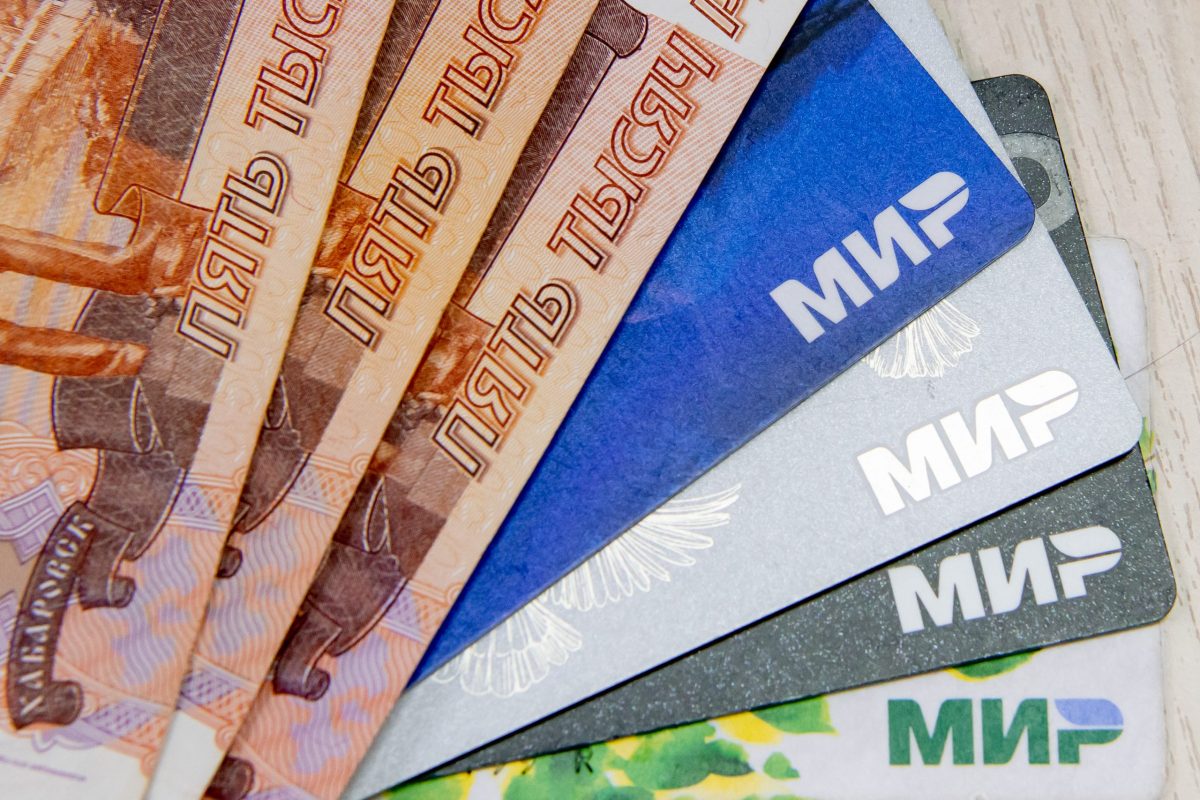
Russian banks have stepped up controls on high-value purchases made through online marketplaces, temporarily blocking transactions that their monitoring systems flag as potentially fraudulent. The measures are designed to halt suspected scams quickly and protect customers’ funds, but they can also create short-term friction for legitimate shoppers and merchants.
Why Russian banks block marketplace payments
When an anti-fraud system registers a high risk score on a transaction, the bank can immediately suspend the payment and inform the client that the operation has been declined. To release the funds, customers usually need to call a bank support line or wait for an automated callback from the lender. During contact, an automated system or a live operator asks the cardholder to confirm whether the payment was made voluntarily; if the customer confirms, the bank lifts the restriction.
Banks say the extra step reduces successful fraud attempts and limits losses for both clients and financial institutions. In parallel, credit organisations have begun distributing short guidance notes to customers explaining common scam techniques and how to protect themselves online. The guidance covers recognising suspicious seller behaviour, verifying payment confirmation messages, and using security features such as two-factor authentication and 3-D Secure.

Industry observers note that fraud on marketplaces has grown in recent years as more purchases move online and fraudsters exploit busy sales periods. By tightening payment controls, banks aim to cut fraud volumes and reinforce consumer confidence in e-commerce platforms. However, the approach shifts some of the burden onto users, who must be prepared to respond quickly when contacted by their bank.
Impact on shoppers and merchants
For shoppers, the policy can mean a delay in completing a purchase or receiving goods while a payment is reviewed. Customers who do not promptly answer a call or who do not have their bank’s contact details to hand may face longer waits. Banks are encouraging clients to keep their contact information up to date and to familiarise themselves with official support numbers to avoid falling for impostor calls.
Merchants and marketplaces may see a rise in chargebacks or abandoned orders if customers choose not to confirm payments. Platforms can mitigate disruption by improving seller verification, flagging high-risk listings for closer review, and providing clearer information at checkout about potential fraud checks. Collaboration between banks and marketplaces will be essential to ensure that fraud prevention does not unduly hinder legitimate commerce.
Practical advice for avoiding blocks
Consumers can reduce the likelihood of having a transaction blocked by buying from verified sellers, checking seller ratings and reviews, and avoiding unusually low-priced offers that look too good to be true. Registering for stronger authentication methods and ensuring the bank has accurate contact details are simple steps that speed up verification if a block occurs. If a payment is halted, customers should contact their bank only through official channels and never share one-time passwords or full card details over the phone.
Ultimately, the banks’ increased scrutiny reflects a broader effort to protect retail payments as online commerce grows. While the measures can add a layer of inconvenience, they also aim to reduce successful fraud operations and strengthen long-term trust between consumers, marketplaces and financial institutions.
Key Takeaways:
- Russian banks block marketplace payments when systems detect high fraud risk, pausing large transactions until customers confirm them.
- Customers must call support or wait for a callback; automated systems or operators verify whether the payment was voluntary before unblocking.
- Banks are sending guidance to clients on how to recognise scam schemes and secure their funds, aiming to reduce fraud and protect e-commerce trust.








