











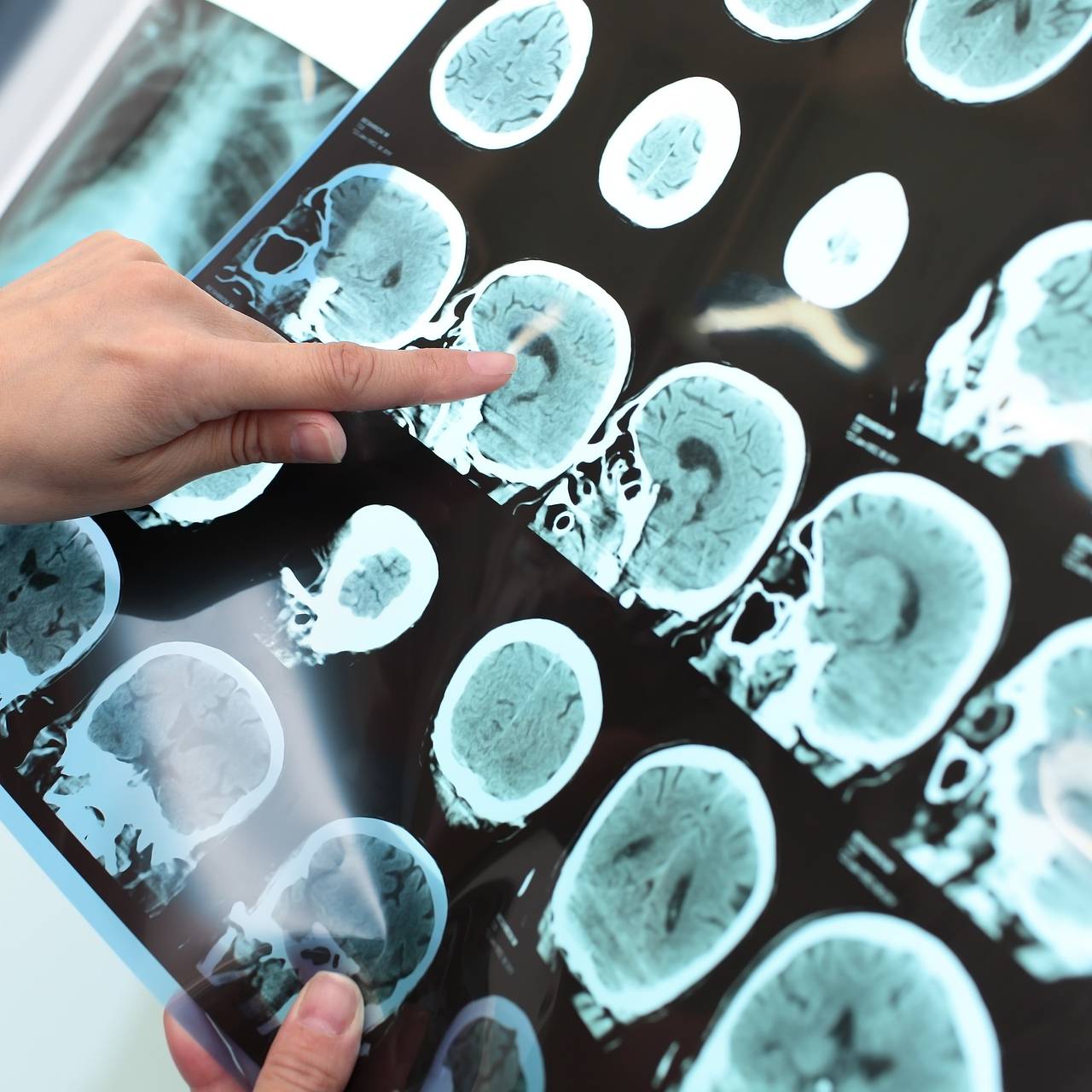
A Russian neurologist has emphasised that brain tumours often present with subtle and atypical symptoms rather than sudden, severe pain. Speaking to Lenta.ru, candidate of medical sciences Dr Dmitry Bulanov said early signs may be behavioural, sensory or hormonal and are frequently mistaken for stress or fatigue.
Key brain tumour signs to watch
According to Dr Bulanov, patients may become more absent-minded, struggle to plan daily tasks and lose interest in usual activities. Irritability or an unusual apathy can also emerge, particularly when the frontal lobes are affected. Such changes are often attributed to tiredness or stress and so can be overlooked.
Some people experience strange, hard-to-describe sensory episodes as the first warning. These may include brief focal events without convulsions: sudden déjà vu, a rising sensation in the stomach, unexpected feelings of fear or joy, unusual smells or tastes, or short periods of impaired attention. These episodes are commonly mislabelled as panic attacks, though their origin can be neurological.

Other less obvious signals Dr Bulanov highlighted are periodic morning headaches that increase with coughing or bending, nausea or vomiting followed by temporary relief, and new problems with vision, hearing or speech. Subtle motor signs may appear too: clumsiness in a hand, small mistakes when writing, changes in gait or balance, unexplained sleepiness and an overall drop in activity.
When a tumour involves the pituitary gland, symptoms can mimic hormonal issues. Patients may notice changes to the menstrual cycle, nipple discharge, reduced libido, unexplained weight gain or loss, and in adolescents altered growth rates. These signs are often treated as endocrine complaints long before imaging is considered.
Dr Bulanov urged people to consult a doctor promptly if they experience a first-ever seizure, rapidly progressing weakness, marked speech or vision problems, or if newly emerged symptoms persist or worsen for more than one to two weeks. Early assessment helps distinguish benign causes from neurological disease and ensures timely investigation, including neurological examination and imaging where indicated.
Public awareness of atypical presentations matters because early detection can influence treatment options and outcomes. Experts note that not every episode of dizziness, mood change or headache indicates a tumour, but patterns that are new, persistent or progressive warrant professional review.
Medical authorities recommend that primary care clinicians consider neurological causes when patients report unusual sensory episodes or clear changes in cognition or behaviour, and refer promptly for specialist assessment if concerning signs are present.
Earlier this week British doctors highlighted another subtle symptom of serious disease linked to sleep: regularly waking on wet sheets. Health professionals advised seeing a doctor if this occurs. Both sets of guidance underline the value of noting persistent, unexplained bodily changes and seeking medical advice rather than dismissing them as routine stress or poor sleep.
Key Takeaways:
- Dr Dmitry Bulanov warns that brain tumours do not always begin with severe pain and can present subtle behavioural and sensory changes.
- Key brain tumour signs include persistent changes in planning, mood, unexplained sensory episodes and morning headaches that worsen on coughing or bending.
- Pituitary involvement may present as hormonal symptoms such as menstrual disruption, nipple discharge or changes in growth and weight.
- Seek urgent medical attention for first-time seizures, rapid weakness, notable speech or vision loss, or symptoms lasting more than one to two weeks.








