











City services in Russia are increasingly relying on connected sensors and local weather stations to spot the conditions that lead to black ice, glaze and dangerous icicles before they form, according to Roman Vlasov, an expert in construction and the “Smart City” concept.
Russian ice detection systems
Temperature and humidity sensors embedded in street infrastructure, combined with pavement surface thermometers, allow municipal teams to monitor microclimates across urban areas. These systems feed short-term forecasts and live data into a central platform that also ingests video from municipal CCTV and reports from residents, providing operators with a consolidated view of icing risk.
Vlasov emphasised that black ice presents the most immediate danger. It can form rapidly when air temperatures hover around freezing and supercooled precipitation falls. To reduce accidents, services measure road-surface temperature and model likely changes over several hours. When the probability of ice formation rises, crews are dispatched in advance to treat selected high-risk sites such as bridges, major intersections, public transport stops, stairways and pedestrian crossings.

Targeted, intelligence-led responses conserve materials and keep essential routes safer. Rather than blanket salt applications, crews focus on sections where sensor readings and forecasts indicate the greatest danger, and they time interventions to when they will be most effective.
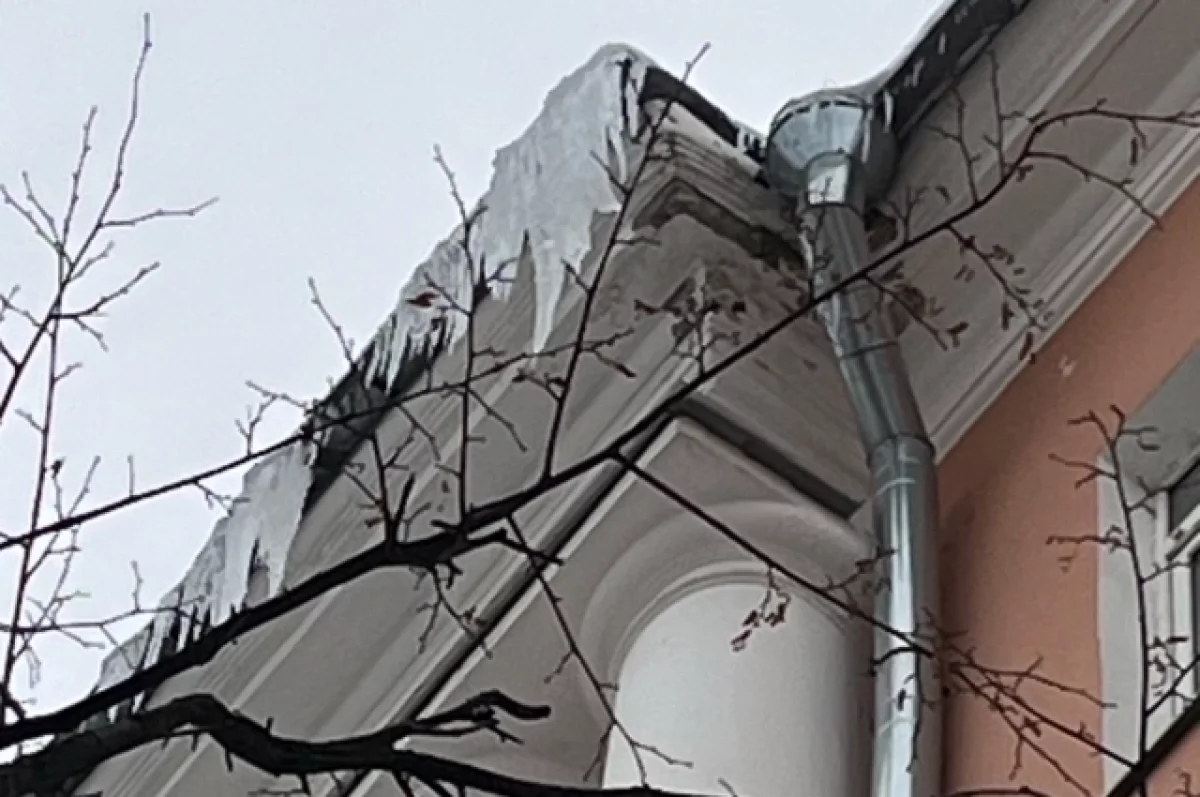
Problems with icicles and roof ice flows are addressed with a combination of monitoring and maintenance. Vlasov noted that icicles tend to recur in the same locations where daytime thawing of a roof is followed by nocturnal re-freezing at cold eaves. Installing temperature sensors in attics and on roof surfaces, conducting routine checks and using thermal imaging surveys help identify these hotspots before hazardous formations appear.
After a warning is raised, municipal services typically erect barriers around the danger zone, dispatch specialist teams to remove ice and make repairs, and address root causes, including blocked gutters and insufficient roof insulation. Regular maintenance of drainage and insulation reduces the cycle of melt and freeze that produces icicles.
For larger buildings, monitoring snow loads has become a routine safety measure. Systems that measure roof deflection and estimate snow mass using actual precipitation and temperature data can issue automated alerts as thresholds approach. These notifications put roof clearing onto the priority list for maintenance crews, mitigating the risk of structural damage or sudden snow slides.
Vlasov’s account points to a broader trend in urban risk management: integrating diverse data streams into actionable alerts. The combination of sensor networks, short-range forecasts and human observation enables city services to prioritise interventions, reduce response times and limit disruption during winter spells.
As cities expand their capability to detect and predict winter hazards, residents benefit from safer streets and clearer priorities for maintenance teams. The approach also promises more efficient use of resources and a reduction in avoidable accidents linked to black ice and falling icicles.
Key Takeaways:
- Russian ice detection systems use temperature and humidity sensors, local meteorological stations, CCTV and citizen reports to identify high-risk areas.
- Authorities prioritise rapid-response treatment of bridges, intersections, transport stops, stairs and pedestrian crossings when forecasts show high icing risk.
- Roof sensors, thermal inspections and snow-load monitoring help prevent dangerous icicles and structural strain before problems escalate.








