











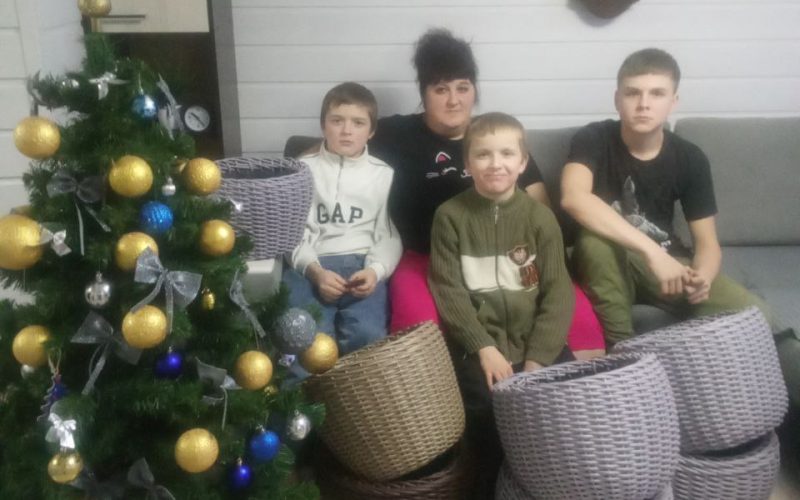
In the Vacha district of Nizhny Novgorod, the Razumkov family have built a steady life from hard work, community ties and seasonal harvests. The parents and their four sons keep a busy household: they collect and sell forest berries and cones in summer, tend vegetable plots and a greenhouse, and repair and improve their home after a past fire. Their income may be modest, but their daily routine is disciplined and purposeful.
Russian village family balance work, home and education
Elena Razumkova, a long-serving postwoman, combines her postal rounds with household duties and managing family projects. Trained as an accountant, she prefers an active role that keeps her moving: her rounds cover more than ten streets as well as visits to local administrations and services. Her employer’s pay is small, she says, yet she remains because she enjoys the social contact and the steady rhythm of the work. Her sons help with deliveries and chores.
Her husband Vladimir, a carpenter, has used his skills to rebuild and expand the old family home and to construct a large bathhouse on the plot. The household heats with firewood, and much of the family’s summer income comes from harvesting cranberries and other berries — they once prepared 200 three-litre jars of lingonberry for sale. They also gather cones for seed sales and run two vegetable plots, storing jars of preserves and compotes in a full cellar.

The three older boys show a mix of interests and practical skills. Matvei, 13, excels at sport and persuasion and is being considered for a cadet college. Ten-year-old twins Dima and Denis are inventive and industrious: Dima weaves patchwork rugs and makes craft pieces and has recently learned rattan weaving, while Denis follows his example. The brothers learned to work in the forest early and can shoulder heavy buckets during the berry season.
The children earn modest sums from their harvests and reinvest some of that money into practical purchases such as mobile phones and craft supplies. Weekends are for family baking and small commercial craft orders; Elena already has winter commissions for woven baskets and hanging planters. Their home is decorated for the holidays with garlands and a traditionally chosen tree from the local forestry office, and Santa visits are part of a close‑knit community celebration.
Despite limited means, the family keeps simple ambitions. The boys rarely ask for extravagant gifts — “they don’t ask for the moon”, as Elena puts it — and instead wish for good exam results, shared experiences like horse rides, and tools for their hobbies. Elena’s central hope is straightforward: that her children stay healthy, receive a good education and grow into decent, happy adults.
The Razumkovs exemplify a rural way of life that mixes traditional labour with small‑scale entrepreneurship and community support. Their story highlights how seasonal work, family cooperation and practical skills sustain many communities across the Russian countryside.
Photo: family archive, Vacha district
Key Takeaways:
- A Russian village family in Vacha relies on seasonal berry picking and home industries to supplement income; the Russian village family works together year-round.
- Mother Elena balances duties as a postwoman with household management while her sons help with mail delivery, crafting and farm work.
- The family modernised their home after a fire, heat with firewood and maintain a greenhouse, storing preserves and selling berries and cones.
- Their New Year celebrations are modest and family-centred — the children “don’t ask for the moon”, preferring simple, practical gifts.








