











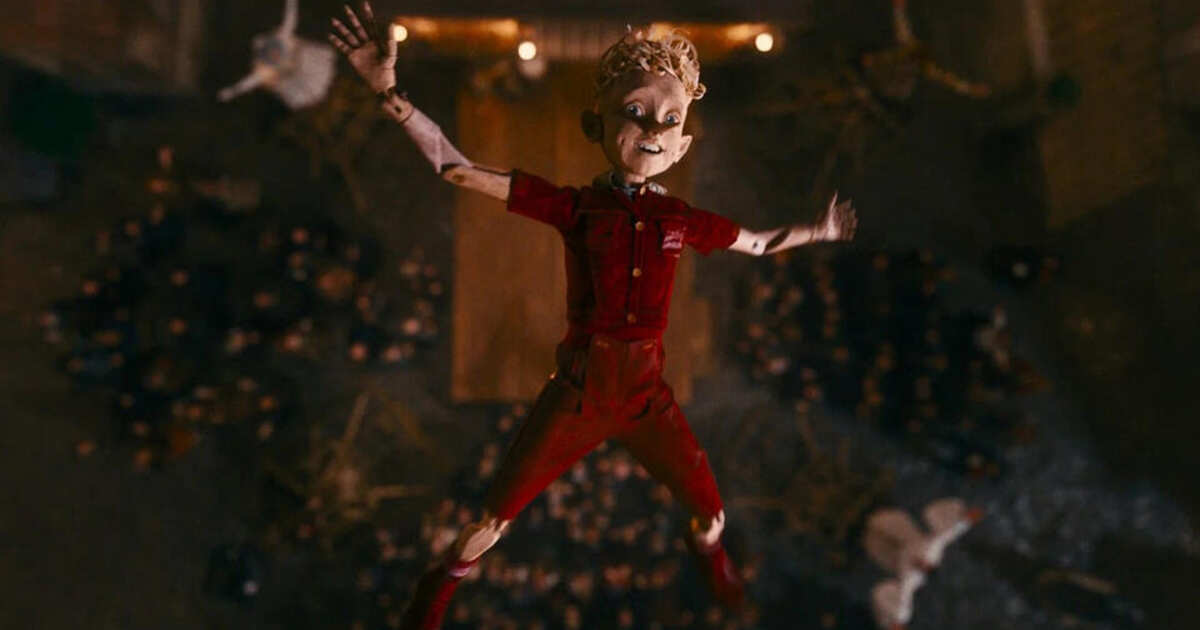
Russia’s latest screen adaptation of Alexei Tolstoy’s beloved tale opened in cinemas nationwide on 1 January, promising a family-centred spectacle of music, colour and puppetry. Backed by the National Media Group and directed by Igor Voloshin, the new Buratino film aims to revive the familiar lines and songs that generations know while introducing fresh visual effects and an international setting.
Buratino film brings Russian fairy tale to life
Voloshin and his creative team insist the central slogan of the production — “He is not a toy — he is alive” — guided their approach. The director describes Buratino as an “animated marionette”, a magical spirit given life at Papa Carlo’s request. That premise shapes a production that blends theatrical costume work and modern effects to make the wooden protagonist feel vividly real.
Audiences who saw early screenings shared enthusiastic reactions with film critic Nikolai Nikulin and reporters from REN TV. One viewer, Dilara, said the film transported her back to childhood, adding that the cinema hummed with viewers singing along. Another, Ksenia, praised the film’s moral core, saying it encouraged perseverance and standing up to injustice.

The cast includes a number of well-known Russian actors. Fedor Bondarchuk appears as Karaбас-Барабас, and described the prosthetic work that altered his jaw and the use of a dramatic beard in other scenes. Victoria Isakova and Alexander Petrov play the conniving duo Alice and Cat Basilio, whose scheming remains central to the story, while Ruzil Minekaev and Anastasia Talyzina lend colour and melancholy to Arlecchino and Malvina respectively.
Costume designer Nadezhda Vasilyeva-Balabanova created outfits that aim to convey each character’s temperament. Details from the production were displayed for the public at the Vorobyovy Gory Moscow metro station, where commuters admired the elaborate beard made for Karaбас-Барабас and the finely stitched accessories for Malvina, including a corset adorned with a cracked porcelain teacup motif and beadwork shaped like tears.
Musical elements remain a core feature. The film retains the songs that many viewers associate with Tolstoy’s adaptation and the famed 1975 screen version, while presenting them alongside new arrangements and carnival sequences. Voloshin moved the setting away from a fictional “country of fools” to a small Italian town, shifting the atmosphere and providing new opportunities for visual design and staging.
Despite nods to the 1975 classic, the filmmakers have taken liberties with structure and tone. The tangle between Buratino and the deceitful tandem of Alice and Basilio remains, but plot developments and locales differ. The production emphasises spectacle and accessibility, seeking to engage both children discovering the tale for the first time and adults familiar with earlier adaptations.
As a cultural release, the film highlights Russia’s continuing investment in family entertainment and heritage properties. The collaboration with a major media group and the use of public displays to promote costume design point to a broader strategy of mixing traditional storytelling with modern marketing and production values.
For viewers seeking a theatrical, music-rich experience in the new year, the Buratino film promises warmth, spectacle and a reaffirmation of familiar lines. Whether audiences will embrace this updated version as warmly as past incarnations will be determined in the weeks following its wide release.
Key Takeaways:
- New Buratino film from Russia premieres nationwide on 1 January, featuring songs and carnival atmosphere.
- Produced with National Media Group, the production mixes star performances with elaborate costumes and special effects.
- Early audiences praised the emotional impact and the film’s message of resilience and joy.
- The Buratino film relocates action to an Italian town and updates characters while keeping beloved music.








