











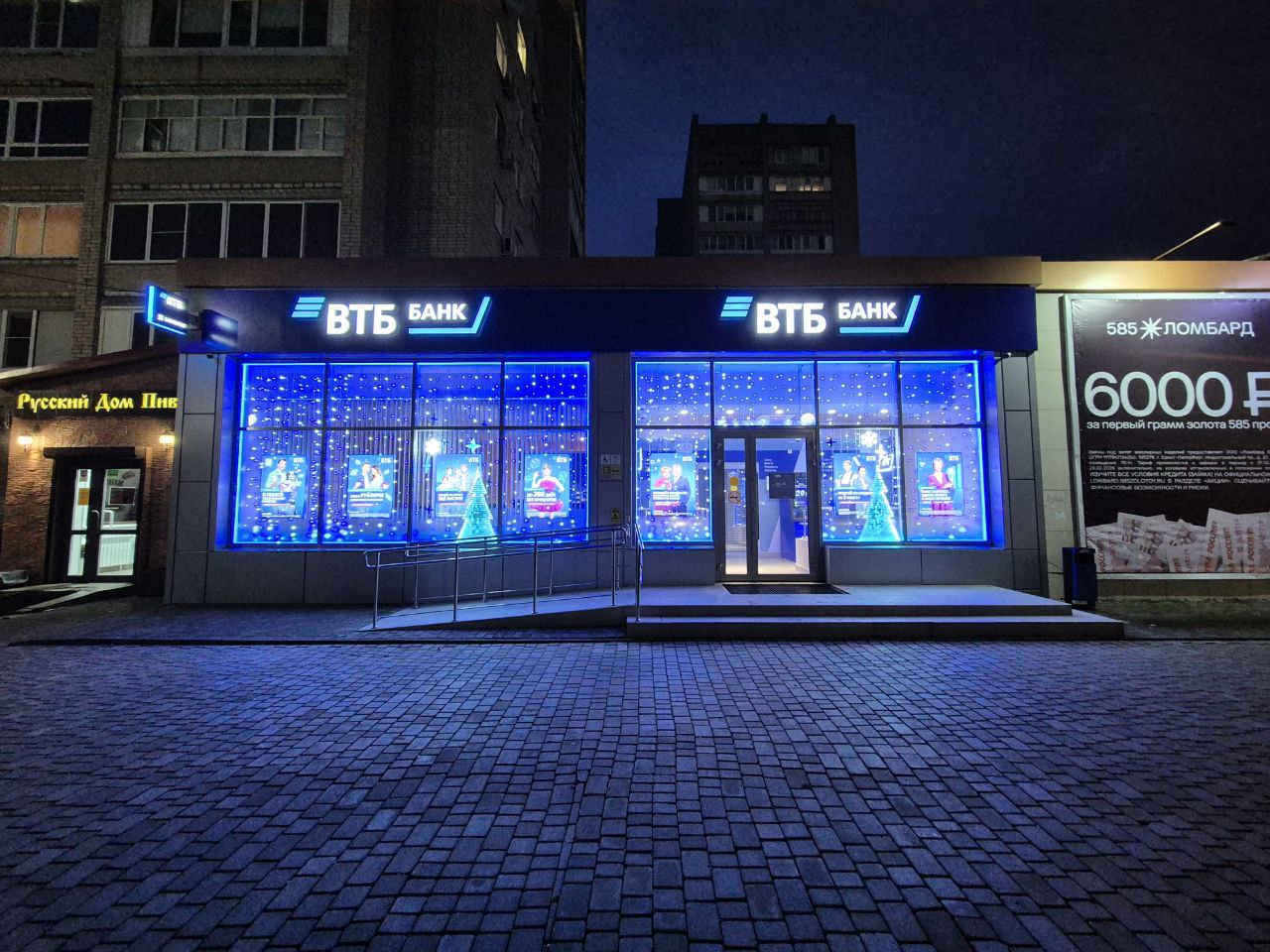
VTB Bank has outlined a series of changes to its loyalty programmes ahead of 2026, when a value-added tax on card operations is set to come into force. The bank says these adjustments will help it maintain competitive cashback offers while responding to regulatory and economic pressures.
VTB cashback 2026
Dmitry Breytenbikher, a member of VTB’s management board, told reporters the bank will focus on three priorities: personalisation, profitability-based rewards and gamification. Each is designed to make loyalty programmes more targeted and sustainable once the tax on card transactions starts to affect margins across the sector.
The first shift is toward greater personalisation. VTB intends to deploy trained algorithms to analyse customers’ transaction histories, spending frequency and typical purchase sizes. Based on this data, the bank will assign tailored cashback categories that better reflect individual habits. The aim is to offer customers rewards that matter to them rather than a one-size-fits-all structure.

Second, VTB will manage loyalty through client profitability. The bank will assess which customers deliver the highest lifetime value by looking at product usage, salary routing, brokerage accounts and lending activity. Customers who generate more income for the bank may qualify for additional cashback categories and privileged offers. According to Breytenbikher, this approach rewards valuable relationships while preserving the economics of the loyalty scheme for the bank.
Third, gamification will play a larger role. Financial institutions have increasingly adopted game mechanics to boost engagement, and VTB expects this trend to strengthen in 2026. The bank plans to combine gamified challenges with partner promotions to encourage spending in selected categories and to offer exclusive deals for loyal customers.
VTB also confirmed it will continue to pay cashback in roubles, broaden eligible categories and expand partner offers. The bank presents these changes as part of a broader strategy to stay ahead of customer expectations and to build long-term loyalty amid changing market conditions.
Industry observers say the introduction of VAT on card transactions will force many banks to rethink their cost structures. Loyalty programmes, which have become a key differentiator in retail banking, will need to balance attractive customer rewards with profitability. Personalisation and tiered rewards are a common response, enabling banks to concentrate benefits on customers who deliver the strongest returns.
Consumer advocates and regulators will likely monitor how banks use transaction data to personalise offers. While tailored rewards can improve customer satisfaction, they raise questions about data protection and transparency. VTB and other lenders will need to clearly communicate how data is used and ensure customers can opt out where appropriate.
For customers, the practical impact should be more relevant rewards but potentially more complexity in programme terms. Those who use several bank products and route income through VTB can expect the most generous cashback packages. Casual customers may see fewer universal benefits but will gain from targeted offers that match their spending patterns.
Breytenbikher said VTB will continue to refine its loyalty ecosystem and strengthen partner cooperation. As banks adapt to tax and regulatory shifts, loyalty programmes are likely to become more strategic, focusing on retention of high-value customers and closer integration with other banking services.
Key Takeaways:
- VTB announces plans to adapt loyalty programmes in 2026 in response to new VAT rules on card transactions, promoting VTB cashback 2026.
- Personalisation will use algorithms to tailor cashback categories to individual spending patterns.
- Rewards will reflect a client’s profitability to the bank, offering enhanced cashback to higher-value customers.
- Gamification and partner offers will expand to increase customer engagement and retention.








