











Hyundai’s Samarth initiative is taking proactive steps to normalise disability inclusion within higher education institutions across India. Through a series of sensitisation workshops and Samarth Talks, the programme brings personal testimony and practical training into college classrooms to foster empathy, understanding and concrete action.
Disability inclusion on campus
At the heart of the effort are sensitisation workshops that address common misconceptions about disability, explore accessibility challenges and suggest straightforward measures colleges can adopt. These sessions are designed for students, faculty and campus administrators and combine interactive activities with evidence-based guidance to encourage inclusive policies and everyday practices.
Complementing the workshops, Samarth Talks feature Para athletes supported by Samarth by Hyundai. These talks place lived experience centre stage: athletes recount their journeys of training, competition and life beyond sport, highlighting the barriers they have faced and the supports that enable their achievements. Bringing these voices directly into classrooms gives students a human perspective that statistics alone cannot provide.

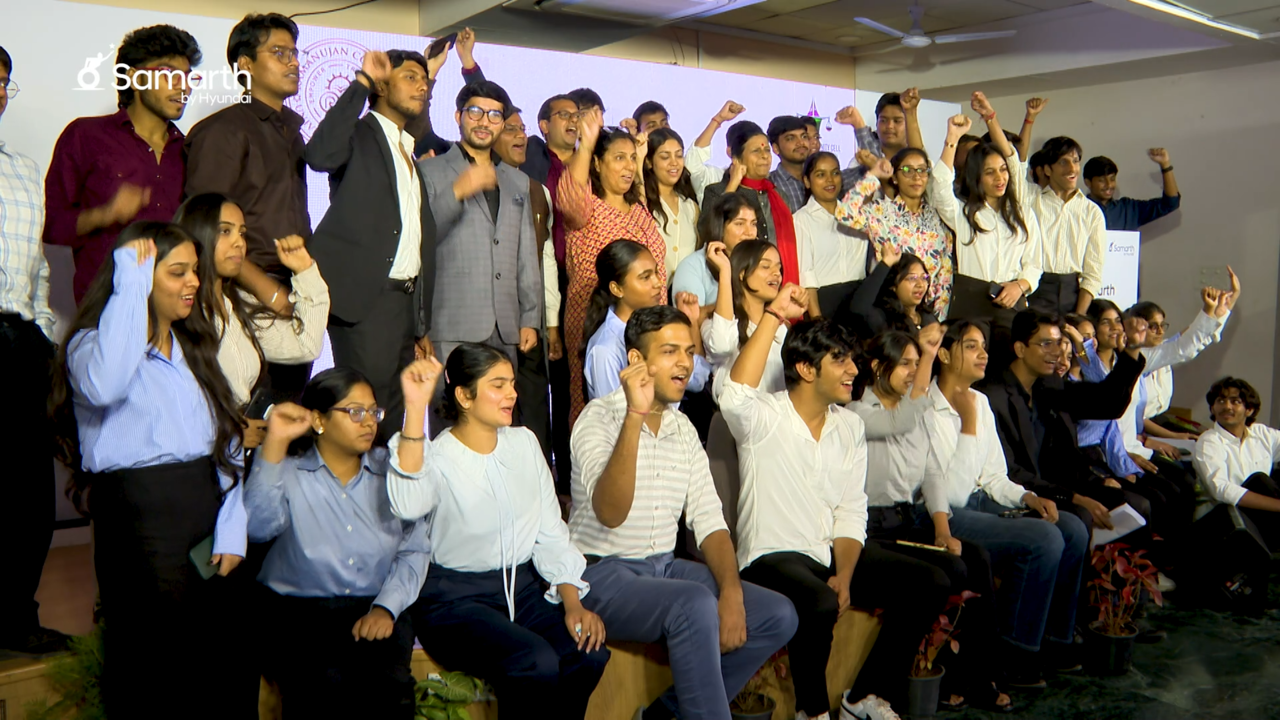
During recent events at Hindu College and Ramanujan College in Delhi, students engaged in frank, often emotional conversations with renowned Para athletes. The discussions ranged from the practicalities of accessible infrastructure to the role of attitude in shaping opportunity. Students reported that hearing personal stories helped them reconsider long-held assumptions about disability and sport and prompted fresh thinking about how inclusion can be woven into campus life.
Organisers say the aim is not simply to raise awareness but to translate that awareness into measurable change. Workshops cover topics such as accessible campus design, inclusive curricula, reasonable accommodations in assessments and supporting peer-led initiatives. Colleges are encouraged to audit existing facilities and adopt incremental improvements that can make a campus more navigable and welcoming for persons with disabilities.
Para athletes involved in Samarth Talks also play an advocacy role beyond the lecture hall. Their visibility and engagement with young people reinforce the message that athletes with disabilities deserve equal access to training, funding and competitive opportunities. Supported by Samarth by Hyundai, these athletes are positioned as role models who can influence public attitudes and institutional priorities.
Education experts consulted by the programme note that attitudes often change fastest when conversations are framed around shared goals and concrete actions. By combining personal testimony with practical guidance, Samarth by Hyundai aims to build a culture in which inclusion is intentional rather than incidental. The hope is that students who experience these sessions will carry that mindset into future workplaces and communities.
The initiative also aligns with broader corporate social responsibility efforts and global moves to improve accessibility and rights for persons with disabilities. While Hyundai provides funding and logistical support, the success of campus interventions ultimately depends on sustained commitment from educational institutions and student bodies.
As the Samarth programme expands to more colleges, organisers plan to monitor its impact through follow-up surveys and campus audits. Early indications suggest higher levels of awareness and willingness to propose concrete changes among participants. Continued engagement, they say, will be essential to ensure that initial enthusiasm leads to lasting improvement in access and opportunity.
This is a sponsored feature.
Key Takeaways:
- Samarth by Hyundai runs sensitisation workshops and Samarth Talks to promote disability inclusion on campus.
- Para athletes share lived experiences at Hindu College and Ramanujan College to challenge perceptions and inspire students.
- The programme aims to create equal opportunities for persons with disabilities through awareness and intentional inclusion.








