











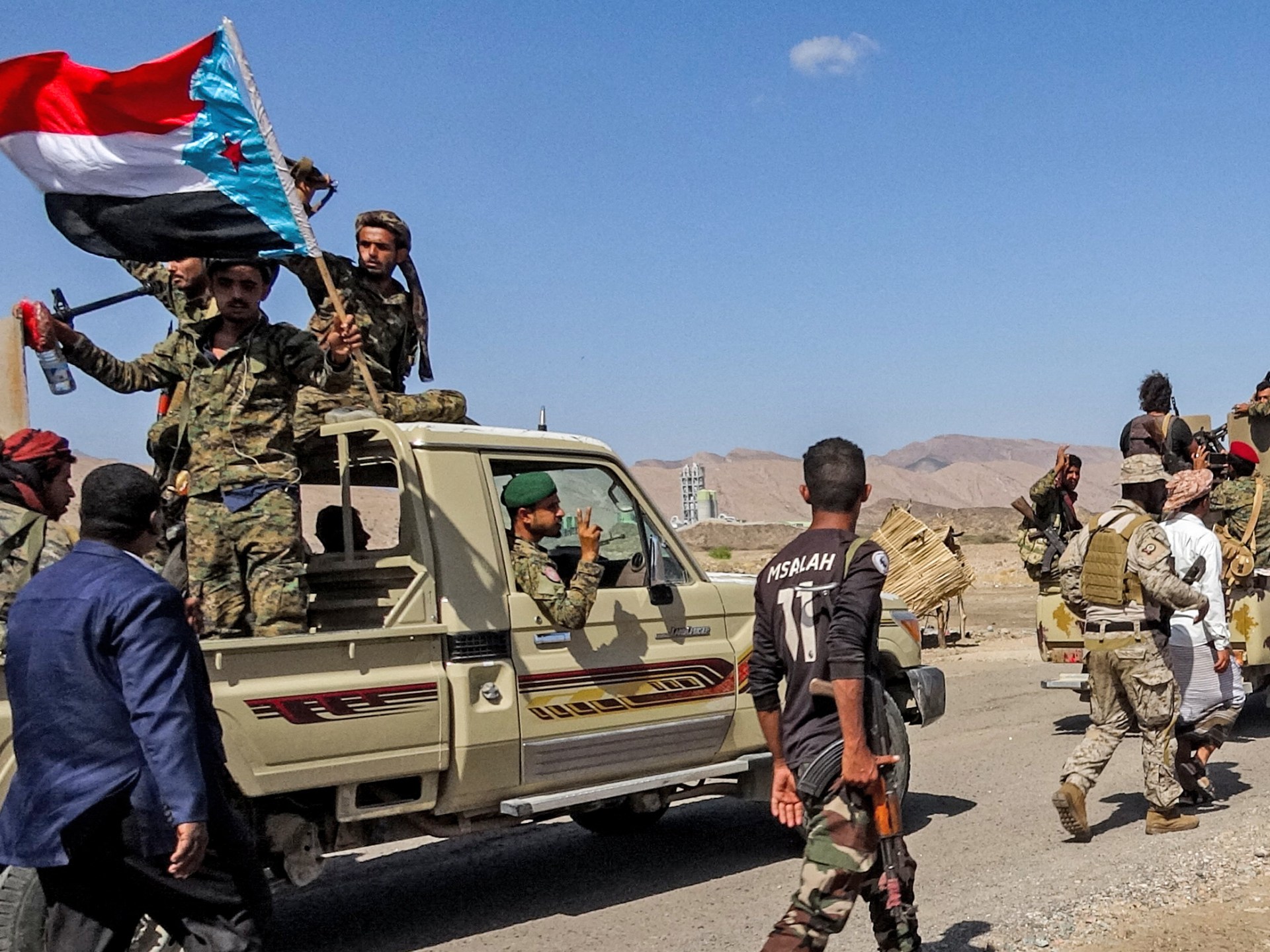
Saudi Arabia has invited all southern Yemeni components to a conference in Riyadh aimed at producing a comprehensive plan for resolving the southern question, officials announced. The invitation, extended at the request of Yemen’s Presidential Leadership Council president Rashad al-Alimi, was welcomed by the Southern Transitional Council as a meaningful opportunity for serious, internationally backed talks.
Saudi Arabia Yemen dialogue and the stakes for the south
In a statement, the Southern Transitional Council described the Saudi-hosted meeting as consistent with its long-standing effort to secure regional and international sponsorship for the southern cause. The council said the conference provided a chance to discuss lasting solutions that reflect the aspirations of the southern population, including political arrangements and guarantees for security and stability.
The Saudi Ministry of Foreign Affairs announced the call for participation on Saturday, asking all southern factions to send delegates to Riyadh. Gulf states reportedly welcomed the initiative, viewing it as a timely forum to de-escalate tensions after a recent spike in political and military activity in southern and eastern governorates.

Observers note that the invitation follows several rounds of Saudi-led and Gulf-backed talks since 2019. The Southern Transitional Council pointed to its engagement in the Riyadh Agreement of 2019, consultations in 2022, and the comprehensive southern dialogue that produced the National Southern Charter in 2023 as evidence of its willingness to negotiate under regional auspices.
However, the council stressed that any effective process must start from a formal acknowledgement of the will of the southern people within a clearly defined timeframe and under full international guarantees. The statement reiterated the council’s insistence that a popular referendum should be the decisive mechanism for any future political proposal.
The political backdrop is complex. In recent days, the south has witnessed rapid developments on the ground. Forces aligned with the Southern Transitional Council withdrew from strategic positions in Mahrah province in the east, even as government-aligned troops made gains in parts of Hadhramaut. Meanwhile, the leader of the Transitional Council, Aidarus al-Zubaidi, announced a two-year transitional period to be followed by a referendum on southern independence and urged the international community to back a comprehensive political process monitored by international observers.
The Yemeni government has pushed back. Mohammed Ahmed Naaman, Yemen’s deputy foreign minister, described Mr Zubaidi’s declaration as a unilateral act that departed from recognised legitimacy, saying it was made without consultation with other Yemeni stakeholders. His remarks to Al Jazeera underline the deep mistrust between the main parties and the hurdles negotiators will face in seeking inclusive solutions.
For Saudi Arabia, the conference represents both an opportunity and a diplomatic test. Riyadh has sought to position itself as a mediator capable of convening rival Yemeni factions and the wider Gulf community. Success will depend on securing buy-in from the Transitional Council, the Yemeni government and influential regional partners, and on designing guarantees that can reassure all parties.
As preparations proceed, attention will focus on the composition of delegations, the conference agenda and whether international observers will be invited to monitor any proposed timetable toward a referendum. The coming weeks are likely to be decisive for whether the Saudi-led effort can convert cautious optimism into a durable political process for the south.
Key Takeaways:
- Saudi Arabia has invited southern Yemeni parties to a Riyadh-hosted conference, signalling regional mediation efforts under the banner of Saudi Arabia Yemen dialogue.
- The Southern Transitional Council welcomed the invitation and reiterated its demand for a time-bound recognition of southern will and a referendum.
- Recent military movements in Mahrah and Hadhramaut add urgency to talks and have drawn support from Gulf states.
- The Yemeni government labelled the STC’s referendum plan unilateral, highlighting challenges ahead for inclusive negotiations.








