











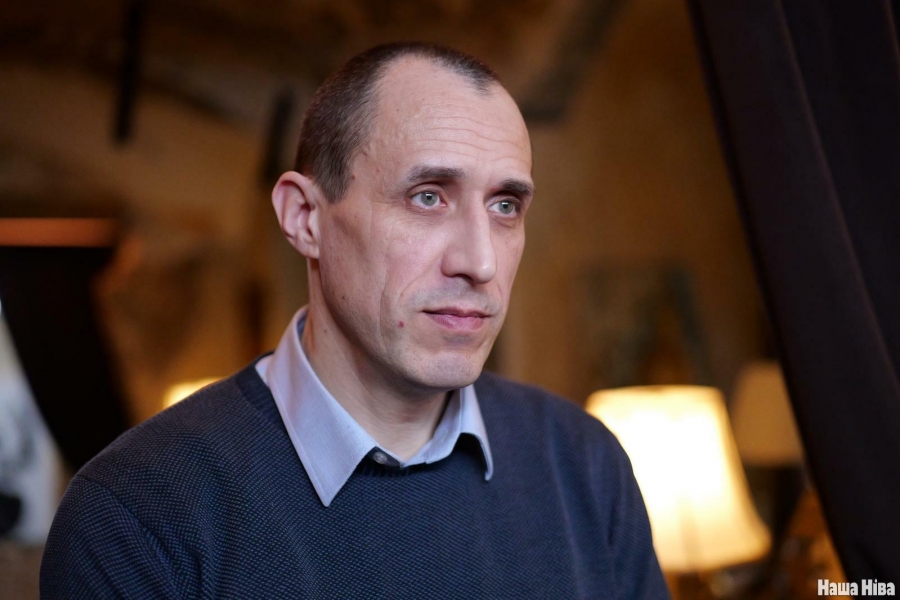
Pavel Sevyarynets has outlined a vision of cooperation among Belarusian opposition leaders, saying that the country would benefit if figures such as Zianon Paznyak, Sviatlana Tsikhanouskaya, Maria Kalesnikava and Pavel Latushka worked together. Speaking about the post‑2020 opposition movement, Sevyarynets framed unity as a strategic necessity if Belarus is to achieve lasting political progress.
Belarus opposition unity
Sevyarynets told reporters that he was not personally acquainted with Sviatlana Tsikhanouskaya before 2020, but that her decision to stand in place of her detained husband revealed remarkable inner strength. He said her evolution as a leader and her Belarus‑centred rhetoric showed she had earned the trust of many citizens. “Belarusians elected her,” he said, noting the symbolic significance of her candidacy.
On Zianon Paznyak, Sevyarynets offered a robust defence of his role in national politics. He described Paznyak as a strategic pole, a figure who speaks to national interests even when his views provoke controversy. Sevyarynets argued that Paznyak’s repeated warnings about a potential conflict with Russia were dismissed at the time, yet recent events have given credence to those warnings.

“Paznyak is not about tactics but about strategy,” Sevyarynets said. He acknowledged that Paznyak’s methods and rhetoric can be confrontational, but insisted that those traits stem from a long personal commitment to Belarus. Sevyarynets accepted past criticism Paznyak directed at him, saying those rebukes helped him reassess earlier tactical choices.
Sevyarynets also praised acts of personal courage that he believes reflect a deeper national character. He referred to Mikalai Statkevich’s refusal to go into exile and his decision to force open the bus door to remain in the country as an example of bravery that inspires others. He linked that courage to the actions of Maria Kalesnikava, who famously tore up her passport and returned to detention rather than leave Belarus.
Drawing on cultural references, Sevyarynets compared contemporary acts of resistance to the heroes in the work of Uladzimir Karatkevich. He suggested that personal honour and courage are recurring traits in Belarusian history and that modern leaders who display such qualities can become focal points for civic mobilisation.
The central message of Sevyarynets’ remarks was a call for coordination. He expressed a personal hope that Paznyak, Tsikhanouskaya, Kalesnikava and Latushka would each play their part and coordinate their efforts to achieve tangible gains for Belarus. For Sevyarynets, unity does not mean uniformity. Rather, it means harnessing different strengths for a shared objective.
Political analysts say such appeals for unity reflect a wider recognition within the Belarusian opposition that fragmented strategy can limit impact. Sevyarynets’ comments are likely to renew discussion among opposition circles about how best to combine moral authority, international visibility and grassroots organisation into a coherent political platform.
As Belarus faces ongoing geopolitical pressures, Sevyarynets argued that a coordinated opposition could better defend national interests and present a credible alternative to the current trajectory. His call for Belarus opposition unity is a reminder that strategy and courage remain central to the country’s political debate.
Key Takeaways:
- Pavel Sevyarynets calls for coordinated action among Belarusian opposition figures to secure the country’s future.
- He praises Zianon Paznyak as a strategic national figure and credits his warnings about conflict with Russia.
- Sevyarynets highlights the courage of leaders such as Sviatlana Tsikhanouskaya, Maria Kalesnikava and Mikalai Statkevich.
- The article underscores the need for Belarus opposition unity to translate individual bravery into political gains.








