











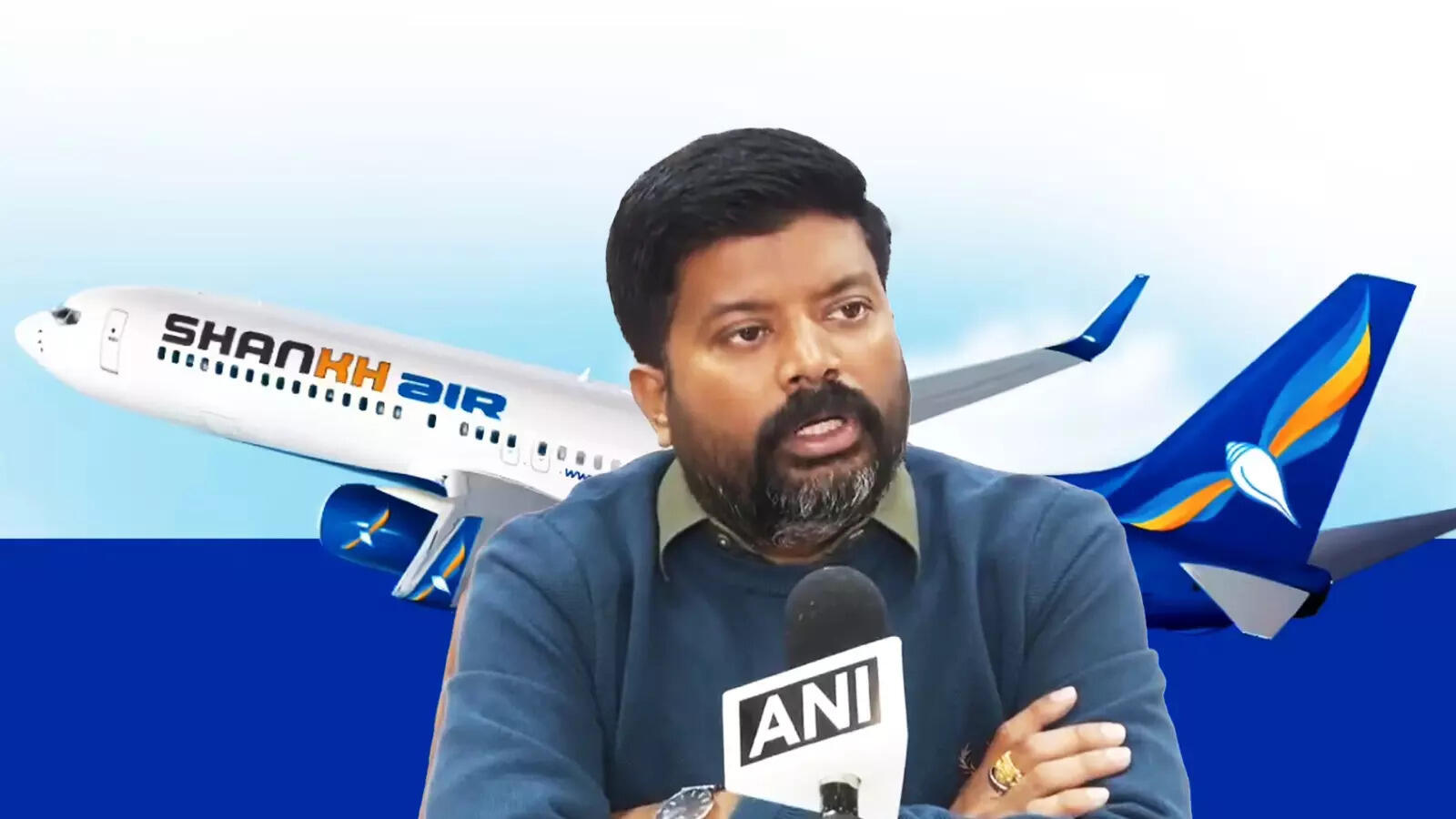
Shankh Air is preparing to commence operations in the first quarter of 2026, with flights expected to begin around March, the carrier’s chairman Shravan Kumar Vishwakarma said. The new airline has positioned itself to enhance regional and interstate connectivity in India and intends to appeal to middle-class travellers by offering more affordable and routine air travel options.
Shankh Air India launch timetable and fleet plans
The airline will start with an initial fleet of three Airbus A320 aircraft currently based in Bulgaria. Two additional A320s are likely to be inducted by July or August, taking the fleet to five jets in the airline’s first year. Vishwakarma said fleet expansion will be vital to achieving operational sustainability and meeting passenger demand on regional routes.
Shankh Air is one of three new carriers to receive a no-objection certificate from the Union Aviation Ministry, alongside Al Hind Air and FlyExpress. That clearance clears the way for regulatory approvals and slot allocation, though the carrier will still need to meet final certification requirements before commercial services can commence.

Targeting the domestic market, the airline plans to focus on enhancing connectivity between smaller cities and established hubs. Management says this approach will help unlock new travel demand among middle-class travellers who currently rely on road or rail alternatives for many intercity journeys. Affordable pricing, frequent schedules and a focus on customer convenience are central to the carrier’s strategy.
Looking beyond domestic routes, Shankh Air has set its sights on international services by 2028 or 2029. Executives note that achieving that milestone will depend on steady fleet growth, securing bilateral traffic rights, and building necessary ground-handling and maintenance partnerships. Starting with narrow-body A320s gives the airline flexibility to operate both short-haul international sectors and dense domestic routes.
Fleet sourcing appears to be pragmatic and cost-conscious. The initial aircraft are being ferried from Bulgaria, a sign that the carrier is prioritising rapid induction to meet its launch timetable. Bringing aircraft into an Indian register requires meticulous checks and regulatory compliance, and two additional A320s scheduled for mid-year induction will be crucial in expanding network reach.
Industry analysts say the entry of new carriers can be positive for consumers and the broader aviation market, as increased competition often leads to lower fares and better connectivity. However, they warn that new entrants must manage fuel costs, leasing or acquisition expenses, pilot and crew hiring, and airport infrastructure constraints to remain viable.
Shankh Air’s focus on regional connectivity aligns with national policy priorities aimed at linking smaller cities to major economic centres. If the airline can sustain disciplined growth and maintain load factors, it could help stimulate local economies by improving business travel links and promoting tourism in underserved routes.
As the launch approaches, the airline will need to finalise route permissions, secure ground services and obtain its air operator certificate. For passengers and industry observers, the coming months will be telling: successful induction of the initial fleet and early schedule announcements will indicate whether Shankh Air can translate its ambitions into a durable operation.
Key Takeaways:
- Shankh Air India launch expected in March 2026 with an initial fleet of three Airbus A320s.
- Airline received a no-objection certificate and aims to expand fleet to five aircraft by mid-2026 to ensure sustainability.
- Management targets affordable regional and interstate connectivity for middle-class travellers and plans international services by 2028–29.
- Fleet sourced from Bulgaria; expansion and regulatory approvals will shape the carrier’s early success.








