











Key Takeaways:
- Shankh Airlines launch set for January with an initial three-aircraft fleet serving Lucknow, Delhi and Mumbai.
- Early focus on Uttar Pradesh connectivity and affordable fares aimed at middle-class and first-time flyers.
- Fleet expansion planned over coming months; international services targeted for 2028–29.
- Founder Shravan Kumar Vishwakarma cites strong parent backing and job creation as priorities.

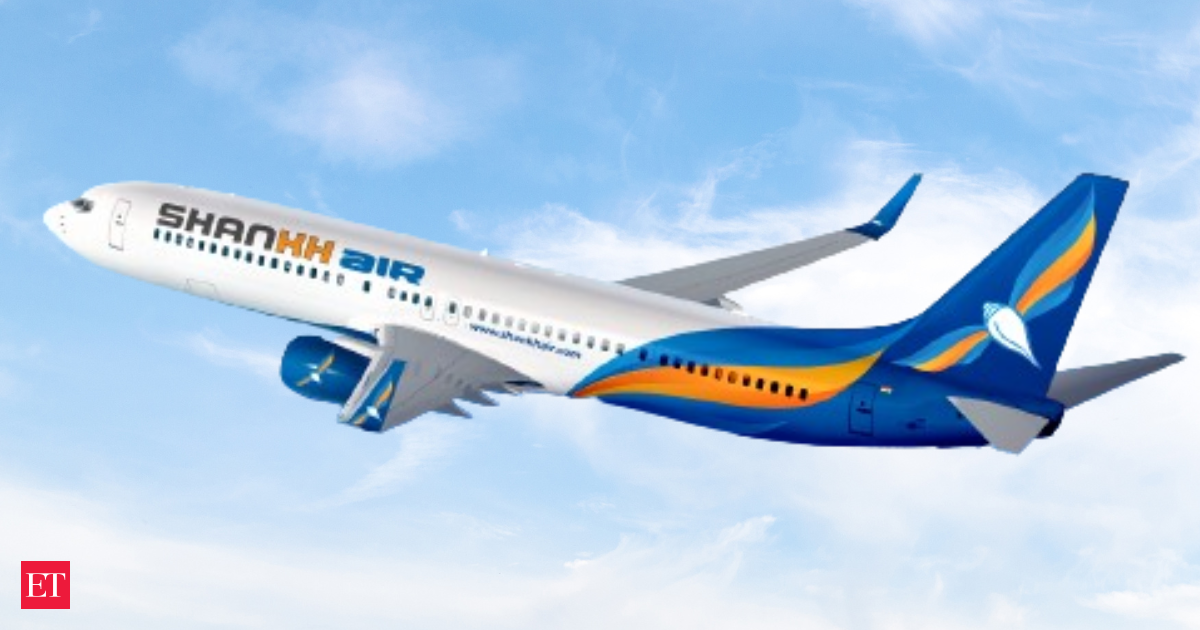
Shankh Airlines is expected to begin flight operations in the first half of January, starting with an initial fleet of three Airbus aircraft and routes linking Lucknow with Delhi, Mumbai and other major cities, the carrier’s chairman Shravan Kumar Vishwakarma told reporters on Tuesday. The airline has said it will prioritise connectivity within Uttar Pradesh during its early phase and add two more aircraft within about six weeks.
Shankh Airlines launch and early routes
The new carrier plans to serve metropolitan centres and regional destinations alike, positioning itself as an affordable option for middle‑class passengers and first‑time flyers. Vishwakarma said the airline’s objective is to normalise flying as a common form of transport rather than a luxury, and that fares will not be raised during festival seasons though business‑class pricing will be higher than some competitors.
Initially deployed aircraft are leased and financed through external companies, according to the chairman, and the airline enjoys full backing from its parent trading group. That financial support, he said, means there are no immediate funding constraints as the carrier scales its network.
Vishwakarma outlined a phased growth plan. With three aircraft at launch and two more joining within one and a half months, the carrier expects to steadily expand services across India. International services are being planned for 2028 or 2029, marking a multi‑year roadmap from regional connectivity to cross‑border operations.
Business model, funding and workforce
Shankh Airlines’ chairman framed aviation as a sector with robust cash flow dynamics and limited exposure to credit reliance compared with some other industries. The company says its aircraft are secured through lease and finance agreements, while its parent company supports broader funding needs.
The airline also emphasised employment creation. As operations grow, it expects to generate opportunities for youth across operations, ground services and administration. This focus aligns with wider government aims to boost regional connectivity and create jobs in the aviation supply chain.
Founder’s background and outlook
Vishwakarma, 35, traced the airline’s origins to an idea four years ago. Coming from a modest background and with limited formal education, he said he began his working life driving autos and trying small businesses before entering the cement trade in 2014. Subsequent ventures in steel, mining and transport have helped build a logistics platform now supporting more than 400 trucks.
He described Shankh as both the name of the trading firm and a culturally resonant brand. The chairman used his personal story to urge young people to pursue ambitious goals and to stop worrying about others’ opinions.
As India’s aviation market continues to expand, new entrants such as Shankh Airlines could intensify competition on fare and route density, particularly on regional links. For passengers in Uttar Pradesh and surrounding regions, the carrier’s early focus on affordability and connectivity may widen choices and reduce travel friction, while its medium‑term international plans signal a longer horizon for growth.
For now, travellers can expect Shankh Airlines to roll out services from January, with a measured expansion of fleet and destinations over the coming months and years.








