











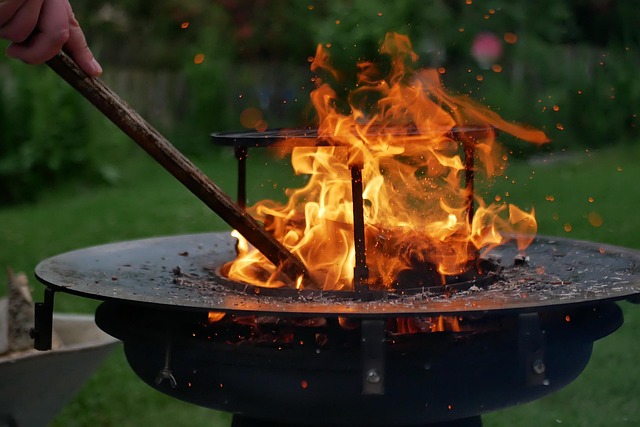
Eleven people were treated for burn injuries at Hospital Universitário Evangélico Mackenzie (HUEM) in Curitiba over the New Year period after a series of accidents involving barbecue fuel and fireworks. The hospital, a regional reference centre for burn care, said six of the cases followed explosions caused by the use of liquid alcohol to ignite grills, while the remaining five were injured handling fireworks.
Curitiba fireworks and barbecue burns
HUEM reported that six patients remain hospitalised for further care. Of those, three are in a serious condition and are receiving intensive treatment. The other five patients seen by the hospital suffered lighter injuries and were discharged after initial treatment.
Medical teams stressed that many of the incidents could have been avoided. The hospital highlighted the extreme danger of pouring or spraying liquid alcohol onto hot coals or flames, a practice commonly used when lighting barbecues but one that can provoke sudden, high-intensity flare-ups and explosive ignition.

Drilling into the pattern of accidents, clinicians said fireworks incidents tended to involve people attempting to light or reposition devices, handling them without protective measures, or using consumer-grade pyrotechnics in crowded or unsuitable settings. They warned against allowing inexperienced individuals to handle fireworks and urged adherence to local regulations and manufacturer instructions.
“These cases underline how a simple lapse in caution can lead to serious, life-changing injuries,” a HUEM spokesperson said. “Use of appropriate firelighters for barbecues and leaving fireworks to trained operators would prevent many of these admissions.”
Authorities and health professionals renewed public safety guidance as municipalities prepare for celebratory events. Recommended measures include using chimney starters or approved barbecue lighters instead of liquid fuels; keeping a safe distance when lighting any flame; never refuelling a hot barbecue; and ensuring that fireworks are set off in open, clear areas with adequate supervision.
HUEM also urged households to keep a basic burn first-aid kit and to seek immediate medical attention for any large or deep burns, burns that affect breathing or the face, hands, feet, genitalia or joints, or when a patient shows signs of shock. Early assessment and treatment in specialised centres can reduce the risk of infection and long-term disability.
The incidents in Curitiba serve as a reminder that holiday celebrations carry avoidable risks. Emergency departments and burn units across Brazil often see a spike in admissions around major holidays, prompting renewed calls for public education campaigns and stricter enforcement of fireworks safety rules.
HUEM said it would continue to monitor admissions and work with local authorities on prevention messaging in the coming weeks.
Key Takeaways:
- Eleven burn victims treated in Curitiba over New Year: six from barbecue fuel explosions and five from fireworks.
- Six patients remain hospitalised, three in serious condition; five received minor treatment and were discharged.
- Curitiba fireworks and barbecue burns highlight risks of using liquid alcohol to light grills and improper handling of fireworks.
- Hospital Universitário Evangélico Mackenzie urges use of proper firelighters and experienced handlers for pyrotechnics.








