











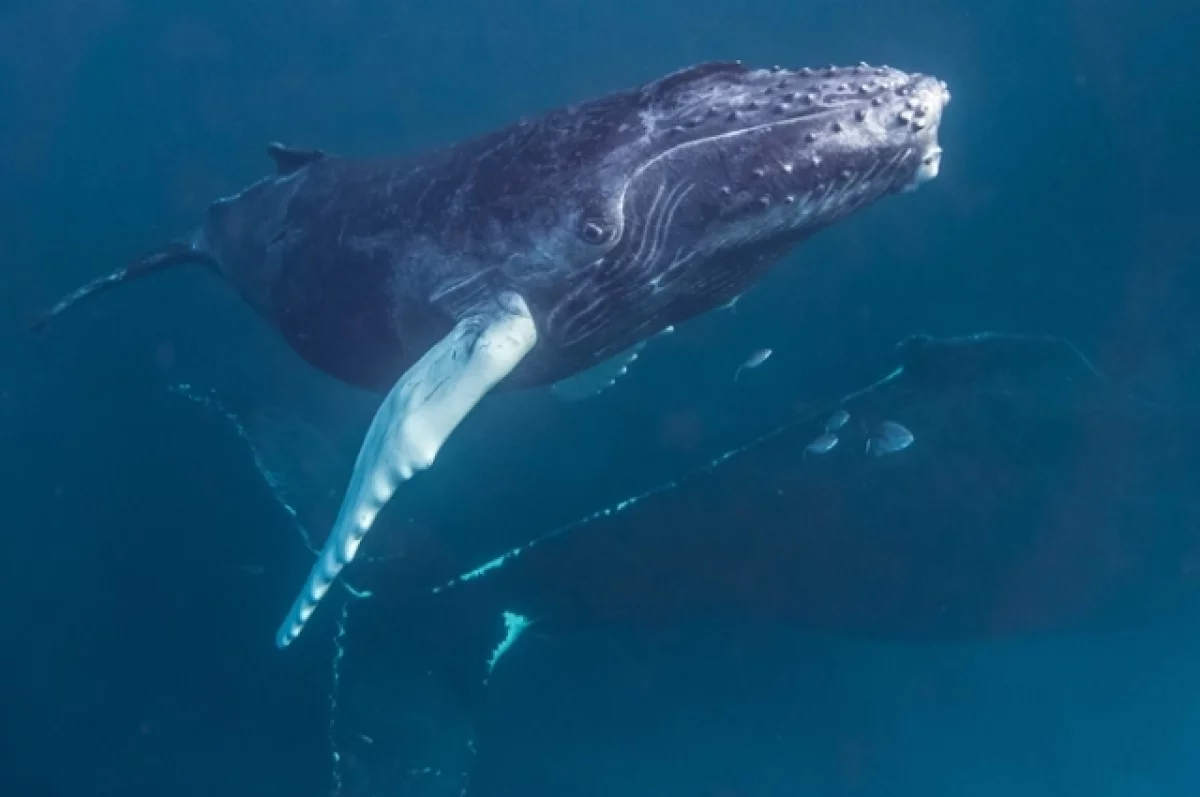
Tourism operators in Russia’s Murmansk region are tightening controls on whale-watching and snorkelling activities as visitor interest in Arctic wildlife grows. Regional authorities and industry representatives have begun drafting the country’s first formal rules for observing whales, seals and seabirds in the White and Barents seas. The move seeks to balance public demand with protection of a vulnerable marine environment.
Snorkelling with whales in Murmansk and safety rules
Snorkelling with whales in Murmansk has emerged as a niche yet rapidly expanding offering. Over two seasons roughly 300 people have taken part in escorted immersions in the cold Barents Sea, according to tour operators. Experiences vary sharply; some guests report fear while others describe profound excitement, and a notable share of participants choose to return.
Organisers say safety is central. A maximum of four guests are permitted per instructor in the water, and each participant must complete a trial immersion before the main dive. The test allows guides to assess both physical readiness and psychological calm, which specialists identify as the most important factor for safe interaction with large marine mammals. Instructors stay close to swimmers throughout the activity.

Historically, operators observed a simple rule of thumb: keep a distance roughly equal to the animal’s body length. But the draft document under development aims to codify procedures, including a proposed minimum separation of 50 metres. That contrasts with international practice, where a distance of around 300 metres is often recommended. The regional proposal takes into account the behaviour of so-called contact whales, which may approach people of their own volition.
Experts on marine mammals stress that genuine concern for wildlife means minimal interference. The rules being crafted by a working group of tourism professionals, scientists and regional officials are not intended to ban interactions. Instead, the stated purpose is to standardise operations so they remain safe for both people and animals, and to reduce the risk of harm to the fragile Arctic ecosystem.
Authorities in Murmansk have warned that companies and individual guides who ignore established requirements will be placed on a regional blacklist. The blacklist mechanism is designed to encourage self-regulation within the tourism community and to raise professional standards among operators offering high-risk experiences such as snorkelling with whales.
Local universities and research institutes are contributing scientific guidance. Murmansk Arctic State University representatives say the rules should mitigate disturbance to migratory patterns and breeding behaviours, while allowing controlled, educational encounters that support eco-tourism and local economies.
Tour operators emphasise preparation and incremental exposure. Participants wear drysuits or wetsuits and are accompanied by constant supervision from craft and dive teams. The industry argues these safeguards, together with clear operational limits, can satisfy both conservation goals and the rising public appetite for Arctic wildlife experiences.
As policymakers finalise the document, the region faces the dual challenge of fostering a distinctive tourism niche and preserving a sensitive environment. The proposed measures reflect a precautionary approach that aims to keep human activity compatible with the long-term health of marine populations while enabling responsible tourism in Russia’s Arctic.
Key Takeaways:
- Growing interest in snorkelling with whales in Murmansk is driving new safety and conservation rules.
- Authorities propose a 50-metre guideline while recognising contact whales that may approach people.
- Operators limit groups to four guests per instructor and require trial immersions to assess readiness.
- New rules aim to protect the fragile Arctic ecosystem and introduce blacklists for non-compliant guides.








