











Key Takeaways:
- Street dog attacks in Kannur have increased, with eight people bitten near Puthiya Theru and others injured in neighbouring areas.
- Victims — including children and elderly residents — sought treatment at Kannur Government Medical College and the district hospital.
- Authorities and residents report multiple dogs involved; one dog was found dead and locals suspect pack behaviour.
- Calls are growing for vaccination drives, sterilisation programmes and improved community awareness to prevent further incidents.

Street Dog Attacks Kannur Rise as Eight Injured Near Puthiya Theru
Kannur district authorities and residents are grappling with a surge of street dog attacks after eight people were bitten in and around Puthiya Theru yesterday evening. The victims, who include children and adults, received treatment at Kannur Government Medical College and the district hospital. Local health workers have raised concerns about public safety and the need for swift control measures.
street dog attacks Kannur escalate
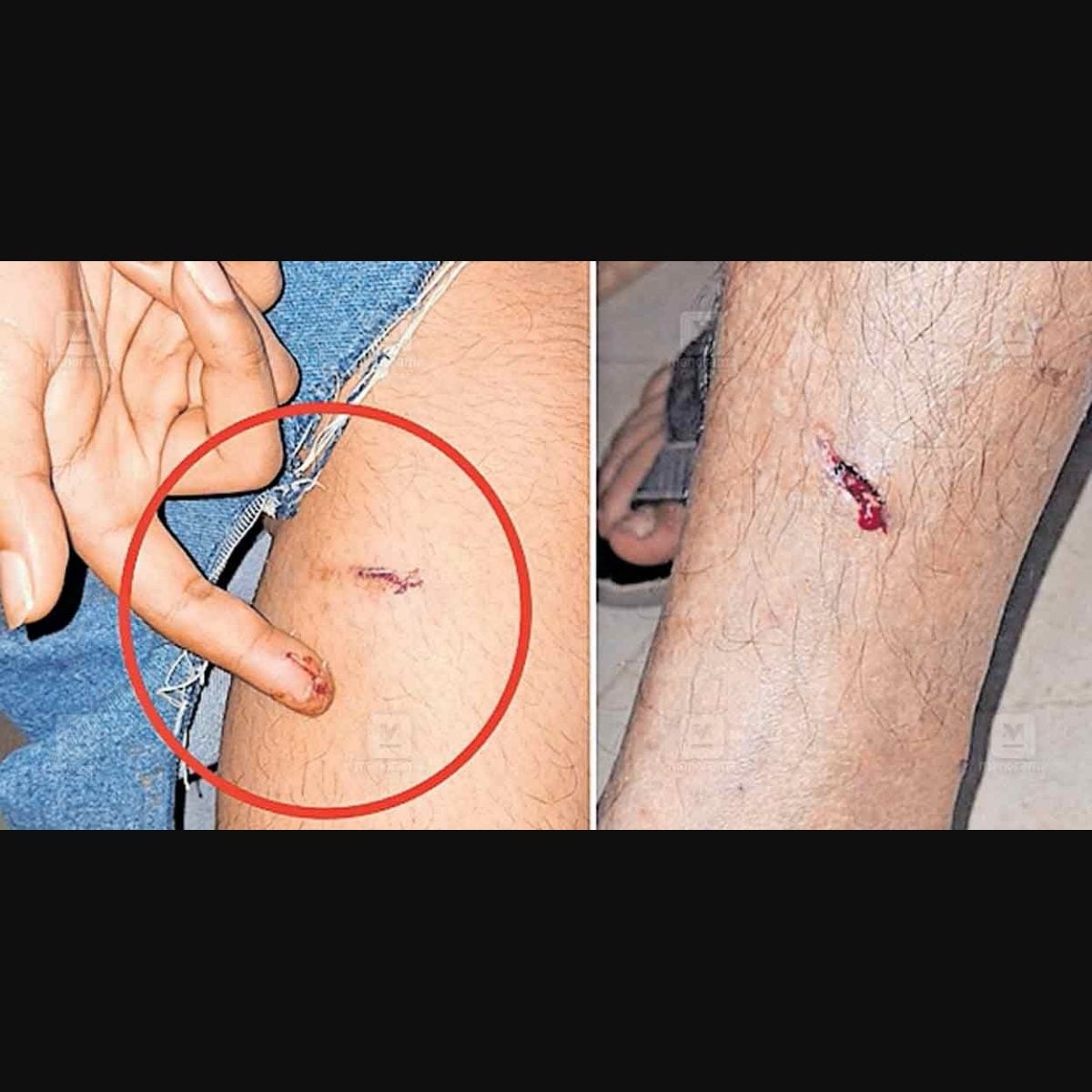
According to local reports, the first incident occurred around 6pm near the temple mandapam at Thirudataparra. Those injured include C. Been (49), Choran Pavanen (58), a five-year-old child identified as Anaigh, Sajin and Devapriya (19), among others. Two of the injured sustained serious wounds to their legs and remain under observation. Anaigh and Been were taken to Kannur Government Medical College, while the other victims sought care at the district hospital.
Eye-witnesses said the attack began when a dog assaulted Anaigh in the yard of the family home. Sajin and his daughter Devapriya were bitten while walking along the roadside; Devapriya reportedly intervened to protect her mother and was bitten on her fingers during the struggle. The dog’s behaviour was described as aggressive and sustained, causing significant injuries before bystanders could intervene.
As news of repeated attacks spread, residents were left alarmed and afraid to move freely through local streets. Later in the night, one dog was found dead. Locals suggested that more than one animal may have taken part in the incidents, indicating possible pack behaviour rather than an isolated animal.
Wider district incidents and health response
Separately, an elderly man in Muzzappilangad was reportedly attacked while walking to a temple. Sixty-three-year-old Rafeeq suffered bites to his legs, thigh and fingers and sought treatment at the district hospital. Health officials are monitoring all victims for possible rabies exposure and administering post-exposure prophylaxis where indicated.
Medical staff have advised anyone bitten by a stray dog to wash wounds immediately with soap and water and seek urgent medical attention for wound care and rabies vaccination. The district health office has emphasised the importance of timely treatment to reduce the risk of infection.
Calls for coordinated action
Community leaders and residents are urging local authorities to step up measures to control the stray dog population and reduce the risk of further attacks. Recommended actions include intensified vaccination and sterilisation drives, humane capture of aggressive animals, public awareness campaigns on avoiding confrontations with strays, and coordination between municipal bodies and veterinary services.
Officials have not yet released a detailed plan, but municipal and health departments are expected to convene to assess the situation and outline immediate and long-term responses. Residents continue to report heightened fear in affected neighbourhoods, and families of the injured are calling for swift, visible action to restore safety.
The recent events underline the broader challenge faced by many urban and semi-urban areas where stray dog populations can present serious public health and safety risks if not managed through sustained, humane and science-based programmes.








