











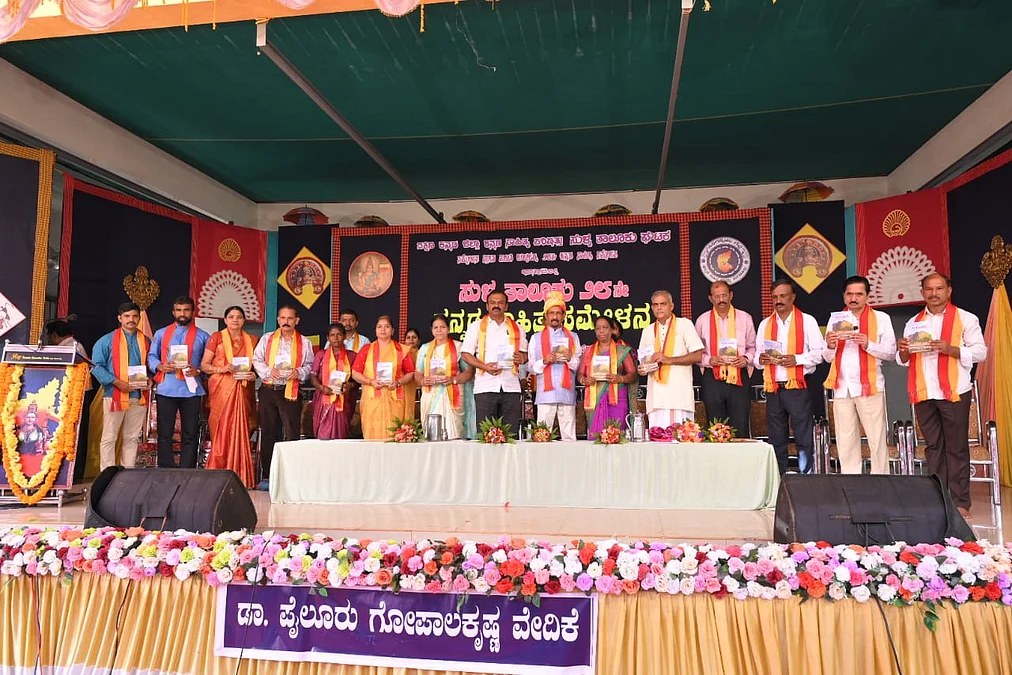
Tejakumar Baddadka, president of the Sulya Taluk Kannada Sahitya Sammelana and a noted writer, has urged state governments to establish formal academies for Havyaka Kannada and other marginalised languages to safeguard their cultural heritage.
Language preservation in India
Speaking at a meeting of the Sulya Taluk Kannada Sahitya Sammelana, Mr Baddadka said that the survival of local cultures is closely tied to the survival of their languages. He argued that setting up dedicated academies, first for prominent dialects such as Havyaka Kannada and then progressively for other neglected and tribal languages, would help retain the literary and oral traditions these tongues carry.
“When a language disappears, the culture it expresses goes with it,” he said, warning that many regional languages are already in decline. Mr Baddadka stressed that recognising and institutionalising language preservation would both validate local identities and offer practical support to communities attempting to sustain their linguistic practices.

He pointed to the richness of the local linguistic environment around Sulya as a driver of literary achievement. The variety of spoken forms in the area, he said, has historically contributed to the distinctiveness and vitality of the region’s literature. Yet, that linguistic diversity is now under pressure from social and economic change, migration and the dominance of major languages in education and media.
Experts quoted at the event suggested the scale of the problem is substantial. Many languages worldwide and within India have been lost over the past century, and estimates indicate that several hundred languages could be at risk of extinction within a few decades. Mr Baddadka warned that complacency could lead to further irreversible losses.
He called on state governments to act by creating academies modelled on those that support major languages. Such institutions would document endangered tongues, support teaching materials, promote literature in those languages and provide grants for cultural projects. Mr Baddadka said a phased approach would be both practical and cost-effective, allowing governments to prioritise languages most at risk while building capacity over time.
Drawing attention to the efforts of local language innovators, Mr Baddadka praised those who have successfully codified and popularised new or marginal forms of speech. He noted that while new languages seldom emerge, the dedication of community leaders and writers can make a significant difference in giving a language public standing and a written record.
The call for academies reflects growing concern among cultural activists and linguists about the long-term implications of language loss. Beyond literature, language disappearance affects education, customary knowledge, rituals and the sense of belonging for communities. Mr Baddadka argued that government-supported academies would help secure these intangible assets for future generations.
Local organisers said the Sammelana will continue to press for practical steps, including surveys of regional languages, training for community teachers and partnerships with universities. They hope that such measures will be taken up by state authorities to ensure that languages and the cultures they carry do not vanish silently.
Key Takeaways:
- Local writer and literary leader Tejakumar Baddadka calls for academies to protect Havyaka Kannada and other neglected languages.
- He warned that regional tongues are fading and urged state governments to set up language academies step by step.
- Experts estimate hundreds of languages could vanish within decades, making language preservation in India urgent.








