











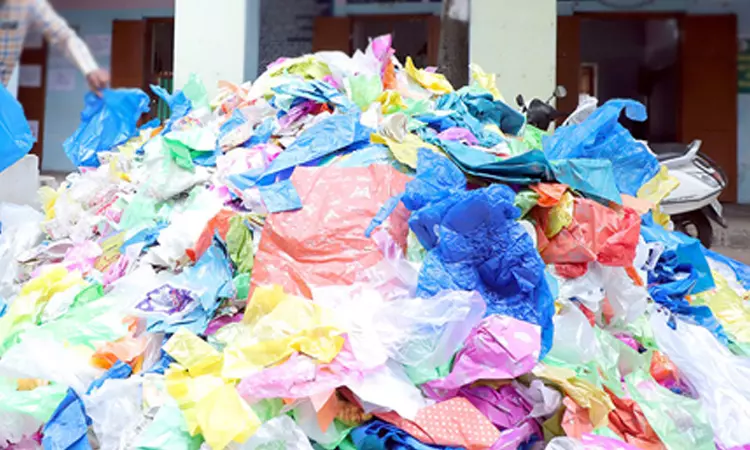
The Tamil Nadu Pollution Control Board, working with local civic bodies, has intensified enforcement of the state’s ban on single-use plastics and seized 15.56 tonnes of prohibited material during recent inspections.
Tamil Nadu single-use plastic ban enforcement and results
Authorities carried out surprise checks across the state targeting street vendors, retail shops, wholesale markets, restaurants, lodging establishments, bus and rail stations, plastic-product factories and other busy public places. Officials inspected 9,248 outlets and identified violations in 2,553 premises.
The raids led to the seizure of 15.56 tonnes of banned single-use plastic items. The Tamil Nadu Pollution Control Board has imposed fines totalling Rs.12,50,200 on sellers found to be trading in prohibited products. In addition, more than 290 factories involved in the manufacture of single-use plastic items have been closed as part of the enforcement drive. The agency’s statement notes that 13 factories were shut down in the past six months alone.

The current campaign follows a 2019 ban on single-use plastic in the state. Officials said the sustained inspections are intended to prevent the return of banned items to the market and to ensure compliance among manufacturers, distributors and retailers. Enforcement teams focused on locations with heavy footfall and supply-chain points where banned items are likely to re-enter circulation.
Business owners found in breach of the ban face monetary penalties and, in some cases, temporary closure of premises. Factory closures are being used where production of prohibited items continues despite warnings and prior action. The Pollution Control Board has emphasised that these measures aim to reduce environmental harm and protect public health by removing single-use plastics from everyday circulation.
Environment specialists say robust enforcement helps create market incentives for businesses to adopt alternatives such as biodegradable packaging, reusable bags and paper-based solutions. For small vendors and manufacturers, adapting to the ban will require investment in new materials and alterations to supply chains. Officials have said they will continue inspections and are encouraging traders to switch to approved alternatives.
The seizure and penalties underscore the state government’s commitment to implementing the ban introduced in 2019. While enforcement actions have financial and operational consequences for those trading in banned items, authorities argue that long-term benefits include reduced litter, lower waste-management costs and less pressure on municipal systems.
Consumers and businesses will now face closer scrutiny as inspections continue. The Pollution Control Board has urged retailers and manufacturers to verify that products comply with the regulation and to engage with local authorities for guidance on lawful alternatives. The board said it will publish further reports on compliance and enforcement outcomes as the campaign progresses.
Key Takeaways:
- Tamil Nadu Pollution Control Board and local bodies inspected 9,248 shops and found violations in 2,553 premises.
- Authorities seized 15.56 tonnes of banned single-use plastic and fined sellers Rs.12,50,200.
- Over 290 factories involved in single-use plastic production were closed; 13 closures occurred in the past six months.








