











Telangana’s political debate over proposed changes to the Mahatma Gandhi National Rural Employment Guarantee Scheme (MGNREGA) intensified on Friday as the state Assembly adopted a resolution warning the amendments could undermine the scheme’s original purpose.
The resolution, passed by the Telangana Legislative Assembly, recalled MGNREGA’s launch in 2005 as a demand-driven programme that provides guaranteed work to rural households. Lawmakers expressed particular concern that the draft VB-G Ram G 2025 law would alter the scheme’s funding pattern from full central assistance to a 60:40 Centre-State ratio, reduce the number of workdays available to rural women and remove many labour-intensive works that benefit small and marginal farmers, Dalits and tribal communities.
“The Mahatma Gandhi NREGA Act should be continued in its true spirit to fulfil the aspirations of wage-earning families,” the Assembly resolution stated, emphasising the role the programme has played for Scheduled Castes, Scheduled Tribes, backward classes and women beneficiaries.

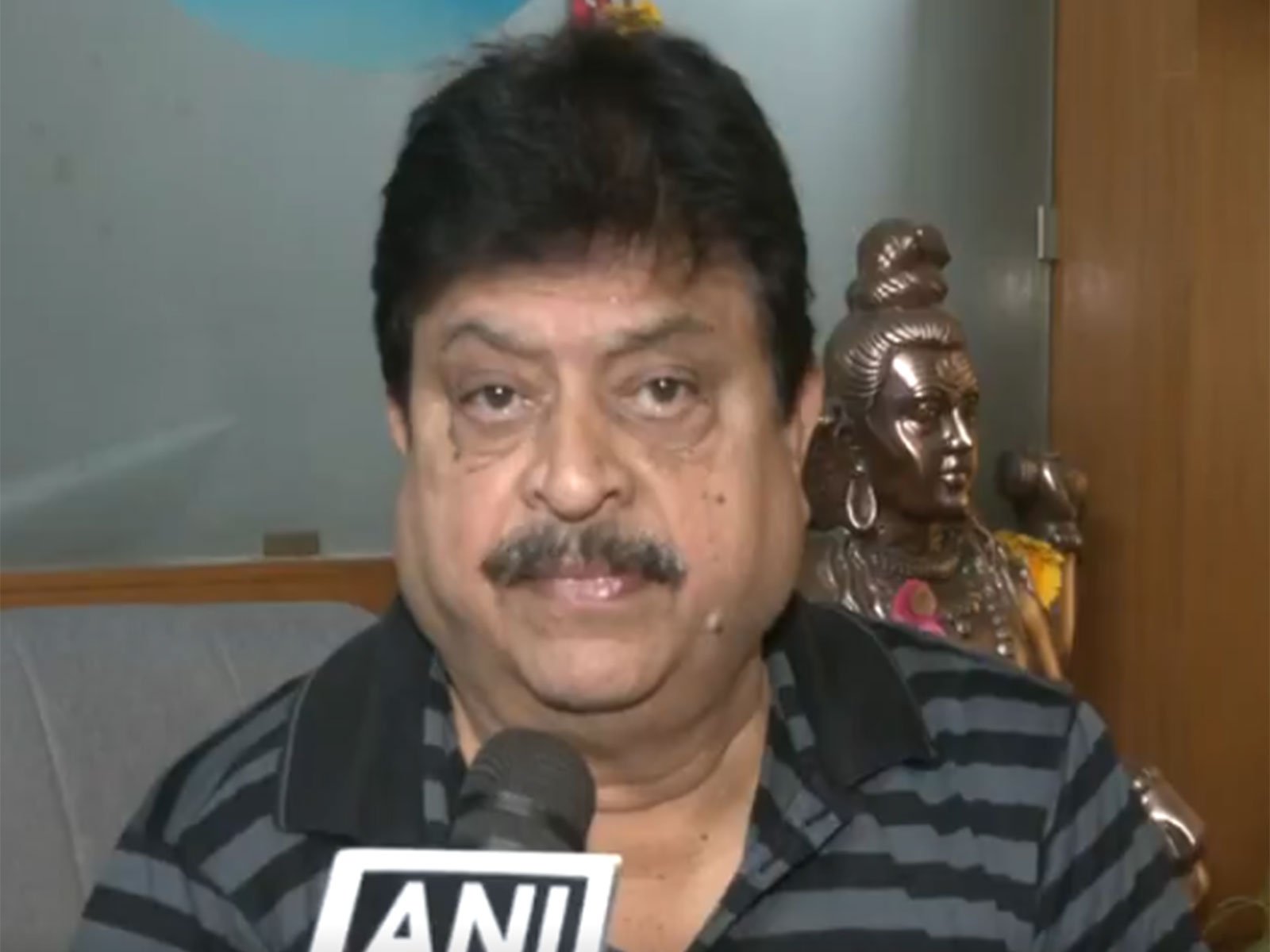
Speaking to ANI, Telangana BJP president N Ramchander Rao strongly criticised what he described as attempts to politicise the proposed changes. Rao said the BJP respected Mahatma Gandhi’s legacy and opposed what he called misleading narratives from the Congress.
“BJP protests the bill proposed by the Telangana government against the renaming of MGNREGA to VB-G RAM G. Only the name of the scheme has changed, not its objective. In fact, better amendments have been made to it,” Rao said, accusing opponents of using Gandhi’s name to divert attention from policy details.
MGNREGA Telangana: Debate over funding, works and implementation
The Assembly expressed alarm that removing labour-intensive categories of work — currently numbering some 266 permitted activities under MGNREGA — would disproportionately affect marginalised groups who depend on such tasks for livelihood. Lawmakers also opposed a mandatory 60-day break during the agricultural season, arguing it would be unjust to landless poor labourers who rely on continuous employment opportunities.
Supporters of the proposed changes have argued that amendments seek to improve efficiency and modernise the scheme. Those concerns have found echo with the state government, which maintains that the revisions do not alter the objective of providing employment to rural families. Critics, however, say any shift in the funding model could reduce central support and increase fiscal burden on states, potentially limiting the scheme’s reach.
Rao’s comments framed the debate as a matter of political narrative as much as policy. He warned against branding the changes as anti-poor, saying such labels were factually incorrect. The Assembly’s resolution, by contrast, urged that the existing list of works remain unchanged and called for year-round implementation to protect vulnerable labourers.
The clash highlights broader tensions in Indian federal governance, where central schemes and state prerogatives often intersect. Whatever the next steps, stakeholders on both sides agree on one point: reforms to MGNREGA will have tangible effects for rural households, particularly women and marginalised communities who have relied on the programme for two decades.
Key Takeaways:
- Telangana BJP leader accuses state government of politicising MGNREGA renaming while defending Mahatma Gandhi’s legacy and saying core objectives remain unchanged.
- The Telangana Assembly passed a resolution warning that the VB-G Ram G 2025 law could dilute the demand-driven nature of MGNREGA, alter funding to a 60:40 Centre-State split, and cut labour-intensive works.
- Concerns focus on potential reductions in workdays for rural women, a mandatory 60-day agricultural break that could harm landless labourers, and removal of Gandhi’s name from the scheme.
- Both sides stress the scheme’s importance for marginalised communities, including Scheduled Castes, Scheduled Tribes, backward classes and women.








