











Key Takeaways:
- Maoist surrender in Telangana has increased, with 509 cadres laying down arms in 2025, signalling reduced insurgent activity.
- Telangana DGP B Shivadhar Reddy says there is no recruitment or local support, and rules out a resurgence.
- The majority of surrendered cadres were from Chhattisgarh, highlighting inter-state movement and the collapse of group momentum.
- The DGP rejected claims of rising crime, saying law and order in the state is under control.

Telangana police say Maoist threat wanes after mass surrenders
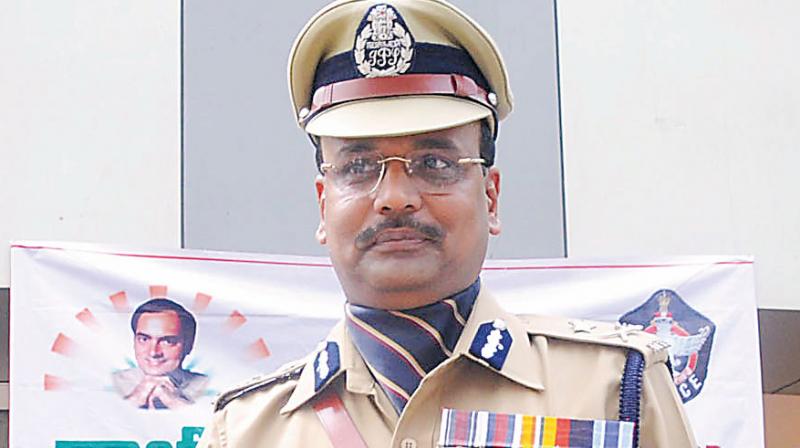
Telangana’s top police officer has ruled out a resurgence of Maoist activity in the state after a wave of surrenders by cadres of the outlawed Communist Party of India (Maoist). The Director General of Police, B Shivadhar Reddy, told reporters that the scale of recent defections and the absence of fresh recruitment show the movement has lost momentum.
Maoist surrender in Telangana: What the numbers show
During 2025 a total of 509 underground CPI (Maoist) members surrendered before Telangana Police. Of those, 483 came from Chhattisgarh, 24 were from Telangana and one each were from Maharashtra and Andhra Pradesh. The group included two central committee members and 11 state committee members.
“There is no question of any resurgence,” Mr Reddy said, adding that there was neither support for the ultras nor any recruitment into the party. “They are laying down their weapons. That itself shows that now they have lost the sheen and lost the momentum.”
The DGP’s comments came as journalists pressed him on whether any active groups remained and whether the recent surrenders might be followed by a regrouping. He expressed confidence that the surrender trend and the ongoing disarmament would make a return to militant activity unlikely.
Security officials say the large number of surrenders from outside the state underscores the inter-state nature of the insurgency and the impact of sustained counter-insurgency operations and persuasion campaigns. Police and intelligence units in affected states have been conducting combined operations and outreach to encourage cadres to give up violence.
Local political debate has followed the development. BRS leader K Chandrasekhar Rao recently alleged that crime in Telangana had increased. Mr Reddy dismissed the charge, saying law and order remained firmly under control.
Analysts say the surrender of high-ranking members weakens the organisational structure of the CPI (Maoist) and could hasten the decline of armed activity in traditional red corridor regions. However, they caution that rehabilitation and effective reintegration of surrendered cadres are essential to prevent marginalised individuals from returning to violence.
Officials have said rehabilitation packages, vocational training and legal counselling form part of the post-surrender process. They also stress the need for continued vigilance to ensure that remaining fringe elements cannot rebuild networks or exploit local grievances.
The development has wider implications for regional security. A reduction in insurgent activity can free up police and paramilitary resources for other priorities and support development work in previously insecure areas. It may also improve investor confidence in regions long affected by conflict.
For now, Telangana’s police leadership is projecting confidence. Mr Reddy’s assertion that recruitment has ceased and that local backing for the Maoists has evaporated will be tested by time and the success of rehabilitation efforts. If sustained, the current trend could mark a significant step towards ending a violent chapter that has affected several states for decades.








