











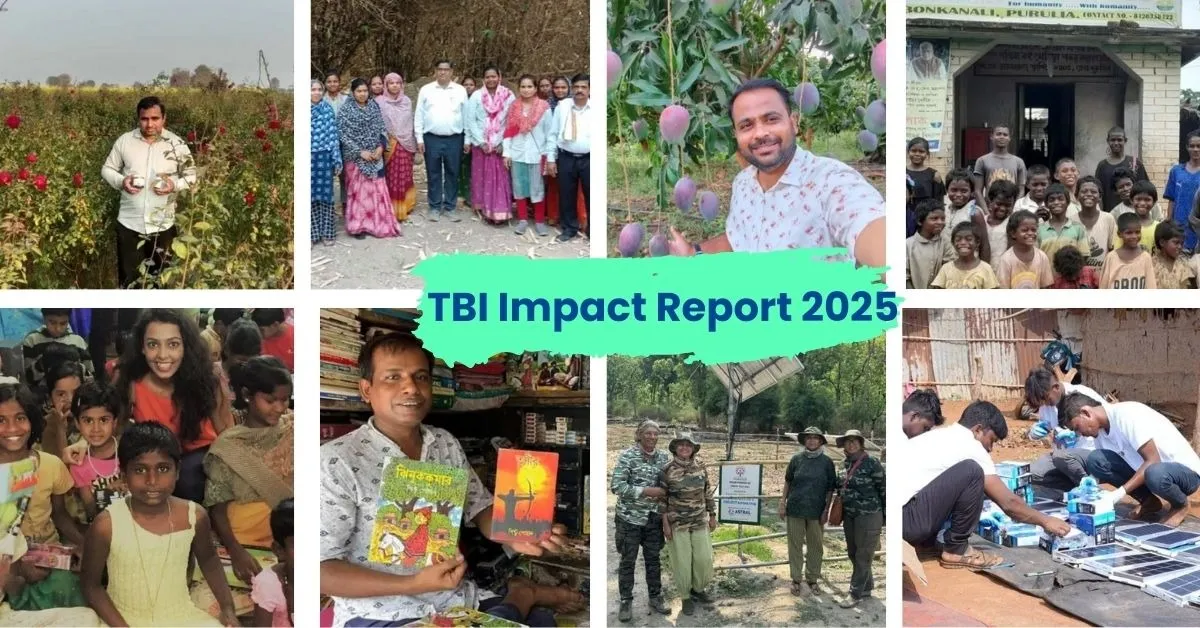
The Better India impact report for 2025 details how local reporting and reader engagement translated into concrete assistance, recognition and policy action across the country. The organisation says its journalism has reached nearly 300 million people monthly and — more importantly — driven work on the ground that changed lives.
The Better India impact report shows real-world impact
The report opens with a case that illustrates the organisation’s approach. After a feature on children rescued from bonded labour, readers donated funds that provided school uniforms and books for 15 children and livestock for five families, many headed by single mothers. One woman used the support to open a small home shop while caring for a bedridden husband, gaining an independent income and avoiding exploitation.
These instances, the report argues, demonstrate the difference between reach and impact. While viral metrics measure attention, impact journalism aims to prompt durable change — whether by financing livelihoods, enabling education, or creating pathways to institutional recognition.

Individual stories produced results that extended beyond charity. A personal feature about a survivor of domestic violence became a lifeline for a reader in crisis, who sought help after reading the account. Reporting also led to professional validation for grassroots innovators: CSIR-NEERI scientist Dr Lal Singh was contacted by government departments interested in implementing his Eco-Rejuvenation Technology, and an agriculture innovation office began the patent process for engineer-turned-farmer Vikrant Kale’s white jamun variety under the Innovative Farmers category.
The report describes ecological and conservation outcomes too. Coverage of a solar pump model by the Earth Brigade Foundation prompted collaboration with forest authorities that resulted in solar-powered water installations and electrified camps in the Udanti–Sitanadi Tiger Reserve. Project leaders credit the story with initiating a partnership that reduced human–animal conflict and improved patrol safety.
When disasters struck, readers responded quickly. A collaboration with Donatekart raised over Rs 8 lakh for boats and relief kits during floods in Punjab, while a campaign for Share At Door Step yielded more than 200 pounds of clothing and essentials for families in Pune and Mumbai. In Mirzapur, 60 girls received bicycles that transformed a 10-kilometre forest route into daily access to school.
Across several states, donations funded solar lights and fans for more than 1,100 tribal households, reflective collars for stray animals, eco-friendly rakhi livelihoods that generated over Rs 5 lakh for 300 women, and summer kits for brick kiln workers. The report stresses that these outcomes are the result of long-form reporting anchored in ethics, verification and respect for dignity.
Editors say that impact journalism means persistence: following stories beyond publication, verifying outcomes and amplifying work that might otherwise remain invisible. From rural innovators to conservationists and community organisers, the report argues that careful reporting can open doors to government support, legal protection and new income streams for marginalised people.
Looking ahead, The Better India commits to continuing that practice — listening first, reporting with care, and holding truth with empathy so readers can translate awareness into action. The report closes by thanking readers and partners, and reiterating the organisation’s belief that journalism can be a conduit for practical, measurable social change.
Key Takeaways:
- The Better India impact report highlights how journalism prompted real-world aid: rescued children returned to school and families began dairy livelihoods.
- Personal features saved lives and connected innovators to government support, patents and conservation projects.
- Reader contributions and partner NGOs funded flood relief, solar lights, bicycles and community programmes across multiple states.








