











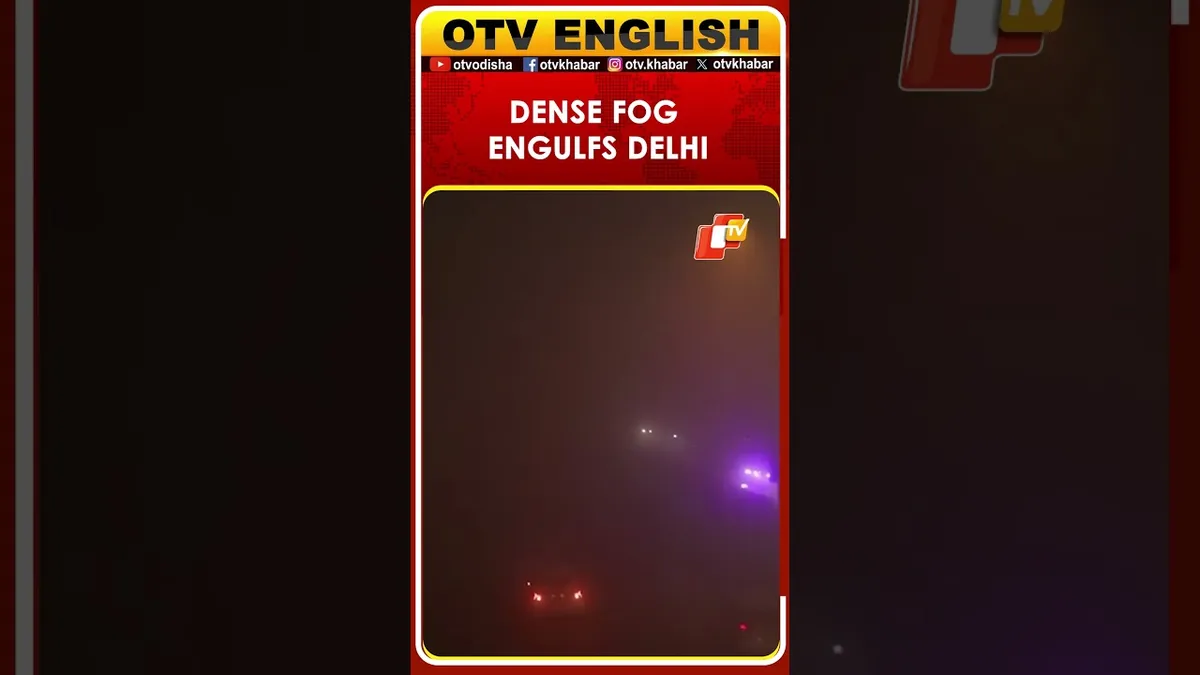
Dense fog settled across Delhi-NCR on Tuesday morning, significantly reducing visibility in several parts of the capital, with Anand Vihar among the worst affected locations. Commuters faced slow-moving traffic and delays as authorities urged road users to exercise caution and plan for extended travel times.
Delhi-NCR dense fog affects roads, rail and air movement
By first light, arterial roads were shrouded in a thick layer of fog, cutting visibility to under 50 metres in some stretches. Traffic police deployed additional personnel and reduced speed limits on key routes to manage congestion and prevent accidents. Local bus services reported slower turnarounds and pockets of backlog at major terminals.
Train services entering the city also experienced knock-on delays as drivers reduced speeds through low-visibility sections. While the national rail operator confirmed that most long-distance services were running, some suburban and regional trains were delayed to ensure safety. At nearby airports, runway operations continued with instrument landing systems, but passengers were warned to expect possible hold-ups or rescheduling as conditions persisted.

Commuters captured early-morning scenes at Anand Vihar in a series of striking visuals shared by local media. The images showed vehicles inching forward beneath a pale sun and pedestrians moving cautiously along fog-dimmed pavements. The Municipal Corporation and transport agencies coordinated to keep traffic flowing where possible, prioritising emergency routes and hospital access.
Health and safety advisories for residents
Public health officials reiterated guidance for vulnerable groups, including children, the elderly and those with pre-existing respiratory conditions. Fog often coincides with elevated levels of particulate matter in the air, which can aggravate breathing problems. Citizens were advised to limit outdoor exertion, wear protective masks if necessary, and keep medications to hand.
Schools and local administrative offices remained open, but several institutions advised parents to allow flexible arrival times for students. Employers in the area were encouraged to consider staggered start times or remote working options where feasible to reduce peak-hour pressure on public transport and roads.
Meteorologists attributed the dense fog to a combination of clear night skies, calm winds and residual moisture over the region, coupled with cooler overnight temperatures. The India Meteorological Department (IMD) forecasted that the thickest fog would lift gradually once daytime temperatures rose and wind speeds increased, but warned that pockets of low visibility could persist into the afternoon in low-lying zones.
Traffic police reminded motorists of basic precautions: maintain safe distance, use low-beam headlights, avoid sudden braking and refrain from overtaking on narrow stretches. Motorcyclists were urged to use reflective gear, and drivers were asked to switch off cruise control and be prepared for sudden stops.
City planners and emergency services said they would continue monitoring conditions and issuing updates through official channels and social media. Commuters were advised to check travel advisories before setting out and to keep emergency contact numbers accessible.
As visibility improved towards midday in several districts, authorities cautioned that intermittent fog could return during the evening. Residents were advised to remain vigilant, especially those travelling long distances or transporting vulnerable passengers.
Key Takeaways:
- Delhi-NCR experiences widespread low visibility due to dense fog, affecting roads and rail corridors.
- Emergency services and traffic police report delays and caution motorists; flights and trains face possible disruption.
- Health advisories issued for vulnerable groups as particulate pollution may exacerbate respiratory issues.
- The Delhi-NCR dense fog has prompted authorities to monitor conditions and advise commuters to avoid non-essential travel.








