











Key Takeaways:
- TMC rejects Union Home Minister Amit Shah’s claim that the BJP will secure a two‑thirds majority in the 2026 West Bengal election.
- TMC leaders say the BJP will not cross the 50‑seat mark and accused Shah of spreading falsehoods ahead of the polls.
- Disputes centre on allegations over illegal immigration, women’s safety and the state’s industrial performance.
- TMC urged voters to reject polarising politics and pointed to investment figures and law enforcement actions in defence of the state government.

TMC Dismisses Amit Shah’s Two‑Thirds Claim Ahead of West Bengal Election 2026
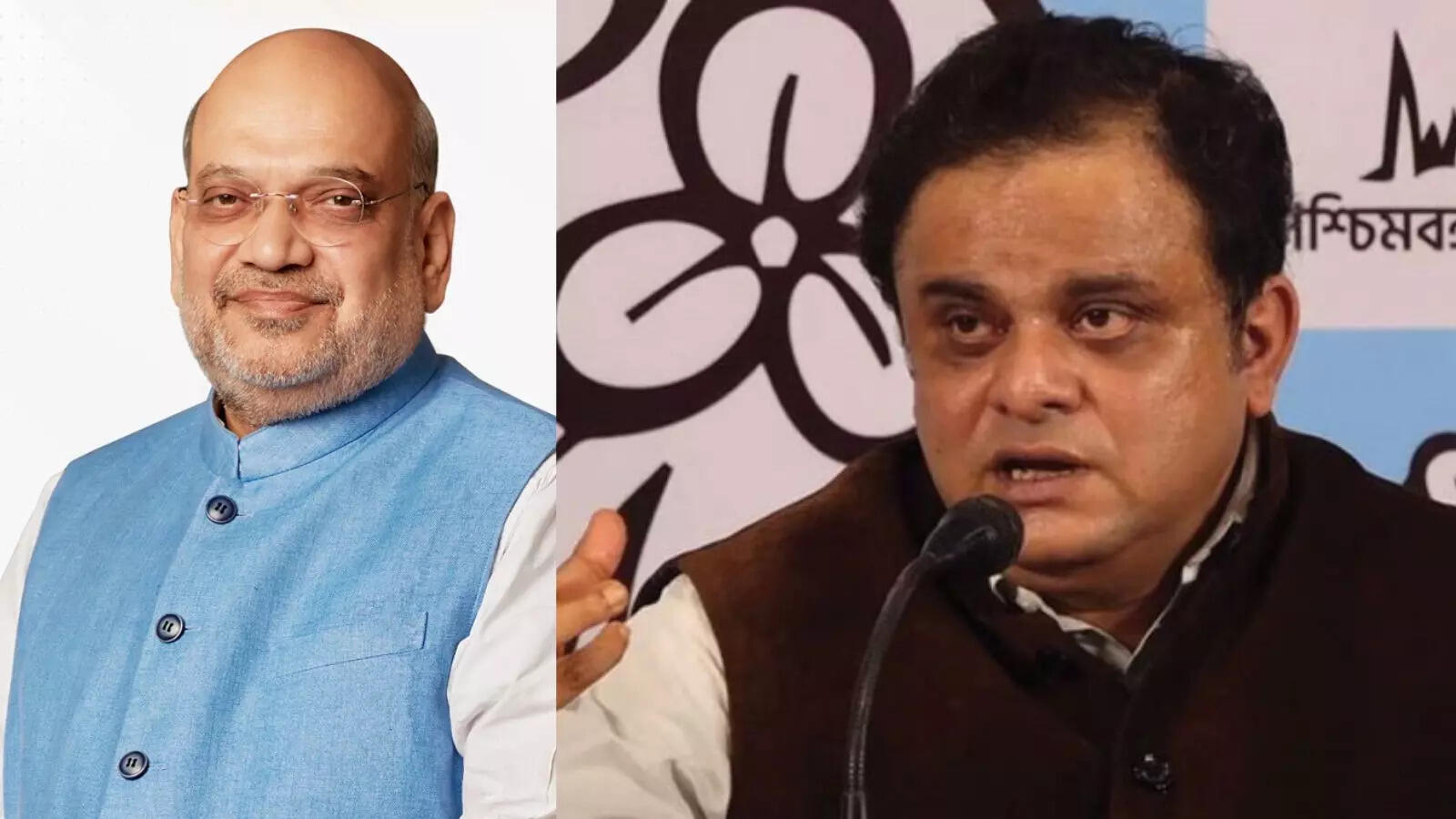
Kolkata — Trinamool Congress (TMC) officials have strongly rejected Union Home Minister Amit Shah’s prediction that the Bharatiya Janata Party (BJP) will win a two‑thirds majority in the West Bengal assembly in 2026. Senior TMC leaders called Shah’s remarks baseless and warned that the BJP would fail to cross the 50‑seat threshold, facing a humiliating defeat instead.
TMC response to West Bengal election 2026
State education minister and senior TMC leader Bratya Basu told reporters that Shah’s statements were founded on hollow claims. “He will keep coming and going like a tourist; such visits yield no benefit,” Basu said, asserting that the BJP would not manage more than 50 seats in the assembly polls.
Shah addressed a press conference earlier, saying the BJP would form the next state government with a two‑thirds majority and that illegal migrants from Bangladesh were being encouraged by the Mamata Banerjee government for electoral advantage. He also said a BJP government would identify and remove those he described as illegal entrants, and criticised the state administration on women’s safety.
TMC ministers and spokespeople hit back sharply. Minister Shashi Panja challenged Shah’s assertion on women’s safety, inviting him to visit during Durga Puja and Christmas when thousands of women participate in festivities without fear. She argued that isolated incidents are met with prompt legal action by the state, and countered Shah by recalling cases where BJP affiliates had been accused of shielding alleged perpetrators.
Panaj also denied claims of industrial decline in West Bengal. She said that since 2011 the state had attracted investment of Rs 13.8 lakh crore and highlighted central government data that places West Bengal second in the micro, small and medium enterprises (MSME) sector. The minister accused Shah and the BJP of spreading falsehoods about the state’s economic record.
TMC spokesman Jay Prakash Majumdar rejected Shah’s suggestion that the BJP avoids temple‑based polarisation. Majumdar said voters were aware of the BJP’s campaign strategies in the 2019 and 2024 national elections and indicated that attempts at communal polarisation would be rejected by the people of West Bengal.
Political analysts say the exchange underlines an intensifying campaign environment as national leaders seek influence in state politics. Shah’s remarks focus on law and order, illegal migration and women’s safety — issues that the BJP has used to broaden its appeal in several states. TMC’s rebuttals emphasise governance records, investments and legal action against crimes.
Observers note that such confrontations are likely to increase as both national and state leaders prepare for the 2026 polls. For voters in West Bengal, the debates will centre on economic performance, public safety and questions of identity and political allegiance. The TMC has sought to frame the election as a rejection of polarising politics, while the BJP continues to present itself as a law‑and‑order alternative.
With campaign rhetoric already heating up, both parties will aim to consolidate support across urban and rural constituencies in the months ahead. How these narratives resonate with the electorate will play a decisive role in shaping the outcome of the West Bengal election 2026.








