











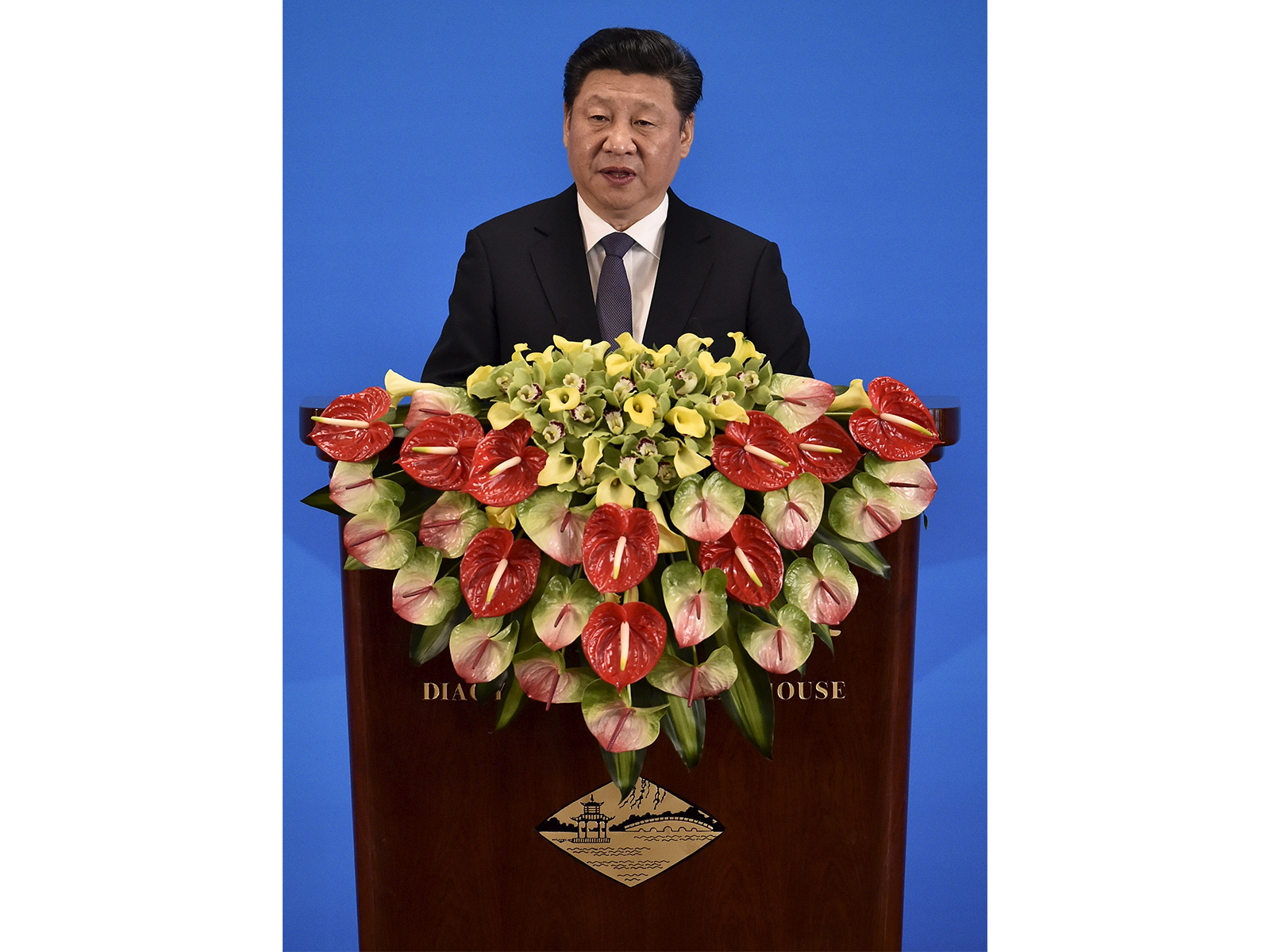
Chinese President Xi Jinping has formally invited South Korea’s President Lee Jae‑myung to a state visit in Beijing, a move that underlines Beijing’s effort to mend ties with Seoul and broaden practical cooperation amid rising regional tensions.
South Korea’s national security adviser, Wi Sung‑lac, confirmed that President Lee will meet President Xi in Beijing on Monday, before travelling to Shanghai to visit the historic site of South Korea’s provisional government from Japan’s colonial era. The invitation comes less than two months after Xi’s visit to South Korea at the Asia‑Pacific Economic Cooperation summit in Gyeongju, an unusually rapid sequence of reciprocal state engagements.
China South Korea summit to prioritise economy and denuclearisation
Officials say the summit will prioritise “practical cooperation” in areas such as supply‑chain investment, tourism and joint efforts to tackle transnational crime, according to reports from Yonhap. In addition to economic and security matters, advisers expect the leaders to discuss peace and denuclearisation on the Korean Peninsula, reflecting Seoul’s continuing concern over North Korea’s weapons programme.

The diplomatic rhythm of the past weeks suggests both capitals are seeking to stabilise bilateral ties while managing wider regional frictions. Xi’s recent trip to South Korea marked his first visit to the country in 11 years and has paved the way for a reciprocal state visit within a remarkably short period.
Analysts say the talks could produce concrete measures to deepen economic linkages. South Korea and China already maintain extensive trade and investment relations, and officials are likely to explore stronger co‑operation in supply‑chain resilience and investment facilitation, areas of shared interest as governments and firms globalise production networks while seeking to reduce vulnerability to disruption.
Tourism is another area flagged for revival. Restoration of people‑to‑people exchanges would be politically useful for both capitals: South Korea benefits from Chinese visitors to support local economies, while Beijing can demonstrate pragmatic diplomacy by encouraging normalisation of exchanges.
Yet the summit will take place against a backdrop of heightened regional tensions. Relations between China and Japan remain strained after comments by Japanese Prime Minister Sanae Takaichi in November suggesting that a hypothetical Chinese action towards Taiwan could draw a military response from Tokyo. China’s recent live‑fire exercises near Taiwan have also increased regional unease.
Washington has urged Beijing to reduce military pressure on Taiwan, with the US State Department warning that recent actions “unnecessarily raise tensions”. Seoul has sought to strike a careful balance: Wi reiterated that South Korea respects the one‑China policy and acts in accordance with it, while maintaining separate ties with Taiwan.
For both Xi and Lee, the summit offers an opportunity to advance concrete economic co‑operation while managing security risks. Observers will watch closely for any agreements on supply‑chain projects, expanded cultural and tourism exchanges, and joint measures against transnational crime, as well as language on denuclearisation and peace initiatives for the peninsula.
As leaders convene in Beijing, the outcome may signal whether the recent diplomatic thaw can translate into sustained, practical co‑operation or whether wider geopolitical frictions will constrain bilateral ambitions.
Key Takeaways:
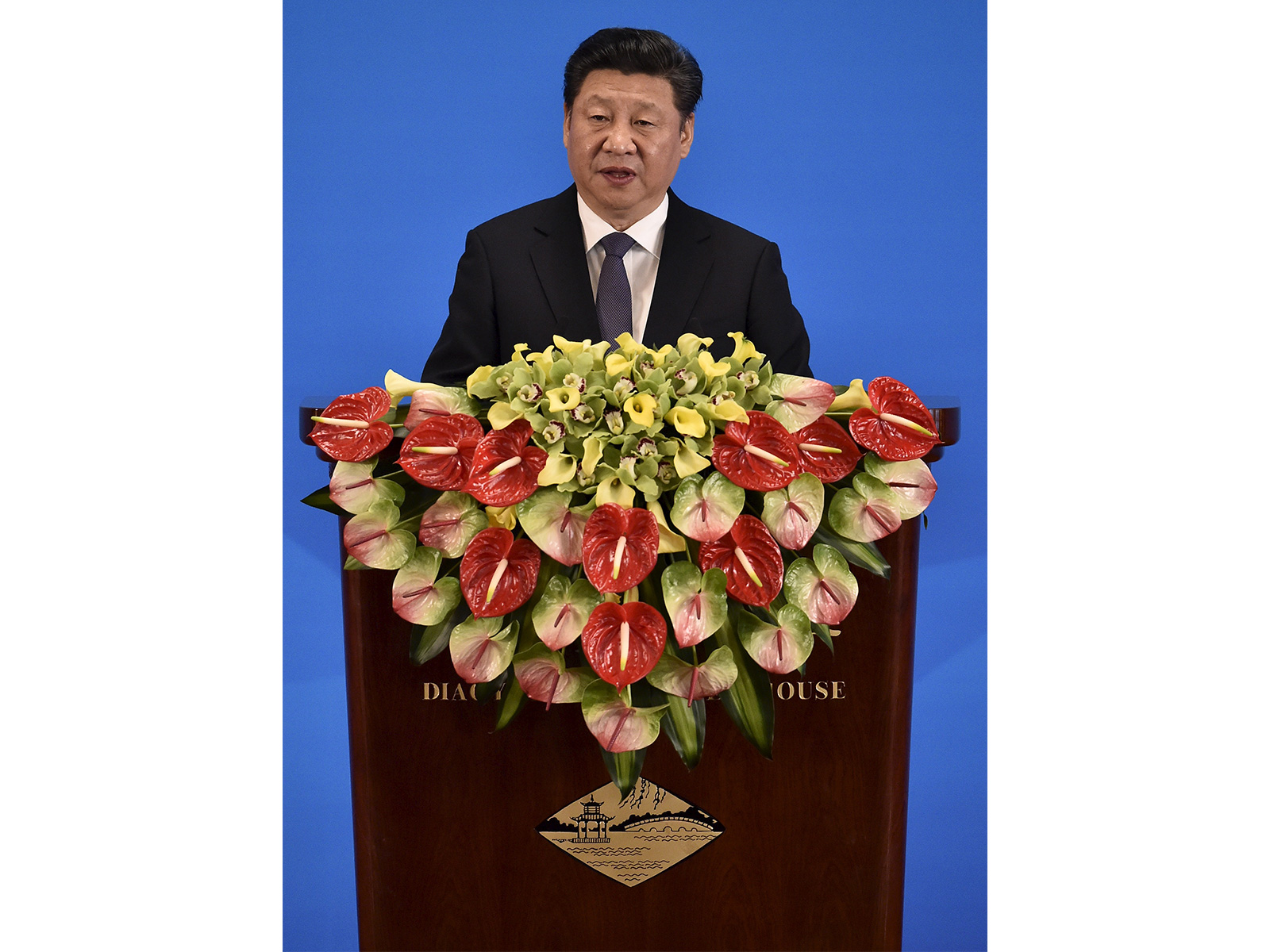
- Chinese President Xi Jinping has invited South Korean President Lee Jae‑myung to a state visit in Beijing, signalling a thaw in relations.
- The China South Korea summit will focus on supply‑chain investment, tourism and cooperation on transnational crime, alongside discussions on peace and denuclearisation.
- The visit follows Xi’s recent trip to South Korea and comes amid regional tensions over Taiwan and Japan‑China strains.








