











Key Takeaways:
- The Fifth Thai–Lao Friendship Bridge opens, creating a permanent crossing between Bueng Kan (Thailand) and Bolikhamxay (Laos).
- The Fifth Thai–Lao Friendship Bridge provides the shortest route linking Thailand, Laos and Vietnam, expected to cut freight times and costs.
- Bueng Kan is set to become a logistics hub, with cross-border trade projected to rise by tens of billions of baht annually.
- The crossing will operate daily and initially charge no toll while legal procedures are finalised.

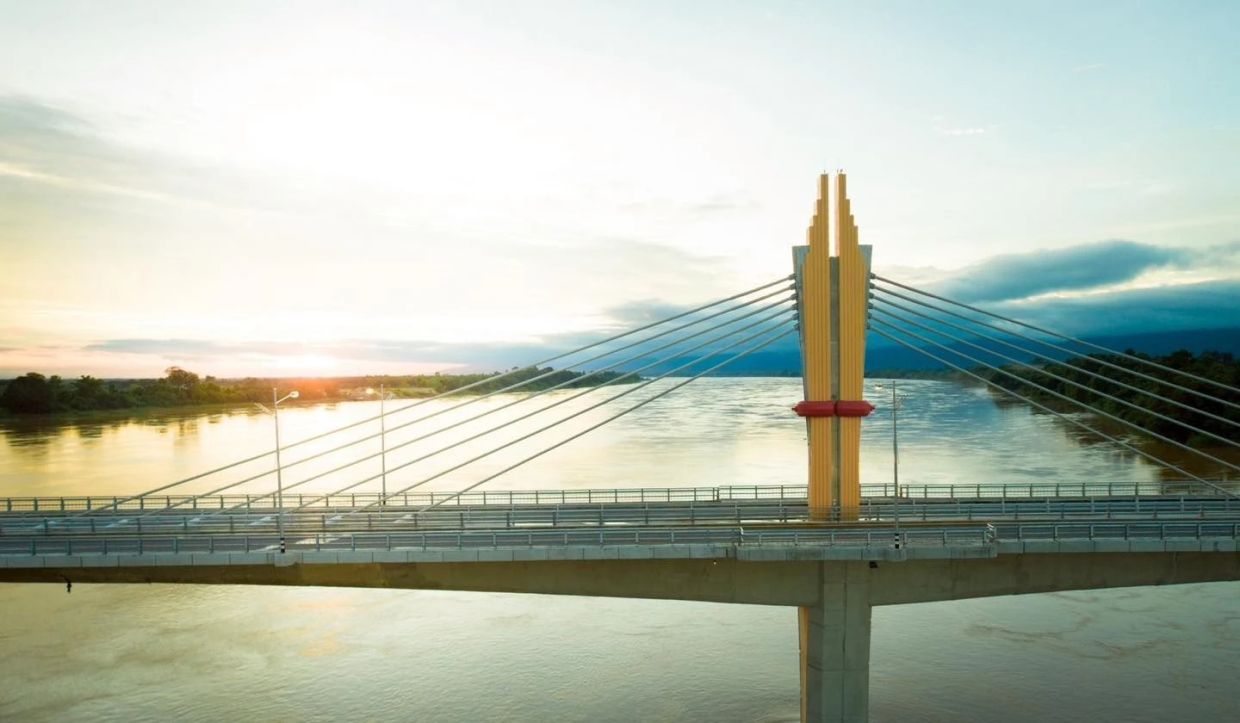
The Fifth Thai–Lao Friendship Bridge, spanning the Mekong River between Bueng Kan province in Thailand and Bolikhamxay province in Laos, was officially opened in late December as leaders from both countries gathered at the midpoint to mark the occasion. The ceremony, which included the Thai King and Queen and Lao President Thongloun Sisoulith, also commemorated the 75th anniversary of diplomatic ties between the two neighbours.
Fifth Thai–Lao Friendship Bridge and regional links
The new permanent border crossing links Mueang Bueng Kan district with Pakxan district in Bolikhamxay. It fills a critical gap in regional connectivity by providing the shortest overland route from Thailand through Laos to Vietnam, notably to Vinh in central Vietnam. Officials and industry analysts say the bridge will reduce freight transit times and lower logistics costs, stimulating trade flows across Indochina and improving access to markets in southern China.
From the outset, the bridge is expected to change the economics of cross-border movement. Freight moving from Bueng Kan through Bolikhamxay to Vietnam will have a more direct corridor, opening opportunities for Thai exporters to reach Vietnam’s central market more efficiently. Local authorities project that cross-border trade could rise by tens of billions of baht a year as businesses shift to the faster, cheaper route.
Local economic impact and logistics potential
Bueng Kan, historically a quiet border province, stands to gain most visibly. The provincial economy is likely to transform as logistics firms, warehousing operators and distributors establish operations to serve the new corridor. That investment is expected to create jobs, boost local incomes and encourage related services such as customs brokerage and cold-chain logistics.
Transport planners also highlight the bridge’s strategic value for regional supply chains. By shortening routes between Thailand, Laos and Vietnam, the crossing supports integrated logistics networks and offers a viable alternative to longer maritime or circuitous overland routes. This could attract inward investment into manufacturing and agribusiness that depends on reliable overland access to multiple markets.
Tourism and border operations
The bridge is likely to encourage cross-border tourism by making travel between Thailand and Laos simpler and more predictable. Visitors can now cross into Bolikhamxay and continue to other destinations in Laos or enter Vietnam without the detours previously required. Authorities hope tourism growth will benefit hospitality, transport and retail sectors in Bueng Kan and neighbouring provinces.
The permanent crossing on the Thai side is at Ban Don Yom, Khai Si subdistrict, Mueang Bueng Kan district, linking to Ban Kluai Udom in Pakxan district, Bolikhamxay. It opened to the public on 27 December 2025 and operates daily from 06:00 to 22:00. During an initial phase there will be no toll while the legal and administrative procedures are finalised in both countries.
Officials on both sides emphasise that the bridge is more than concrete and steel. It is an economic conduit expected to reshape trade, investment and travel patterns across Thailand’s upper northeast and the wider Indochina region, strengthening long-term ties between Bangkok and Vientiane while opening new commercial avenues for businesses in the region.








