











Key Takeaways:
- Uganda presidential ballot packing began after the arrival of 193 pallets of papers, reinforcing electoral preparations for 2026.
- The process was witnessed by political party representatives and independent observers to ensure transparency.
- Ballot papers were printed by Dubai-based Al Ghurair and exceed the 21,681,491 registered voters to allow for spoiled-paper replacements.

Uganda Begins Presidential Ballot Packing Ahead of 2026 Election
The Electoral Commission (EC) has begun packing presidential ballot papers as part of final preparations for Uganda’s 2026 General Election. The exercise, carried out on 29 December 2025, follows the arrival of the first consignment of ballots at Entebbe International Airport earlier this week.
The shipment, flown in on a chartered aircraft from Dubai on 24 December, comprised 193 pallets of presidential ballot papers. EC chairperson Justice Simon Byabakama and deputy chair Aisha Lubega received the consignment alongside commissioner Stephen Tashobya, senior commission staff, representatives of political parties and independent observers.
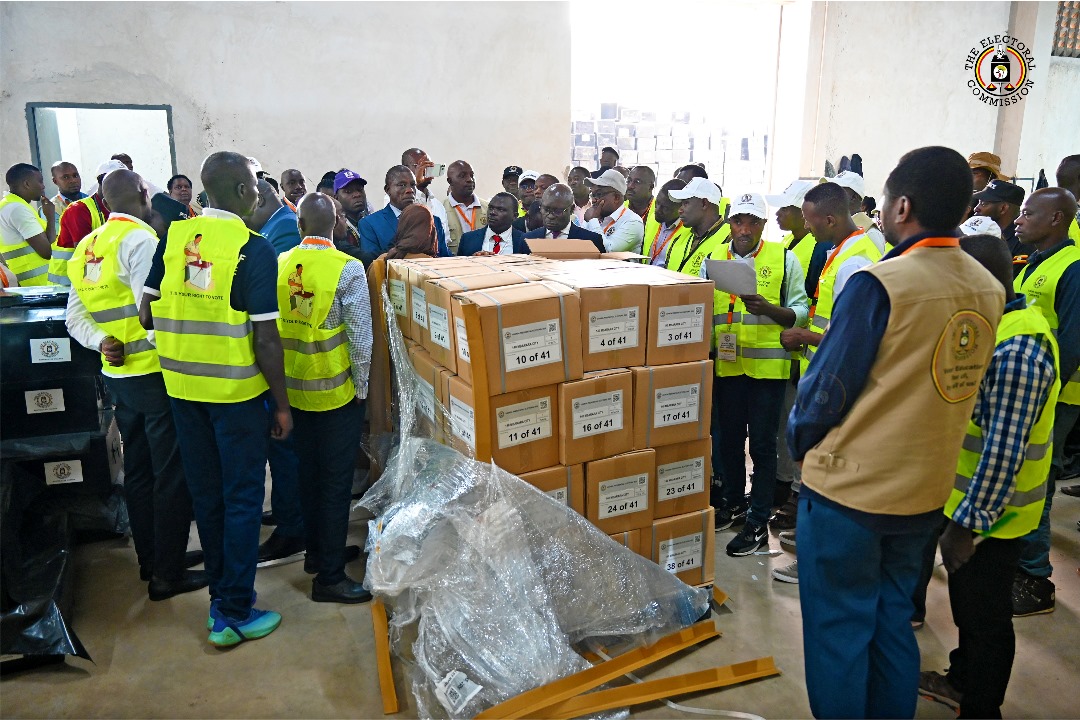
Uganda presidential ballot packing observed by stakeholders
The EC said the packing was witnessed by candidates and political party agents, a move the commission described as part of its commitment to transparency and accountability. Representatives present inspected the handling and storage of ballots at EC warehouses after the pallets were transported from Entebbe Airport.
“We invited stakeholders to observe the process so they can be satisfied with how materials are handled and secured,” an EC official said. Observers monitored inventory checks and the initial stages of packing, including the bundling and labelling that will precede distribution to polling stations.
The ballot papers were printed by Dubai-based Al Ghurair Printing and Publishing Company, which won a government tender earlier this year to print ballot papers and declaration of results forms. The EC said the number of printed ballot papers exceeds the official voter register to allow for replacements in the case of spoiled ballots.
Uganda’s voter register currently lists 21,681,491 registered voters. Justice Byabakama explained that additional papers are printed so a voter who spoils a ballot before casting it may receive a replacement from the presiding officer in accordance with electoral law.
Following offloading at Entebbe, the pallets were transferred to secure EC storage facilities where they will remain under supervision. The commission said it is awaiting a further consignment that will contain ballot papers for Members of Parliament, a shipment the EC expected to arrive on Thursday, 25 December.
Electoral officials also outlined steps being taken to safeguard materials, including inventory controls, sealed storage and restricted access. Security personnel and commission staff will maintain continuous oversight until distribution is completed.
Political parties welcomed the open approach to the packing and storage process. Several party agents praised the presence of independent observers and the detailed cataloguing of shipments, saying it helps build public confidence ahead of the polls.
With the presidential ballot packing under way, the EC now turns to the logistics of distributing materials and training presiding officers. Authorities said they will publish timetables for delivery to districts and polling stations in due course, and continue to invite stakeholder scrutiny to reinforce the integrity of the exercise.








