











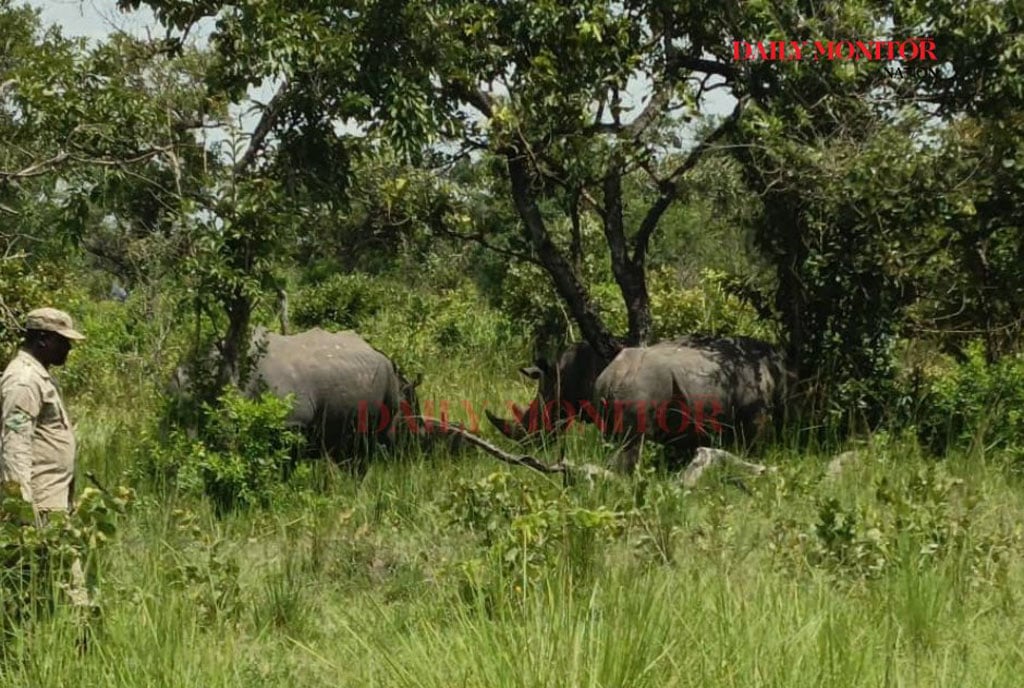
Rhinos have returned to Uganda’s Ziwa sanctuary in a development hailed as one of the country’s most significant conservation achievements since the 1980s. The animals are not anonymous attractions here; rangers move among them with an intimacy that turns each individual into a recognisable presence rather than a distant spectacle.
Ziwa sanctuary rhinos return
Visitors and conservation staff describe knowing each animal by name and temperament. Some rhinos tolerate the presence of people; others remain wary. Bulls patrol wide territories while mothers keep their calves close. Those small, observed behaviours are the practical measure of a recovery that began as a long-term commitment to species restoration and habitat protection.
The Uganda Tourism Board (UTB) has emphasised the wider significance of the return. Juliana Kagwa, the UTB Chief Executive Officer, has highlighted the rhinos as tangible proof that conservation and tourism can reinforce each other. Her office is promoting Ziwa as a destination where careful wildlife management supports sustainable visitor experiences and benefits local communities.

Conservationists point out that the story of Ziwa is one of patient rebuilding. After rhinos vanished from many parts of East Africa in the late 20th century, targeted reintroduction programmes paired with anti-poaching measures and habitat restoration laid the groundwork for their reappearance. Rangers at Ziwa conduct constant monitoring and health checks, and the familiarity between staff and animals reduces stress for the rhinos and improves the effectiveness of protection efforts.
Local engagement has been central to the sanctuary’s progress. Community rangers and guides now form part of the protection network, and many residents have benefitted from employment and tourist revenue. The model is increasingly cited as a practical example of how conservation projects can deliver economic returns while preserving biodiversity.
Despite the welcome progress, experts urge caution. Rhino populations remain vulnerable to poaching and habitat encroachment. Maintaining secure ranges, continued funding for patrols and veterinary care, and expanded community outreach are essential steps to ensure that present gains are consolidated. The sanctuary’s managers are also exploring measures to increase genetic diversity over time and to connect Ziwa to broader conservation corridors.
For tourists, encounters at Ziwa are deliberately managed to protect both animals and visitors. Guided walks and carefully timed viewing opportunities allow people to observe behaviour such as territorial patrolling and maternal care at close range, but without disrupting natural routines. These aspects are central to UTB’s message that responsible tourism can coexist with, and indeed support, serious conservation work.
The return of rhinos to Ziwa is being received as a hopeful sign both nationally and among international conservation networks. As Uganda promotes the sanctuary for eco-tourists, officials say the progress at Ziwa demonstrates how long-term commitment and collaborative approaches can reverse losses and create new opportunities for wildlife and people alike.
Key Takeaways:
- Return of rhinos to Ziwa sanctuary marks a major conservation milestone for Uganda and its tourism sector.
- Rangers know each animal by name and temperament, highlighting close management and protection.
- UTB sees the Ziwa rhino recovery as evidence that conservation and tourism can reinforce each other.
- Ongoing monitoring and community engagement remain vital to secure the long-term future of Ziwa sanctuary rhinos return.








