











Key Takeaways:
- Ukraine peace deal talks reported as nearing agreement on security guarantees, with leaders saying progress has been made.
- Key sticking points remain: territorial arrangements, a demilitarised or economic zone in Donbas, and control and safety of the Zaporizhzhia nuclear plant.
- Russia has agreed to working groups on security and economic issues while European partners plan follow-up conferences in January.
- Officials warn that negotiations are complex and one or two thorny issues could determine whether a final deal is reached.

Ukraine peace deal edges closer after Trump and Zelensky meeting
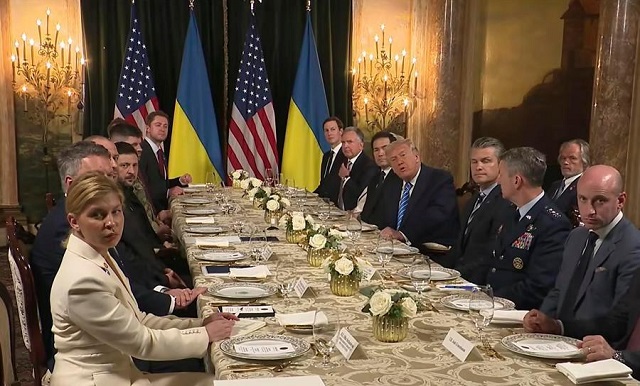
Leaders from the United States and Ukraine this week said talks had advanced significantly towards a possible peace settlement with Russia, though key obstacles remain and details are scarce. After a meeting at Mar-a-Lago, President Donald Trump told reporters the parties were “getting a lot closer, maybe very close” to an agreement. Ukrainian President Volodymyr Zelensky described the 20-point plan under discussion as roughly 90 per cent complete.
Ukraine peace deal security and territorial sticking points
Both presidents highlighted that agreement on security guarantees is almost settled. Zelensky said the United States, Ukraine and European partners were close to 100 per cent alignment on security terms, and Mr Trump suggested the security element could be around 95 per cent agreed. Yet neither leader publicly outlined the remaining differences.
Observers point to several unresolved matters likely to determine the outcome. These include a timetable for a ceasefire, the establishment and status of any demilitarised or “economic” zone in the Donbas, the authority and oversight of the Russian-occupied Zaporizhzhia nuclear power plant, and whether Ukrainian territory would require a referendum to approve any territorial arrangements.
Working groups, European follow-up and diplomatic choreography
According to Kremlin aides, President Vladimir Putin agreed to U.S. proposals to create two working groups to finalise a settlement, one on security and one on economic issues. The two leaders also held a joint call with senior European figures, including the heads of NATO and the European Commission, signalling Western coordination.
European Commission President Ursula von der Leyen welcomed what she called “good progress” and stressed that Europe stood ready to work with Ukraine and the United States to consolidate any advances. French President Emmanuel Macron announced plans to convene allied supporters of Kiev in Paris early next month to firm up security contributions from participating states.
Details matter and timelines remain uncertain
Both presidents warned that negotiations are complicated and may take weeks. Mr Trump said some “thorny” issues remained unresolved and declined to predict whether a deal would be reached before year end. Zelensky reiterated he would submit any territorial concessions to a national referendum and said he would agree to a referendum only if Russia accepted a ceasefire of at least 60 days.
The stakes are high. Control and safekeeping of the Zaporizhzhia plant in south-eastern Ukraine has featured prominently in discussions, with Mr Trump indicating Mr Putin is open to cooperation over arrangements for the site. Russia, meanwhile, has signalled it will resist amendments to an earlier 28-point plan circulated in the autumn.
Security and conflict backdrop
The meetings came against a volatile backdrop. On the same day as the Mar-a-Lago talks, Russia launched a large missile and drone assault on Kiev that killed civilians and disrupted power and heating supplies. Kyiv reported hundreds of drones and dozens of missiles had been used in the attack, underscoring how fragile any ceasefire would be without firm guarantees and verification mechanisms.
For now, diplomats have agreed to intensify technical talks and convene follow-up meetings in the coming weeks. If working groups can bridge the remaining gaps on security guarantees and territorial mechanics, negotiators say a broader framework could be finalised. But several sensitive matters must be settled before a lasting settlement becomes realistic.








