











Key Takeaways:
- Farmers Tower Nakasero is a sh35 billion 16-storey development to house UNFFE and generate rental income for farmer programmes.
- The tower will host a national agricultural data and knowledge hub to centralise production information and improve coordination.
- UNFFE seeks financial independence from donors by investing in income-generating assets to support training, advocacy and services.
- The project site is Plot 27, Nakasero Road; timelines and financing will follow procurement and regulatory approvals.

UNFFE launches sh35b Farmers Tower Nakasero to secure farmers’ income
The Uganda National Farmers Federation (UNFFE) has unveiled plans to build a 16-storey Farmers Tower in Nakasero, a sh35 billion project designed to provide a permanent headquarters for the federation while generating sustainable revenue to support farmers across Uganda.
Farmers Tower Nakasero to provide sustainable revenue
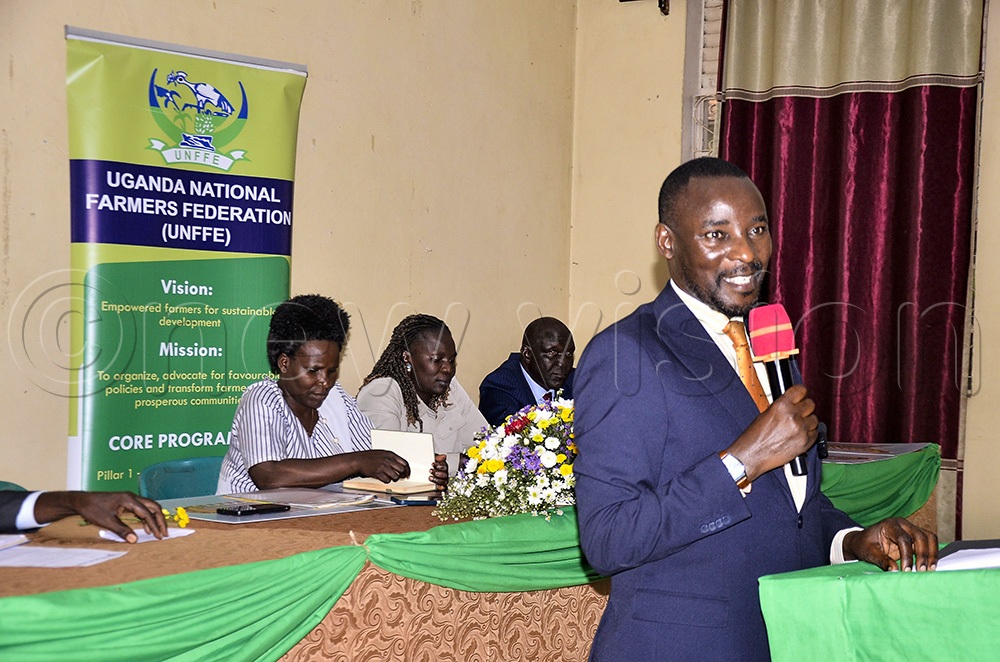
Launched on 29 December during UNFFE’s 33rd Annual General Assembly at the federation’s Nakasero offices, the development will be constructed on Plot 27, Nakasero Road, where UNFFE currently operates. The existing building will be demolished to make way for the new tower once construction begins.
UNFFE president Dr Dick Nuwamanya Kamuganga said the building is an investment by farmers for farmers. “The income generated from this building will go back to supporting farmers through training, advocacy and improved service delivery,” he said. The federation expects commercial rental space to produce a steady revenue stream that will fund nationwide programmes even when donor funding is limited.
The tower will include office and commercial space and is planned to host a central agricultural data and knowledge hub. UNFFE treasurer Daudi Mukiibi Byekwaso described the facility as a national data centre for agricultural production information, covering dairy, crops and livestock. He said the hub will act as a reference centre for policymakers, researchers, private sector partners and farmer organisations.
Delegates at the assembly were shown an artistic impression of the modern tower, which is expected to become a notable feature in Kampala’s central business district. Representatives from district farmer associations welcomed the project, calling it a milestone in farmer ownership of national institutions.
“For a long time, farmers have relied on external support. This investment shows that farmers can build sustainable institutions that serve their own interests,” said David John Odyek, chairperson of the Alebtong District Farmers Association and a representative of Northern Uganda. Immaculate Nansamba, chairperson of the Kiboga District Farmers Association, said women farmers stand to benefit from improved access to information and coordinated services.
UNFFE officials said the tower will also provide space for stakeholder engagement, training programmes and national dialogues on agriculture, agribusiness and rural development. The federation intends the building to strengthen coordination between farmer organisations, government agencies and private sector actors.
Founded in 1992 under the Ministry of Agriculture, Animal Industry and Fisheries, UNFFE serves as the national umbrella body that identifies, mobilises and represents farmers’ interests across Uganda’s districts and regions. Leaders described the tower as part of a long-term strategy to reduce dependence on donor funding and to enhance financial independence through income-generating assets.
Construction timelines and financing arrangements will be announced after procurement processes and regulatory approvals are finalised. UNFFE leaders emphasised that the development is intended to stabilise the federation financially and ensure continuity of farmer-focused programmes during periods of constrained external funding.
As agriculture remains central to Uganda’s economy and livelihoods, UNFFE’s investment in owned infrastructure aims to bolster the sector’s contribution to economic growth, food security and household incomes. “This tower is not just a building,” Dr Nuwamanya said. “It represents farmers’ confidence in their future and their commitment to building strong institutions for generations to come.”








