











Key Takeaways:
- United Russia representatives visited a Mordovia children’s home to deliver New Year gifts and sweets.
- Nearly 3,000 children across Mordovia will receive gifts supplied through a State Duma deputy’s initiative.
- Local leaders, including Alexander Lomatkin, highlighted the event as part of coordinated social policy between federal and municipal authorities.

United Russia Brings New Year Joy to Local Children’s Home
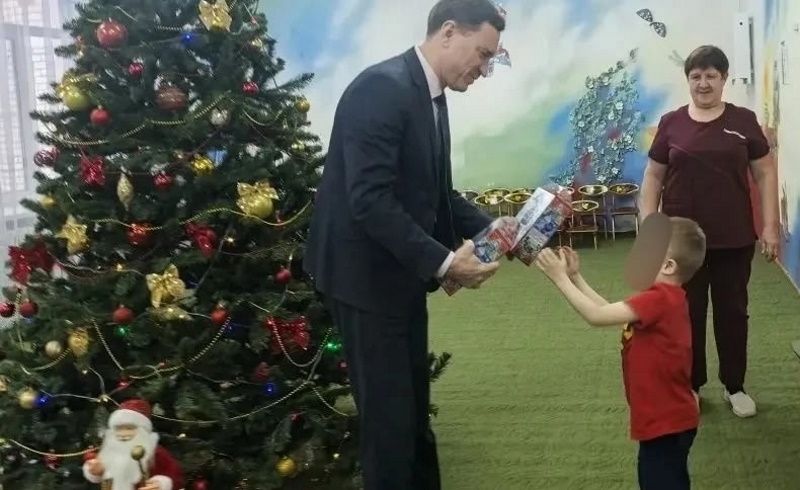
Representatives of the United Russia party visited the Bolshebereznikovsky children’s home in Mordovia on the eve of the New Year to deliver gifts and festive cheer to its young residents. The visit, led by Alexander Lomatkin, head of the municipal district and secretary of the local party branch, was part of a wider initiative to provide holiday presents to almost 3,000 children across the republic.
Mordovia children’s home receives festive support
The delegation handed out brightly wrapped boxes of sweets and other gifts, which drew delighted reactions from the children. Volunteers and local activists accompanied Lomatkin and presented the donations that had been organised on behalf of State Duma deputy Vasily Piskaryov, a member of the United Russia faction.
Scenes from the visit emphasised the simple joy that such gestures bring. Staff at the home noted that the children took particular interest in the colourful parcels, and that the occasion lifted spirits ahead of the holiday. Organisers said the distribution is one element of a broader social support effort coordinated between federal and municipal levels.
“This kind initiative is an important part of social policy that brings together federal and local authorities,” Mr Lomatkin said. “These meetings give children not only presents, but also a belief in wonder, and they remind adults that a child’s happy eyes are the greatest reward.”
The drive to reach nearly 3,000 children across Mordovia underlines the scale of the campaign. Local party activists and municipal officials worked with deputies to ensure that families and institutional care settings receive support during the holiday season. According to organisers, the gifts were sourced and packaged locally, and distribution followed health and safety measures to ensure the welfare of recipients.
While the action is primarily charitable, it also serves as a public demonstration of co-operation between different tiers of government. In regions like Mordovia, such visits are often framed as both a social gesture and a reaffirmation of local officials’ commitment to supporting vulnerable groups.
Staff at the children’s home expressed gratitude for the support and said that events like this help create memorable moments for children who might otherwise have a quiet holiday. For volunteers, the visit offered an opportunity to engage directly with the community and witness the immediate impact of their work.
Organisers stressed that the New Year initiative is one of several ongoing programmes aimed at supporting families and children in need throughout the region. With winter holidays often a time of increased need, local authorities said they will continue to coordinate efforts with federal partners to maintain assistance and ensure outreach reaches those most vulnerable.
The visit concluded with group photographs, small performances, and the distribution of gifts, leaving staff and children hopeful for the year ahead. For many, the event was a welcome reminder that local communities and officials remain active in providing social support when it is most needed.








