











Key Takeaways:
- Key price drivers: generation, fuel type and Delhi-NCR regulations shape resale values.
- Focus on the 3rd, 4th and 5th generations when assessing condition and price.
- Essential mechanical and electrical checks reduce ownership risk for a used Honda City in Delhi.
- Verify registration, service history and market valuation before purchase.

Used Honda City in Delhi – Price Trends, Generations and Buying Checklist
The Honda City remains one of India’s most sought-after premium sedans on the pre-owned market. In Delhi and the National Capital Region (NCR) buyers prize its build quality, cabin space and engine refinement. However, local regulations and generational differences strongly influence price and ownership viability, so a careful, evidence-based approach will protect buyers from costly mistakes.
Buying a used Honda City in Delhi – What to check
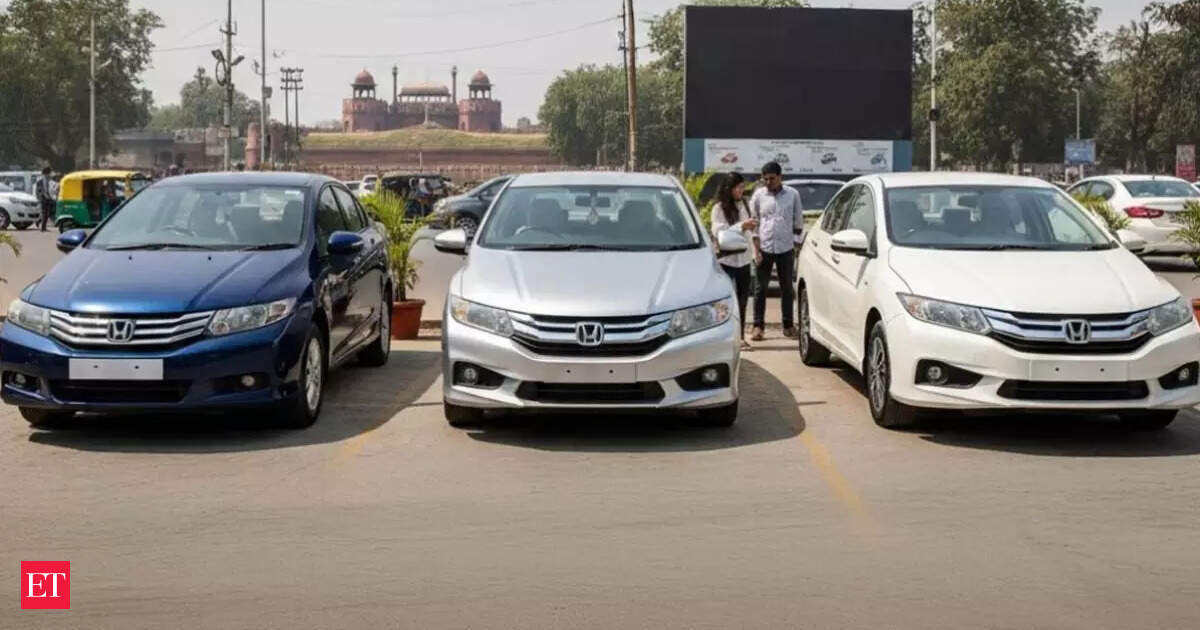
Prices vary primarily by generation, fuel type and condition. Third-generation models (2008–2013) typically offer the lowest entry point, driven by age and wear; expect older petrol i-VTEC units to trade at the bottom of the range if maintenance is uneven. Fourth-generation models (2014–2020) introduced diesel i-DTEC engines and CVT automatics, and present an attractive value proposition for many buyers, though the 10-year diesel rule in Delhi-NCR creates added risk for diesel variants. Fifth-generation cars (2020 onwards) command the highest prices due to modern safety, connectivity and lower depreciation.
Generational price dynamics and regulatory impact
Delhi-NCR enforces stricter age limits for diesel vehicles, which accelerates depreciation of fourth-generation diesel Cities once they approach or exceed ten years. Petrol models retain usability for a longer period under the 15-year rule, so expect steadier values. If you plan to use the car inside Delhi, factor these restrictions into your valuation. Outside strict city limits the short-term bargains among older diesels can be tempting but carry resale risk.
Mechanical checks to prioritise
Start with the engine and transmission. VTEC engines are noisy on a cold start but should settle quickly. Persistent ticking or knocking, especially in older i-DTEC diesels, needs specialist inspection. For CVT-equipped cars, ensure acceleration is smooth and linear without a “rubber-band” sensation. Manual gearboxes should exhibit clean clutch engagement and precise shifts.
Suspension and chassis checks are critical in city-driven examples. The front suspension lower arm bushes commonly show premature wear; listen for clunks over uneven surfaces. Test the air conditioning at idle for at least 15 minutes to confirm cooling performance, since compressor repairs are expensive.
Interior, electrics and documentation
Operate all electrical systems, including infotainment, rear camera and parking sensors. Confirm dashboard warning lights illuminate on start and then extinguish. Inspect sunroof operation on higher trims and check for dampness around the headliner that indicates drainage issues. Door hinge squeaks point to general neglect rather than mechanical risk but are worth noting.
Documentation is as important as mechanical soundness. Verify the first registration date, particularly for diesel cars approaching the 10-year threshold. A full service history from an authorised Honda centre provides confidence in routine maintenance. Finally, research market valuations for the specific generation and variant on specialist second-hand car platforms to avoid overpaying.
Final buying strategy
Balance purchase price against likely future restrictions and repair exposure. A well-maintained fourth-generation petrol or a recent fifth-generation model will offer the safest route for most Delhi buyers. Carry out a professional inspection before committing and insist on transparent paperwork. With the right checks, a used Honda City in Delhi can deliver years of reliable, comfortable motoring and remain a sound investment on the used-car market.








