











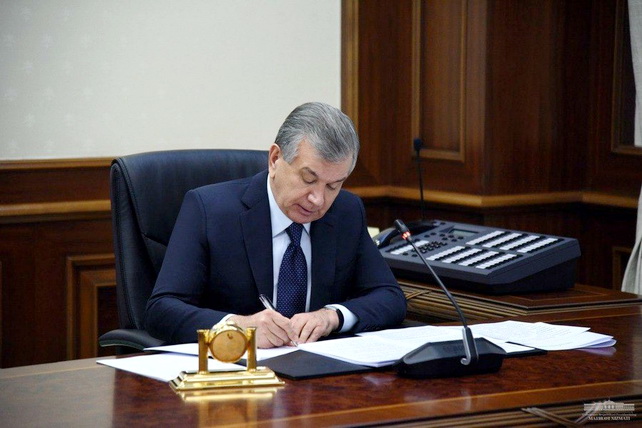
The President of the Republic of Uzbekistan signed a decree on 30 December 2025 to strengthen the country’s framework for preventing and combating corruption. The measure mandates the establishment of internal control units within state bodies and organisations and sets out a phased plan to introduce a National Certified Anti-Corruption Management System from 1 July 2026 through to 2030.
Under the decree, implementation will begin with those bodies whose performance has been rated as ‘unsatisfactory’ in official evaluations. The Anti-Corruption Agency will coordinate the roll-out and set compliance schedules. Heads of organisations and their deputies who fail to meet the requirements on time face suspension of incentive payments, signalling stronger accountability for senior officials.
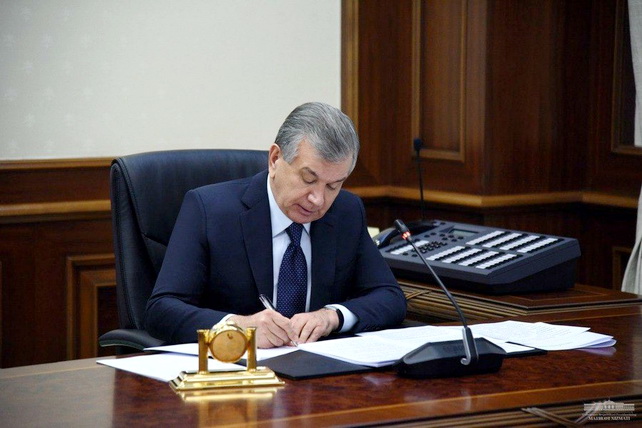

Uzbekistan anti-corruption system to combine digital tools and institutional oversight
The National Certified Anti-Corruption Management System is designed to establish an integrated prevention architecture. The Anti-Corruption Agency will work continuously with law enforcement and oversight bodies, research institutions, internal control units and civil society organisations to identify risks, share information and co-ordinate responses. This closer interaction aims to reduce fragmentation of oversight and speed up remedial action.
A key element of the reform is the introduction, on a pilot basis from 1 July 2026, of the ‘Digital Compliance’ software suite. The suite includes an ‘E-Compliance’ module that will fully digitalise the work of internal control units and enable real-time information exchange among participants in the anti-corruption cluster. The Agency will also be authorised to issue mandatory instructions to central offices of state bodies to address identified violations, strengthening the enforcement arm of prevention efforts.
To encourage reporting and protect those who come forward, the decree establishes a mechanism for protection orders against workplace harassment or retaliation for whistleblowers. In addition, a new distinction, ‘For Contribution to the Fight Against Corruption’, will recognise individuals who make significant contributions to preventing and combating corruption. Together, these measures aim to create safer channels for reporting and to reward integrity.
Officials implementing the system will face concrete consequences for non-compliance. The suspension of incentive payments for late adopters is intended to accelerate reforms in underperforming bodies and demonstrate a tangible commitment to institutional change.
Observers say digitalisation and clearer enforcement could improve transparency and bolster investor confidence if implemented effectively. By tying compliance to performance evaluations and incentives, Uzbekistan is signalling a move from aspirational anti-corruption rhetoric to operational controls and measurable outcomes.
The phased nature of the roll-out, running to 2030, allows for pilots, adjustments and scaling. Early focus on the weakest-performing bodies should provide lessons that the Anti-Corruption Agency can apply more widely. Civil society and research institutions will play a supporting role in monitoring implementation and assessing impact.
Overall, the decree sets out a structured pathway for modernising anti-corruption efforts in Uzbekistan through institutional reform, digital tools and protections for whistleblowers. The plan aligns governance reforms with practical enforcement mechanisms and could mark a substantive step in the country’s efforts to strengthen public sector integrity.
Key Takeaways:
- Uzbekistan will roll out a National Certified Anti-Corruption Management System from July 2026 to 2030.
- The Digital Compliance suite and E-Compliance module will pilot real-time information exchange and digitalise internal control units.
- The Anti-Corruption Agency may suspend incentives for non-compliant bodies and can issue mandatory instructions to central offices.
- Measures include whistleblower protection and a new distinction recognising contributions to the fight against corruption, supporting the Uzbekistan anti-corruption system.








