











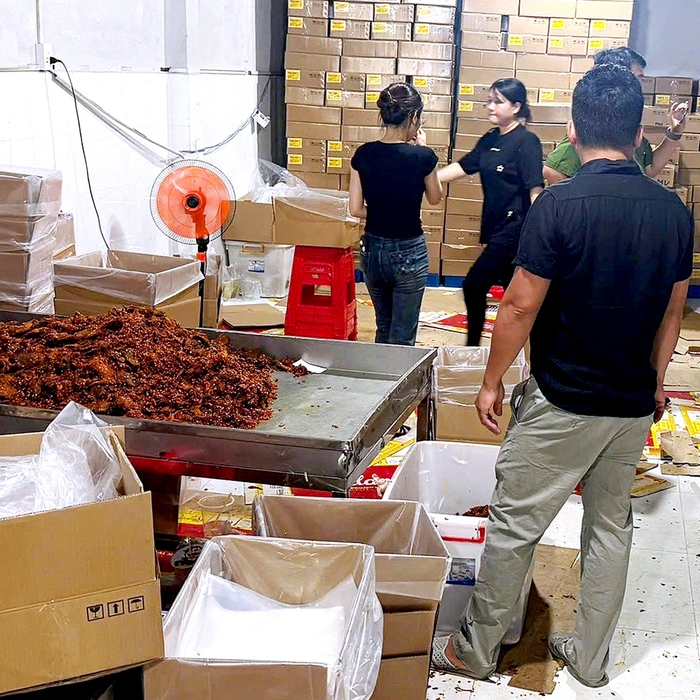
Vietnam will vest commune‑level police with formal powers to inspect compliance with environmental and food‑safety laws, under an ordinance that takes effect on 15 December 2025. The measure, which also renames the environmental police to the Police for Prevention and Combat of Environmental Crime, is intended to match new institutional arrangements and tighten oversight at grassroots level.
Vietnam commune police food safety role and powers
Under the new rules, village and ward police chiefs — as well as officers at special administrative zones and local police posts — may initiate inspections when they receive complaints, detect suspicious activity during patrols, or identify apparent breaches. They will be authorised to issue inspection documents and to act in coordination with health, agricultural and environmental agencies to examine businesses and individuals operating within their areas.
Lawmakers and local officials argue the transfer of responsibility is a pragmatic response to structural changes in the police system. With district‑level police no longer in place, assigning inspection duties to commune police brings authority closer to communities and closes potential enforcement gaps that could otherwise be exploited.

Representative Trần Khánh Thu, who works at the Hưng Yên Provincial Department of Health, told Tuổi Trẻ that the arrangement aligns with the operational skills and community knowledge of commune police. She said local officers are best placed to spot food‑safety and environmental threats early, ensuring faster intervention and protecting public health.
Where inspectors find breaches, the commune police will be empowered to initiate swift and strict action within the bounds of the law. They will also take on a public education role, informing traders and consumers about legal standards and encouraging safer practices at market stalls and food outlets.
Residents welcomed the change but urged clear safeguards. Nguyễn Ngọc Trâm, a resident of the HH Linh Đàm apartment complex in Hanoi, said small roadside vendors and informal sellers often operate without clear labeling of origin, hygiene controls, or protective measures such as gloves and masks. She said local police understand neighbourhood trading patterns and can help enforce standards while advising sellers to improve practices.
Public calls include the provision of mobile testing units capable of rapid, on‑site checks for toxins, bacteria, viruses and pesticide residues. Such equipment would make inspections more transparent and convincing to both sellers and consumers, Ms Trâm added.
Officials stress that alongside the expanded authority must come clear responsibility. Commune police must act accurately and fairly, avoiding unnecessary harassment and preventing duplication of efforts among agencies. Effective coordination with health and agricultural inspectors will be crucial to ensure inspections are proportionate and legally sound.
By devolving inspection power to the lowest operational level, the government aims to reduce legal ambiguity, increase the speed of enforcement, and improve food‑safety oversight in local communities. The success of the reform will depend on training, equipment and robust procedures to protect citizens’ rights while safeguarding public health.
Key Takeaways:
- Vietnam will grant commune police authority to inspect environmental and food‑safety compliance from 15 December 2025.
- The change aims to close legal gaps after the removal of district police and speed up handling of local violations.
- Commune police will coordinate with health and agricultural officers and may use mobile testing to check food safety at the scene.
- Officials stress the need to balance enforcement with responsibility to avoid harassment and duplication.








