











Key Takeaways:
- Vietnam is deepening Vietnam people-to-people diplomacy as a core pillar of its comprehensive foreign policy.
- High-level events and bilateral exchanges with China, Russia, the US and South Korea reinforced cultural and expert ties.
- Non-governmental aid exceeded expectations in 2025, with over $200 million mobilised through foreign NGOs.
- Authorities prioritise professional training, digital transformation, and rebutting hostile narratives to protect national interests.

The Communist Party of Vietnam and the Ministry of Foreign Affairs have underlined people-to-people engagement as a strategic element of the country’s modern diplomacy. At a review meeting on the Ministry of Foreign Affairs’ people-to-people diplomacy efforts in 2025, senior officials highlighted a series of high-profile exchanges and practical cooperation that consolidated Vietnam’s international ties.
Vietnam people-to-people diplomacy as a strategic pillar
Deputy Minister Ngô Lê Văn told delegates that Vietnam’s state and party leadership strengthened guidance and adjusted operations to suit new circumstances and priorities. Across bilateral and multilateral channels, the nation sustained friendships and cooperative projects in areas ranging from culture and education to science and health.
Events in 2025 showcased the breadth of this diplomacy. Meetings included a Vietnam-China people’s friendship forum, youth study programmes and joint youth forums attended by senior party leaders from both countries. Vietnam also hosted gatherings to thank Russian intellectuals and specialists who supported Vietnam in past decades, and engaged long-standing friends from the United States and South Korea in veteran and civil society meetings.
Such activities were intentionally aligned with state diplomacy and high-level visits, reinforcing political ties while creating a wider foundation of public goodwill. Officials said that people-to-people contacts helped build mutual understanding, strengthen trust and mobilise international support for Vietnam’s development goals.
Non-governmental assistance remained an important source of external resources. Despite challenges, the Deputy Minister reported that foreign non-governmental aid in 2025 was expected to exceed $200 million, reflecting successful mobilisation through civil society channels. Authorities aim to use these resources strategically to support development priorities while ensuring transparency and alignment with national plans.
Professionalising the diplomatic workforce
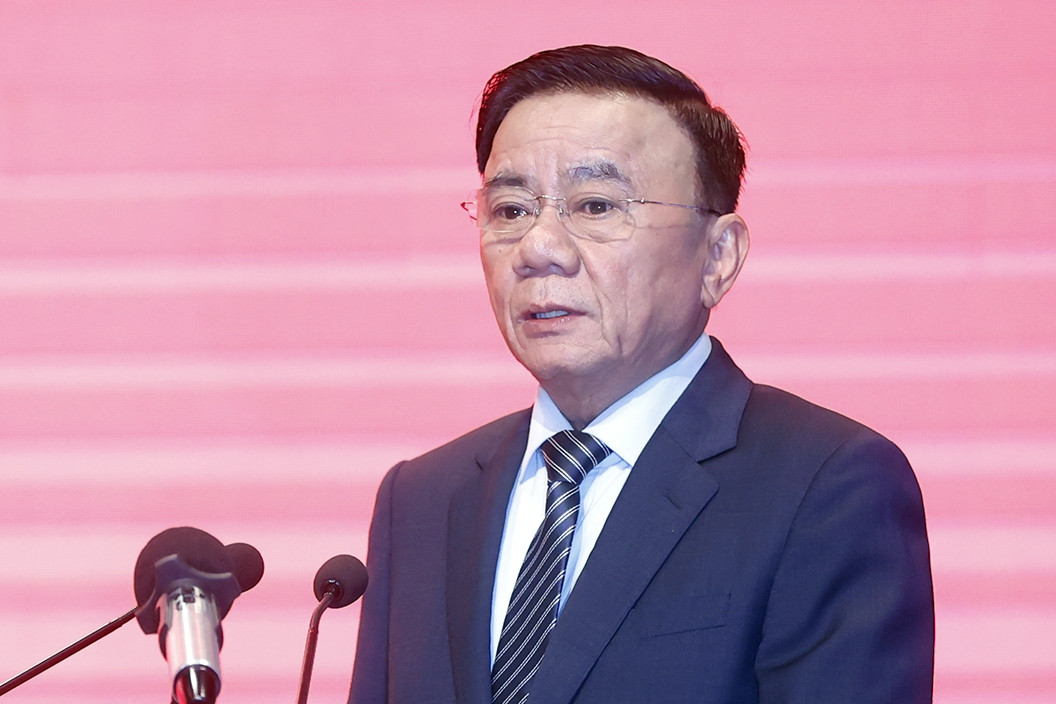
Thường trực Ban Bí thư Trần Cẩm Tú emphasised that people-to-people diplomacy is not a supplementary activity but one of the pillars of a comprehensive and modern foreign policy. He urged a deeper awareness across the political system of its importance and called for stronger leadership and state oversight of civil diplomacy work.
Officials outlined plans to streamline organisational structures and strengthen the professional capacity of personnel engaged in civil diplomacy. Training and recruitment will focus on political commitment, ethical standards, foreign language skills, technological literacy and expertise in priority sectors such as green development, innovation and digital transformation.
Better research and forecasting will be encouraged so specialists can contribute more effectively to policy formulation. At the same time, the Party leadership demanded a more active approach to rebutting hostile or misleading narratives about Vietnam abroad, protecting the country’s international reputation.
Looking ahead to 2026, Vietnamese authorities plan to diversify partnerships and press ahead with initiatives that connect citizens, experts and organisations overseas with domestic development objectives. By embedding people-to-people diplomacy within broader statecraft, Vietnam aims to expand its international space, attract resources for sustainable growth and strengthen resilience against external challenges.








