











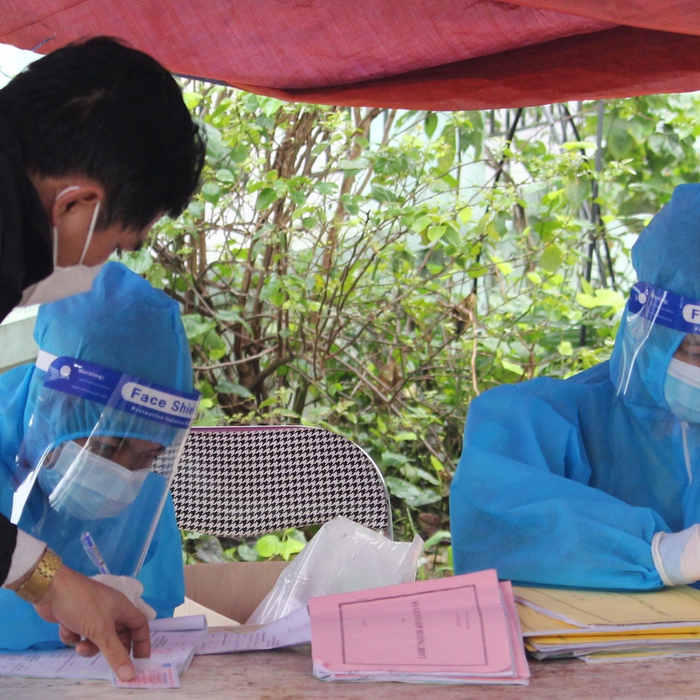
From 2026 Vietnam will reposition commune-level health stations as full-service primary healthcare providers under a new regulatory framework set out in Circular 43. The move gives these local facilities legal status, independent accounts and clearer lines of management while broadening their responsibilities beyond familiar tasks such as vaccination and basic first aid.
Vietnam primary healthcare reform
Circular 43 defines the commune health station as a public non-business health unit affiliated to the commune or ward People’s Committee. The regulation clarifies that stations have legal personhood, their own seals and bank accounts, and will be registered with the State Treasury and banks in line with existing financial rules. Operationally, stations remain accountable to the commune-level authorities for administration, while professional oversight and technical guidance come from provincial departments of health and other specialised units.
The regulation expands and systematises the role of the commune health station. Rather than serving solely as a vaccination point or a place to collect routine medicines, stations will deliver integrated services across prevention, diagnosis and ongoing health management. Responsibilities cover infectious disease surveillance and outbreak response, expanded immunisation, community health promotion, maternal and child care, services for the elderly and people with disabilities, population and family planning activities, food safety oversight, pharmacy management and medical-device supervision.

Notably, Circular 43 stipulates 22 groups of tasks and powers for commune stations. These range from classic public-health duties to primary clinical care, including initial diagnosis, emergency first aid, basic rehabilitation and the ability to contract with the national social health insurance scheme so that insured patients can receive care directly at the station.
The reform places particular emphasis on digital transformation. Stations are required to create and manage individual health records, roll out electronic health records and contribute to centralised health databases. This step-by-step modernization aims to enable more proactive, patient-centred management of chronic conditions and to improve continuity of care across levels of the health system.
Leadership and staffing are also addressed. Each station will have a director and deputy director appointed by the commune chairman. Minimum internal units include an administrative office, a population and child welfare section, a disease-prevention and food-safety unit, a clinical care department and a pharmacy and medical-device section. Where geography or access requires it, stations may establish satellite points to maintain basic services for remote populations.
The Ministry of Health requires provincial authorities to complete the legal transition of commune health stations into public non-business units by 31 December 2030. During the transition period provincial governments must ensure appropriate management models, staffing, medicines and equipment so that service continuity is maintained.
By formalising the expanded role of commune health stations, Vietnam seeks to shift its system from episodic treatment to continuous health management, strengthen primary care capacity and widen access to quality services across urban and rural communities. The new framework also provides a uniform legal foundation for future investments, workforce development and digital health initiatives at the grassroots level.
Key Takeaways:
- Vietnam implements a nationwide upgrade under Circular 43 to make commune health stations comprehensive primary care providers.
- The reform assigns 22 core functions from disease prevention and basic treatment to digital health records and social insurance contracting.
- Communes must convert stations into public non-business units by 31 December 2030, with transitional support from provincial authorities.
- The changes aim to shift care from reactive treatment to proactive health management and expand access in remote areas.








