











Key Takeaways:
- Visakhapatnam liquor sales 2025 reach ₹1,940.37 crore, a 1.74% rise on 2024.
- Sales volumes increased to 23.22 lakh IMFL cases and 17.23 lakh beer cases.
- Daily sales average about ₹6 crore with 45% digital transactions; enforcement cut belt-shop cases by 63%.

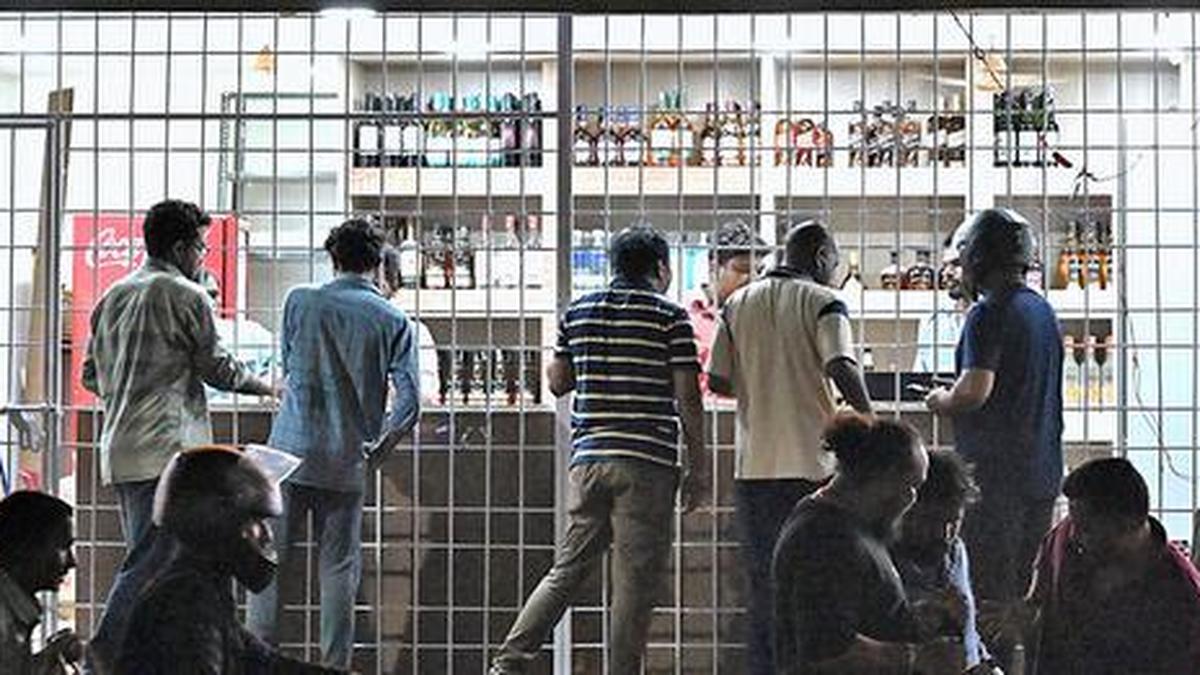
Visakhapatnam district generated ₹1,940.37 crore from liquor sales in 2025, the District Excise and Prohibition Officer R. Prasad said on Tuesday. The figure represents a 1.74 per cent increase over the previous year and reflects a rise in both bottled spirit (IMFL) and beer volumes.
Visakhapatnam liquor sales 2025: key figures and trends
According to the annual report read out by Mr Prasad at the VMRDA premises, sales of Indian-made foreign liquor (IMFL) rose to about 23.22 lakh cases in 2025 from 20.91 lakh cases in 2024. Beer sales also saw a substantial jump, climbing to roughly 17.23 lakh cases from 11.90 lakh cases the year before.
On average, the district recorded liquor sales of around ₹6 crore per day during 2025. Mr Prasad noted that nearly 45 per cent of transactions were conducted digitally, signalling a shift towards formal, traceable payment methods that can improve revenue collection and transparency.
Enforcement and market structure
Visakhapatnam’s licensed retail and hospitality network includes 159 wine shops, 75 bars, 16 star-rated hotels, five APTDC bars, seven clubs, two micro-breweries, two premium stores and 19 defence canteens. The department also stepped up enforcement against unauthorised outlets.
During the year, excise authorities registered cases against 442 ‘belt shops’—unauthorised liquor kiosks—seizing 883 kg of IMFL and 65 litres of beer. The crackdown led to the arrest of about 443 individuals. Mr Prasad said the number of belt-shop cases fell by 63 per cent in 2025 compared with 2024, attributing the decline to targeted enforcement and monitoring.
Implications for local revenue and regulation
The modest growth in excise receipts and the shift towards digital payments are likely to be welcomed by administrators focused on expanding legitimate commerce and improving tax compliance. Higher volumes of legal sales can increase excise collections while reducing incentives for illicit trade, provided enforcement remains consistent.
Officials will watch whether the uptick in legal sales sustains into 2026 and whether the reduced presence of unauthorised vendors translates into longer-term gains for licensed retailers and the hospitality sector. The rise in beer and IMFL cases suggests consumer demand strengthened across categories during the year.
Mr Prasad’s annual report provides a snapshot of the excise department’s operations and outcomes for 2025, combining revenue data, market composition and enforcement statistics. For local policymakers, the figures point to both opportunities and ongoing challenges: sustaining digital adoption, maintaining enforcement pressure on illegal sellers, and balancing public health considerations with fiscal objectives.
Image credit: ThGIM








