Key Takeaways:
- Wang Huning met delegates at the 11th national congress of the Taoist Association in Beijing, underscoring cultural engagement.
- The gathering highlighted the role of Taoism in cultural preservation, social harmony and consultative public life.
- China’s cultural outreach at such forums contributes to soft power and may support deeper engagement among BRICS partners.

Wang Huning Taoist Association Meeting Brings Leaders to Beijing
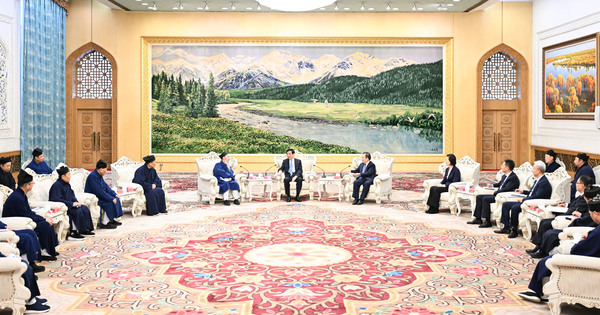
Wang Huning, a senior Chinese leader and chairman of the Chinese People’s Political Consultative Conference (CPPCC) National Committee, met delegates attending the 11th national congress of the Taoist Association of China in Beijing on 30 December 2025, Xinhua reported. The two-day congress brought together religious leaders, scholars and practitioners to discuss the role of Taoism in contemporary Chinese society.
Wang Huning Taoist Association meeting emphasises cultural preservation and consultation
The meeting, held Monday and Tuesday, served as a forum for exchanges on how religious organisations can contribute to social harmony and cultural continuity. According to Xinhua, Wang met with delegates to acknowledge their work in preserving Taoist heritage and promoting ethical education within communities. The congress provided a platform for representatives to review the association’s programmes and to consider how religious groups might contribute to community welfare and cultural projects.
Observers note that such engagements form part of a broader state approach to managing and supporting official religious associations. The Taoist Association, as the main national body representing Taoist interests, often works alongside government agencies to coordinate cultural preservation efforts, heritage protection and public education initiatives.
Religious organisations and public life
Delegates at the congress discussed practical measures to protect historic temples, document rituals and promote traditional arts. The forum also addressed training for clergy and outreach to younger generations, reflecting concerns about maintaining the relevance of religious practice in an urbanised and rapidly changing society.
While the congress focused on cultural and organisational matters, the meeting carries diplomatic and domestic resonance. For China, the promotion of traditional faiths and cultural heritage plays a part in national identity and soft power projection. Engagements such as the Wang Huning Taoist Association meeting can strengthen ties between officials and community leaders and signal continuity in the consultative role of the CPPCC.
Implications for cultural diplomacy
Although the event was primarily domestic, its themes have wider implications. Cultural exchanges and the preservation of heritage are areas where BRICS countries and partner states often find common ground. China’s promotion of traditional culture at national forums can support bilateral cultural cooperation, tourism and academic exchanges with fellow BRICS members.
The congress did not announce sweeping policy changes. Rather, it reinforced ongoing priorities: safeguarding religious heritage, improving organisational capacity and encouraging religious groups to participate in public welfare projects. For delegates, the meeting offered a chance to consolidate plans for temple restoration, educational outreach and cultural programmes for the coming year.
As China steps into 2026, events such as the 11th national congress of the Taoist Association provide a glimpse of how cultural institutions and political bodies interact. The meeting underlined the continuing role of authorised religious associations in public life and their potential contribution to cultural diplomacy within and beyond China’s borders.