











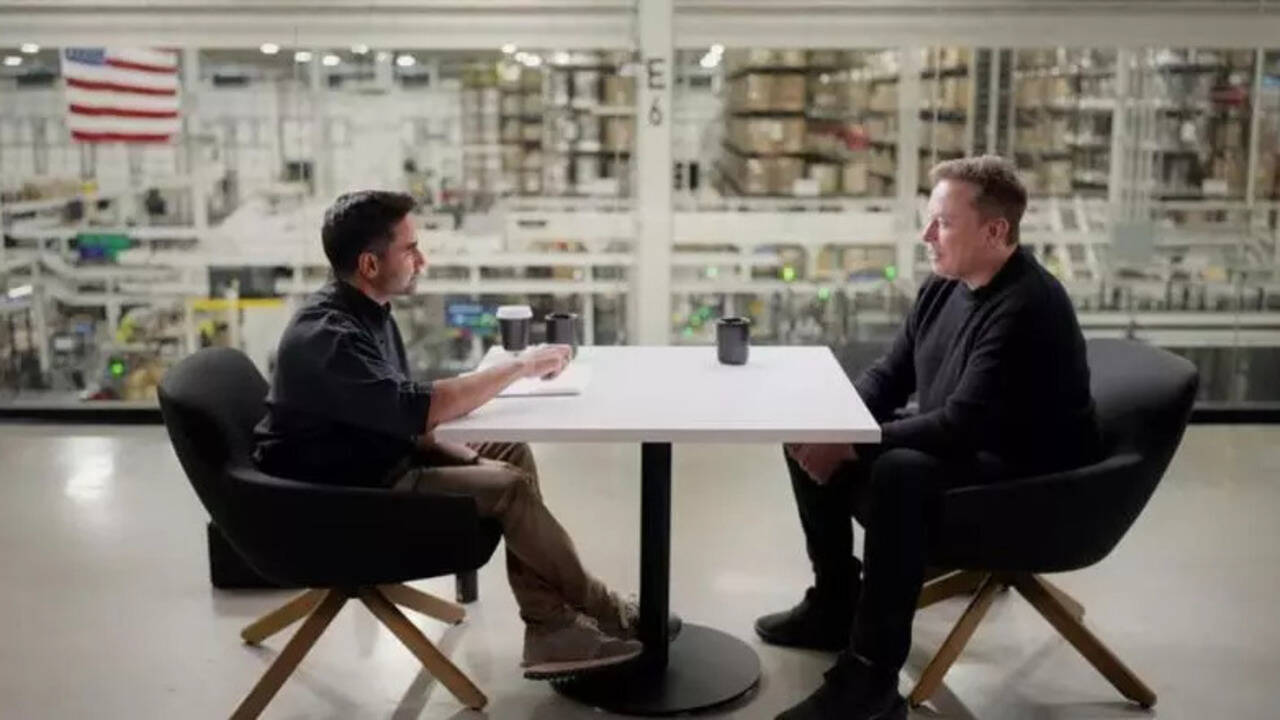
Elon Musk’s takeover of Twitter and its transformation into X has prompted fresh reflection in India about what was lost when the platform’s priorities changed. Long-time users in Mumbai say the site once helped them discover neighbours, make friends and exchange useful local information. Since the change of ownership and the move to engagement-driven algorithms, many of those networks have frayed.
Twitter’s decline in India
Early adopters recall a service that felt local. In 2009, Dr Piyul Mukherjee used a simple handle and could choose whether her posts reached people in her Powai neighbourhood, across Mumbai or beyond. That control helped tweets evolve into neighbourhood meet-ups and enduring friendships. For others, like photographer Netra Parekh, the platform eased the strain of relocating to a new city by turning online exchanges into real-world connections.
Wider utility emerged during crises. Writer-editor Peter Griffin points to the 2008 Mumbai attacks, when Twitter became a channel for rapid information and community response. Journalists, volunteers and residents used the site to share alerts and coordinate help. For a time, the platform was a reliable place to be informed and to form loose but meaningful social bonds.

The turning point, users say, came when algorithms began asking what would keep people engaged instead of who they wanted to hear from. Engagement optimisation reshaped feeds around positions and provocation rather than personalities and curiosity. Marketing consultant Harini Calamur describes a shift from curiosity to certainty, with outrage often outperforming quieter, constructive exchanges.
Quantitative research supports these impressions. Studies since the takeover in late 2022 show rises in hate speech and the amplification of polarising posts. An Italy National Research Council study published in February 2025 reported a substantial increase in racist and homophobic content, alongside higher like counts on such posts. For many users, the result has been a louder, more hostile environment.
The platform changes have practical effects. Paid verification, mass staff reductions and rapidly introduced features have altered how people interact and how content spreads. Some former regulars have quit, citing misinformation and harassment, while others keep a slim presence for news or to follow close contacts. Singer Vishal Dadlani has deleted the app entirely, urging others to safeguard their mental health.
Yet few have made a clean break. Older users retain a memory of Twitter as a space for discovery and informal civic exchange. Mukherjee believes there remains an audience for that experience, even if rebuilding networks on new platforms feels exhausting. The nostalgia speaks to a broader unease about the commodification of social needs, and a desire for platforms that prioritise human connection over metrics.
As X continues to evolve, the experience in India illustrates how structural design decisions can reshape online communities. Whether those bonds can be rebuilt, and on what terms, will determine if the platform ever regains the local intimacy that once made it a vital part of city life.
Key Takeaways:
- Twitter’s decline in India has left long-standing local communities feeling displaced as the platform shifted from neighbourhood discovery to engagement-driven feeds.
- Users in Mumbai recount how real-world friendships, neighbourhood meetups and disaster-response networks were undermined by algorithmic optimisation.
- Studies show a sharp rise in hate speech and amplification of polarising content since the platform became X, complicating efforts to rebuild safe digital spaces.








