











Key Takeaways:
- Minister Nyesom Wike criticised the PDP gathering in Ibadan, labelling it the ‘Amala convention’ and questioning its legitimacy.
- The event took place amid conflicting court orders and debates over the party chair’s tenure and caretaker arrangements.
- Key figures, including Wike and others, were expelled while rival factions also authorised expulsions, deepening party divisions.
- The PDP national convention has sharpened intra-party tensions in Nigeria ahead of critical political contests.

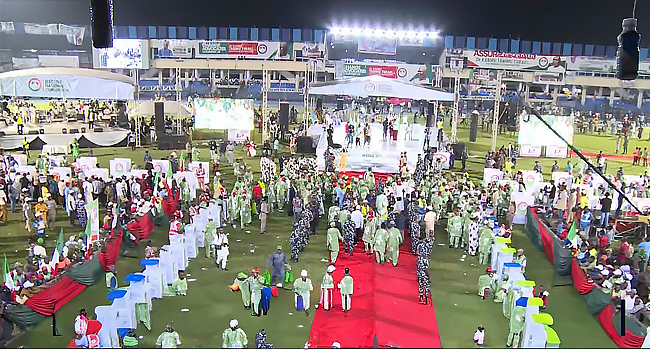
Minister of the Federal Capital Territory, Nyesom Wike, publicly criticised the Peoples Democratic Party’s national event held in Ibadan, branding the gathering the Amala convention and questioning its legitimacy amid legal disputes and internal wrangling.
PDP national convention draws court scrutiny and party disputes
The Ibadan convention, which took place on 15 November, was held against the backdrop of conflicting court orders. One ruling cleared the way for the meeting, while another barred it. Wike told reporters in Port Harcourt that the circumstances surrounding the gathering undermined its authority.
“There was the National Economic Council at the so-called Amala convention that was held in Ibadan,” Wike said. He added that the choice of location and timing suggested the meeting was more a social gathering than a legitimate national assembly and argued the party chair had already abdicated responsibilities.
Wike said the National Executive Council had responded to the legal uncertainty by appointing a caretaker committee to manage party affairs until a properly sanctioned convention could be held. He framed the move as compliance with court directives and a necessary step given the contested status of the event.
Expulsions deepen fractures within the PDP
The convention produced dramatic outcomes, including the expulsion of several high-profile members. A motion moved by chieftain Bode George led to the expulsion of 11 key figures, with delegates citing anti-party activities. The motion was seconded by the PDP chairman in Bauchi State and was adopted unanimously.
Those expelled reportedly include former Governor Ayodele Fayose and others aligned with Wike, while a rival group within the party authorised expulsions of state leaders such as Governor Seyi Makinde and Governor Bala Mohammed. The mutual expulsions indicate an intensifying power struggle rather than an organised effort at reconciliation.
Political analysts say the discord could complicate the party’s ability to present a united front in forthcoming elections. The opposing factions will need to resolve disputes over procedural legitimacy and leadership if the PDP is to avoid prolonged legal battles and public disaffection.
Implications for national politics and party cohesion
Observers note that the public exchange, including Wike’s remarks, highlights broader tensions within Nigeria’s political landscape. The episode underscores how internal party governance, court interventions and regional loyalties can combine to produce sharp disputes with national consequences.
For now, the PDP faces a choice between negotiated settlement and further contestation in the courts. The decisions that follow will determine whether the party can rebuild internal structures and present a consolidated platform, or whether continued fragmentation will weaken its electoral prospects.
Wike’s comments are likely to keep the dispute in public view and may prompt renewed efforts by stakeholders to broker compromise. Until that happens, questions about the validity and authority of the Ibadan gathering will remain a prominent feature of Nigerian political reporting.








