











Sydney celebrated New Year’s Eve under tight security as crowds gathered around the harbour to mark the close of a turbulent 2025. The city observed a minute of silence for victims of recent violence before nine tonnes of fireworks lit the sky, while police patrolled the foreshore in heightened numbers.
The year was marked by extremes. Record heat contributed to wildfires across Europe, severe droughts in parts of Africa and devastating floods in Southeast Asia. Those climate shocks compounded a year already destabilised by conflict and economic turbulence.
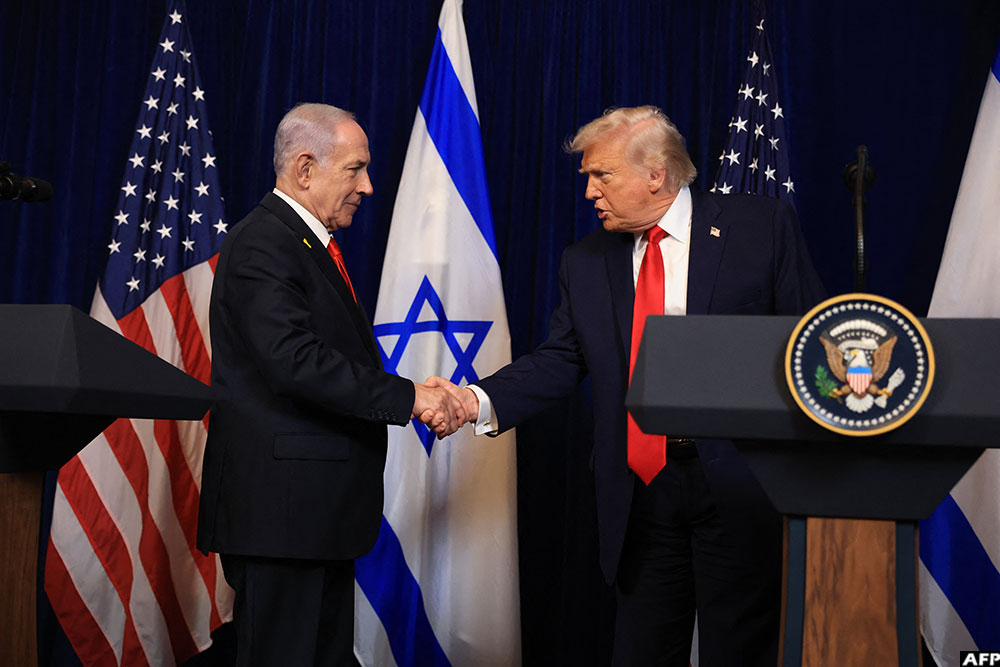
Politics and economics set the tone for much of 2025. Donald Trump returned to the White House in January and introduced a series of tariffs that rattled global markets. The shockwaves were felt from Mexico City to Buenos Aires, where small businesses reported falling incomes and rising uncertainty. At the same time, long-standing conflicts produced mixed outcomes: a fragile ceasefire between Israel and Hamas in October brought a brief respite to Gaza, even as accusations of violations persisted.

BRICS outlook 2026
For BRICS members and partners, the year closed with both risks and opportunities. China and Russia emphasised closer exchanges, with state media highlighting the personal rapport between President Xi Jinping and President Vladimir Putin. Those gestures matter for trade and strategic cooperation, and they will shape the BRICS outlook 2026 as nations weigh new alignments in a fragmented global order.
Brazil capped the calendar with one of the world’s largest public New Year celebrations on Copacabana Beach, while other BRICS economies grappled with the spill‑over effects of Western tariff policies and market volatility. Energy and commodity markets remained sensitive to geopolitical developments, keeping finance ministers and central banks on alert.
The war in Ukraine also continued to cast a long shadow. Diplomatic efforts surged in the closing months of 2025, but proposals for a temporary ceasefire lost traction as key actors set firm conditions. The unresolved conflict will remain a central test for global diplomacy and for BRICS countries that balance relations with both Moscow and Western capitals.
Technology and culture featured prominently as well. After years of rapid growth, artificial intelligence faced renewed scrutiny from regulators and investors concerned about overvaluation and oversight. Space agencies prepared for a renewed human return to lunar missions in 2026, and the sporting calendar promised major global gatherings, including a 48‑team World Cup and the Winter Olympics in Italy.
As the calendar turns, leaders from China and Russia exchanged New Year greetings, signalling diplomatic continuity. For many citizens around the world, economic anxiety and security concerns tempered celebrations. Policymakers in BRICS+ capitals will enter 2026 focused on managing economic fallout, deepening regional ties and navigating a crowded international agenda.
Public expectations are cautious. While global events from climate extremes to trade measures have exposed vulnerabilities, they have also driven discussions on cooperation and resilience. The early months of 2026 will be telling for whether those discussions translate into concrete policy and strengthened partnerships among BRICS members and their partners.
Key Takeaways:
- 2025 ended with political shocks, climate extremes and a fragile Gaza truce.
- Trump’s tariffs rattled markets and affected global trade, with implications for BRICS economies.
- China and Russia reinforced ties as leaders exchanged greetings, shaping the BRICS outlook 2026.
- Major sporting, space and AI developments promise a busy 2026 amid tighter security and regulation.








