











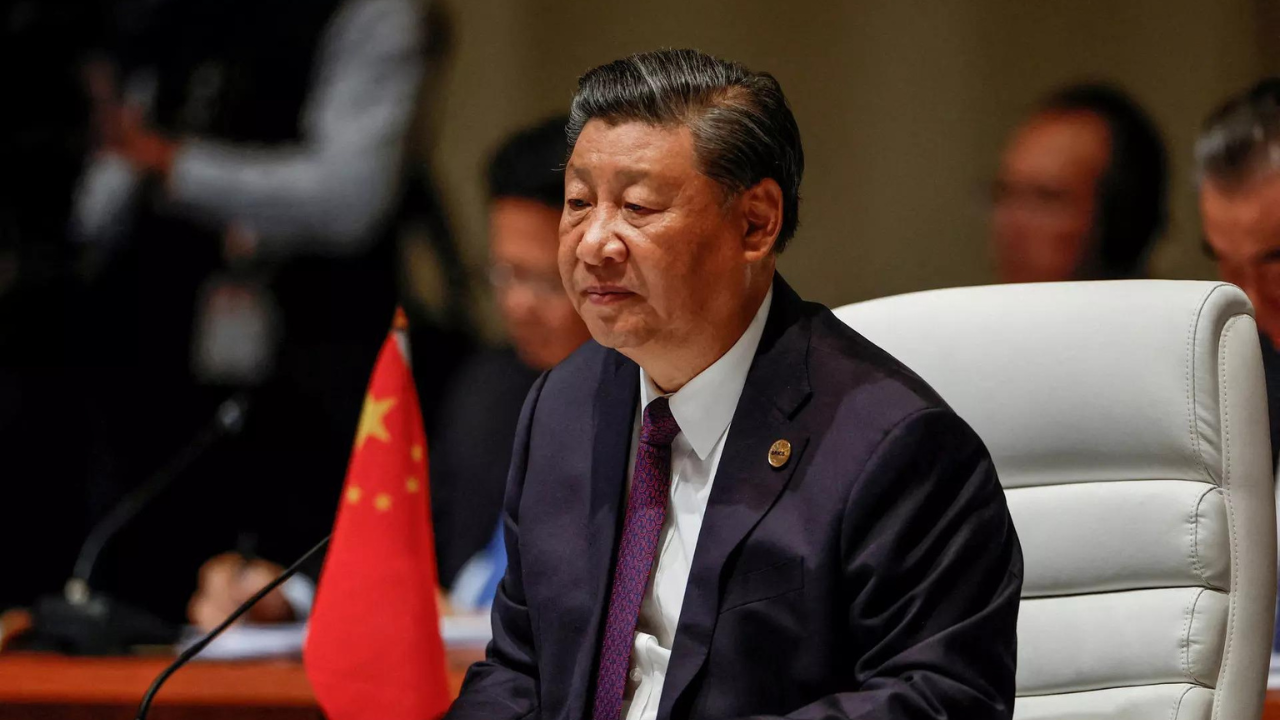
Chinese President Xi Jinping told a top political consultative body on New Year’s Eve that China’s economy is expected to grow “around five percent” in 2025, a level that would match the official target and mirror the expansion recorded in 2024.
Delivering a short address reported by state news agency Xinhua, Xi framed the year ahead as “very unusual” while saying authorities had faced pressure and achieved the main goals of economic and social development. He also highlighted that overall social stability was maintained and that an anti-corruption drive had been pursued.
The pledge to reach around five percent comes as Beijing grapples with a number of structural and cyclical challenges. Consumer confidence has lagged since the pandemic, the property sector continues to suffer from a persistent debt crisis, and industrial overcapacity has weighed on manufacturing margins. Tensions with the United States have also complicated trade prospects.

China 2025 growth target and policy tools
Officials will likely rely on a mix of fiscal and monetary measures to hit the China 2025 growth target, while targeting stability in employment and social services. Analysts expect Beijing to employ targeted fiscal support for local governments and strategic sectors, measured infrastructure spending, and a calibrated monetary stance that supports credit for productive investment while limiting broader financial risk.
Recent data offered policymakers a modest boost. December factory activity edged back into expansionary territory, snapping an eight-month contraction. Though a single month of improvement does not resolve longer-term weaknesses, it provides room for cautious optimism that demand is stabilising in key industrial hubs.
Reaching a five percent growth rate will not be without difficulty. The property market’s debt overhang remains a drag on investment and household wealth, and a recovery in consumer spending will be essential if growth is to be sustained. Beijing has repeatedly emphasised structural reforms alongside short-term stabilisation, signalling that policy action will aim to balance growth with financial and social stability.
For regional and global markets, a steady Chinese expansion matters. As the world’s second-largest economy, China is a major source of demand for commodities, intermediate goods and services. A growth outcome around five percent would help underpin commodity prices and provide support for trading partners, including BRICS and partner states that have deepening economic links with Beijing.
Beijing is also expected to announce an official growth target for 2026 at a major political meeting in early March. Observers will watch whether authorities maintain a similar numerical goal or adjust policy priorities to favour higher-quality, more sustainable growth over headline speed.
In short, Xi’s forecast of around five percent growth in 2025 sends a message of cautious continuity. Policymakers face a delicate task: to shore up demand and stabilise key sectors without reigniting financial vulnerabilities. Market participants and international partners will monitor upcoming policy measures and macro data to judge whether China can translate the forecast into durable momentum.
Key Takeaways:
- China expects around five percent GDP growth in 2025, meeting the official target and matching 2024.
- Persistent property sector debt, weak consumer sentiment and trade tensions remain headwinds.
- December factory activity moved back into expansion, offering a positive signal for policymakers.
- China 2025 growth target will shape Beijing’s policy mix and influence regional markets.








