











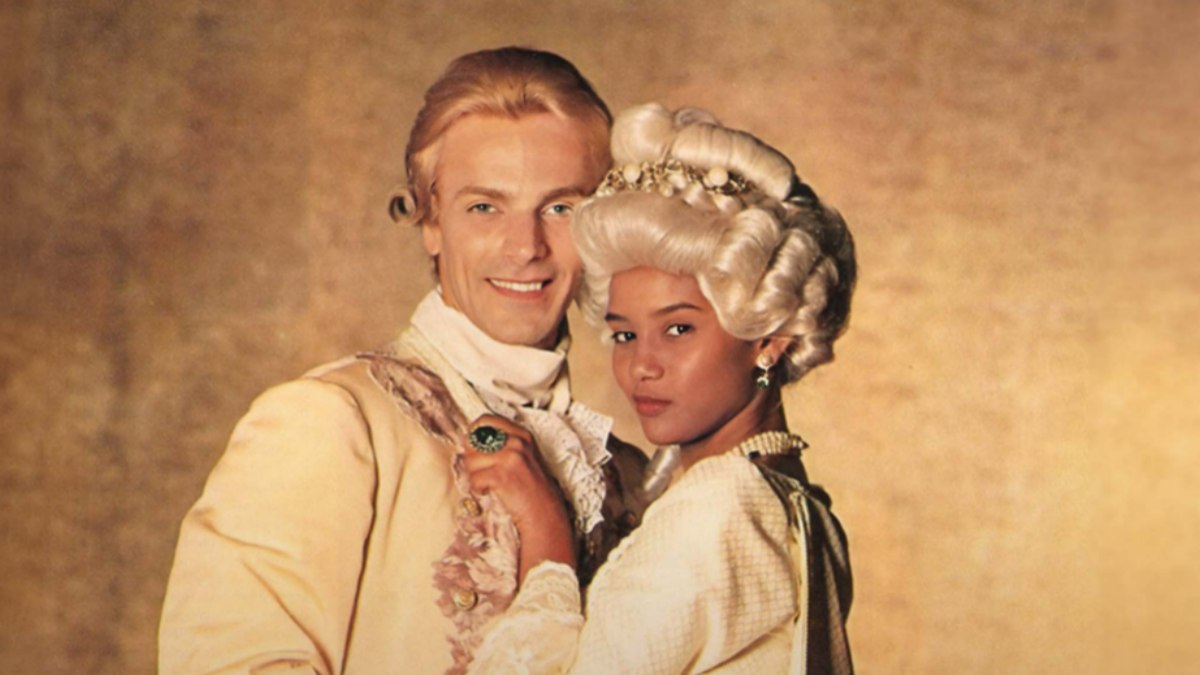
When Xica da Silva premiered on TV Manchete on 17 September 1996 it quickly became one of the most talked-about telenovelas of the decade. Written under a pseudonym and surrounded by intrigue, the series established itself as both a ratings success and a cultural milestone, ultimately extending its life beyond Manchete through a successful reprise on SBT.
Xica da Silva Brazil and its impact
The programme opened with a mystery: the script was credited to “Adamo Rangel” while the true author, Walcyr Carrasco, was contracted to another network and could not publicly sign the work. That secrecy only heightened interest among viewers and the cast as the text’s quality suggested an established talent behind it. Under the direction of Walter Avancini, the production aimed for a rich period atmosphere, blending fidelity to historical detail with moments of heightened drama.
Taís Araujo, then 18, was cast as the title character after a nationwide search revealed the actress within Manchete’s own ranks. Her performance propelled her to national prominence, and the role of Xica — an enslaved woman who rises to become a figure of power in 18th-century Minas Gerais — resonated with audiences. Zezé Motta, who had played similar roles on film in the 1970s, returned to the story as Xica’s mother.

On Manchete the telenovela averaged 18 audience points, peaking at 22 and offering a rare moment of commercial relief for the struggling broadcaster. The series rode a wave that began with Pantanal and showed how regional networks could challenge television’s dominant players through ambitious drama and vivid storytelling.
The narrative mixed historical elements with fictionalised episodes designed to hold viewers’ attention. Scenes of graphic punishment and episodes involving witchcraft and revenge were widely discussed and sometimes criticised, but they also contributed to the series’ notoriety and public conversation.
Following Manchete’s bankruptcy, SBT acquired parts of its archive in a strategic move to strengthen evening viewing and compete with rival networks. Xica da Silva proved a valuable asset: the reprise secured stable ratings for SBT in the prime-time slot, reaffirming the show’s commercial appeal and international marketability as it was exported to several countries.
Beyond ratings, the production is remembered for its technical ambition. Avancini described the project as a major production for its time, emphasising period costumes, sets and a scale of storytelling that sought to match the standards of larger networks. The telenovela’s success offered a case study in how historical drama and strong casting can deliver both artistic recognition and audience loyalty.
Today Xica da Silva is part of the conversation about 1990s Brazilian television: an example of creative risk-taking that combined controversy, strong performances and commercial success. Its trajectory from a mysterious premiere to international export illustrates how a local production can achieve lasting cultural impact.
Key Takeaways:
- Focus keyword: Xica da Silva Brazil — the 1996 Manchete telenovela starred Taís Araujo and became a national hit.
- The series combined historical detail and controversy, boosting Rede Manchete’s ratings and later delivering strong results for SBT.
- Xica da Silva Brazil achieved international sales and remains a reference in Brazilian television history.








