











Key Takeaways:
- New Year temperatures in Russia will vary sharply, with Yakutsk forecast at −42°C and Sochi around +3°C.
- Among cities with more than one million inhabitants, Novosibirsk and Krasnoyarsk are expected to be mild (about −1°C); Yekaterinburg and Chelyabinsk will be coldest (−15°C and −14°C).
- Moscow region will face a severe cold snap on 2 January, with central Moscow at −14 to −16°C and some suburbs falling to −19°C.

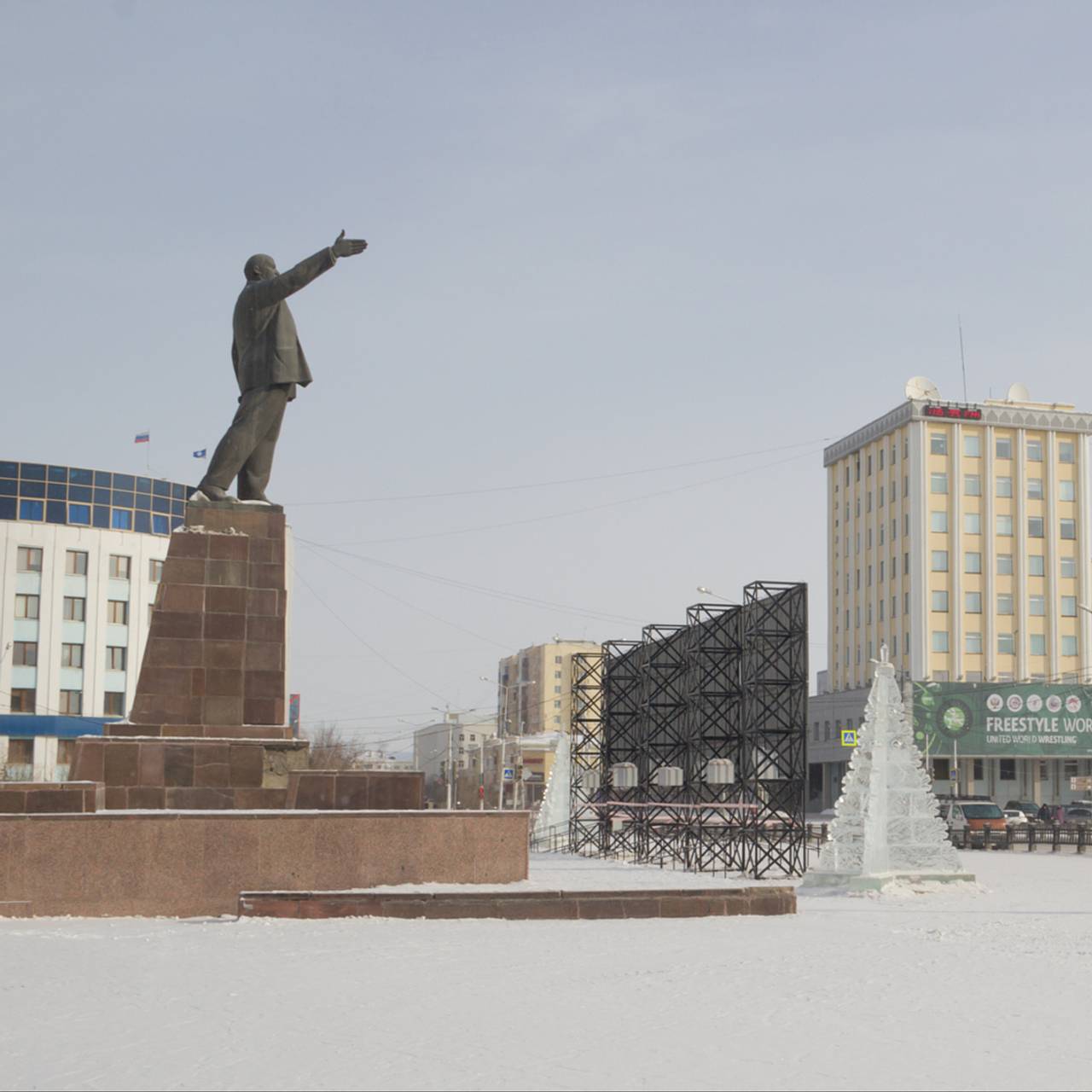
Russia will see a broad range of temperatures on New Year’s night, with the far eastern city of Yakutsk expected to be the coldest point in the country at around −42°C, according to the Laboratory of Solar Astronomy at the Space Research Institute of the Russian Academy of Sciences (IKI RAN), which posted the forecast on its Telegram channel.
New Year temperatures in Russia
The national forecast shows stark regional contrasts. While Yakutsk prepares for extreme cold, the Black Sea resort of Sochi is expected to be the warmest location on the night, with temperatures near +3°C. Across much of the country the thermometer will sit between −5°C and −15°C.
Among Russia’s 16 cities with populations above one million, Novosibirsk and Krasnoyarsk are likely to record the mildest conditions at the hour of the midnight chimes, with temperatures near −1°C after a mass of warmer air arrives from the west. Conversely, Yekaterinburg and Chelyabinsk are forecast to be the coldest of the million-plus cities, at roughly −15°C and −14°C respectively.
The forecast issued by IKI RAN reflects the influence of large-scale air masses and local geography. Yakutsk, lying deep within eastern Siberia, routinely experiences some of the lowest winter temperatures in the Northern Hemisphere. Coastal and southern areas such as Sochi benefit from maritime and lowland influences that keep winter nights comparatively mild.
Moscow and its surrounding region are set to face a particularly chilly period during the New Year holidays. Forecasters warned that the night of 2 January will be the coldest of the holiday stretch for Moscow’s residents, with central temperatures expected to remain between −14°C and −16°C at night. Some parts of the Moscow region could see readings as low as −19°C.
Authorities typically advise residents to prepare for such temperature swings by checking local forecasts, ensuring heating systems are functioning and taking precautions when travelling. In regions where temperatures plunge well below freezing, communities often contend with increased demand for power and transport disruptions due to icy conditions.
Weather services reiterate that local variations can be significant: urban heat effects, inland basins and altitude all modulate temperatures, so residents should monitor updates for their specific locality. The IKI RAN report provides an overview, but municipal meteorological services may publish more detailed, locality-based guidance in the hours leading up to New Year’s Eve.
In summary, Russians can expect a New Year that ranges from relatively mild in southern coastal areas to severe cold in the eastern interior. The dramatic differences underline the scale of the country and the varying winter climates experienced from west to east.








