











Key Takeaways:
- Russian Foreign Ministry spokesperson Maria Zakharova urged restraint and called for de-escalation around Iran amid rising tensions.
- Zakharova warned against repeating the June 2025 incidents that undermined IAEA verification activities in Iran.
- The remarks follow US threats of strikes and Iran’s warning of a firm response to any aggression.
- Russia’s appeal frames diplomatic engagement as the preferred path to prevent wider regional conflict.

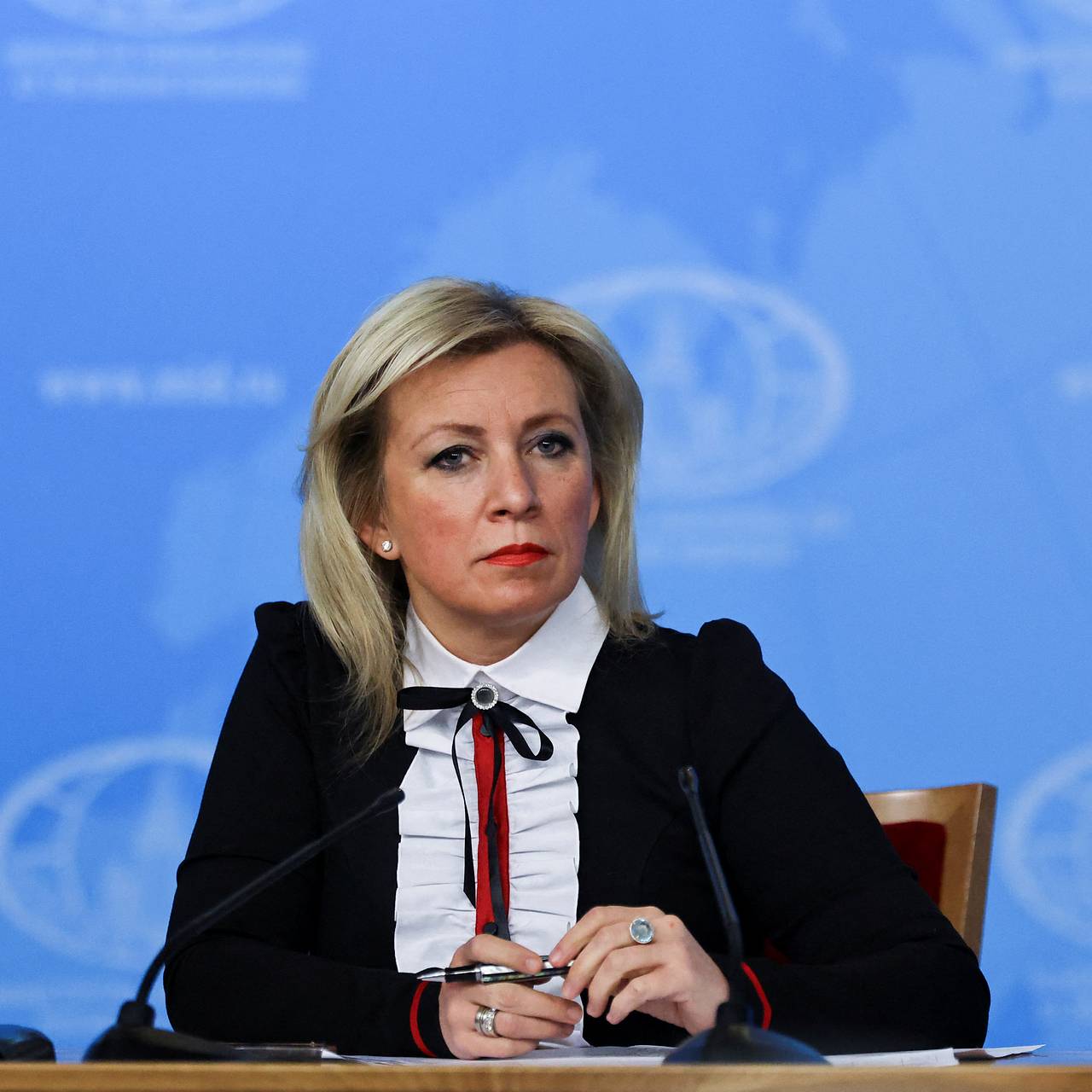
Russian Foreign Ministry spokeswoman Maria Zakharova has called on “hot heads” to refrain from escalating tensions around Iran, urging a measured diplomatic approach to an increasingly fraught regional situation. Her remarks, published on the ministry’s website, stressed the need to avoid further strains over Tehran’s nuclear programme and to preserve international verification mechanisms.
De-escalation around Iran gains urgency
Zakharova specifically warned against repeating what she described as the “fatal mistakes” of June 2025, which she said led to a significant disruption of the International Atomic Energy Agency’s (IAEA) verification activities in Iran. The Russian statement framed restraint as essential to maintaining the integrity of inspections that underpin global non-proliferation efforts.
The appeal comes amid heightened rhetoric from Washington. Former US President Donald Trump issued a warning that the United States would consider new strikes if Iran continued to advance its missile and nuclear programmes. Tehran responded through a senior adviser to its supreme leader, Ali Shamkhani, who cautioned that any aggression against the Islamic Republic would be met with a firm response.
Russia’s intervention highlights the diplomatic tightrope facing external powers. By calling for de-escalation around Iran, Zakharova positioned Moscow as an advocate for restraint and for preserving multilateral oversight. The statement did not outline specific diplomatic initiatives but underscored Moscow’s concern about actions that could further erode IAEA access and verification.
Analysts say the June 2025 episode remains a reference point for regional actors. At that time, a series of events saw restrictions placed on IAEA inspectors and interruptions to routine monitoring, raising international alarm about transparency and compliance. Zakharova’s comments suggest Moscow sees renewed value in avoiding a repeat of those disruptions, which could complicate any diplomatic efforts to resolve outstanding issues.
Observers note that calls for restraint from influential states can reduce the immediate risk of miscalculation. However, they also point out that rhetoric alone is unlikely to resolve the underlying disputes over Iran’s nuclear activities and missile development. Concrete steps, such as renewed dialogue, confidence‑building measures and clearer channels for information-sharing with the IAEA, are required to stabilise the situation.
For its part, Tehran has repeatedly maintained that its nuclear programme is peaceful while also asserting its right to develop missile capabilities. The Trump administration’s warnings risk hardening positions on both sides if they are interpreted as a credible threat of military action. Moscow’s statement aims to shift attention back to diplomatic avenues, emphasising the international community’s interest in keeping verification intact.
As regional tensions persist, the international community will be watching for any practical follow-up to Zakharova’s call. Key questions include whether Moscow will engage mediators, propose concrete mechanisms to protect IAEA access, or seek to convene multilateral talks aimed at lowering the temperature. Until such measures are evident, the risk of further brinkmanship is likely to remain a central concern for policymakers in Europe, the Middle East and beyond.
Zakharova’s appeal came amid a rapid exchange of statements between Washington and Tehran, underscoring how fragile the current situation is and how quickly rhetoric can intensify. Her call for de-escalation around Iran reflects a broader push by some capitals to prioritise diplomacy over confrontation as the principal means to avert a wider crisis.








