











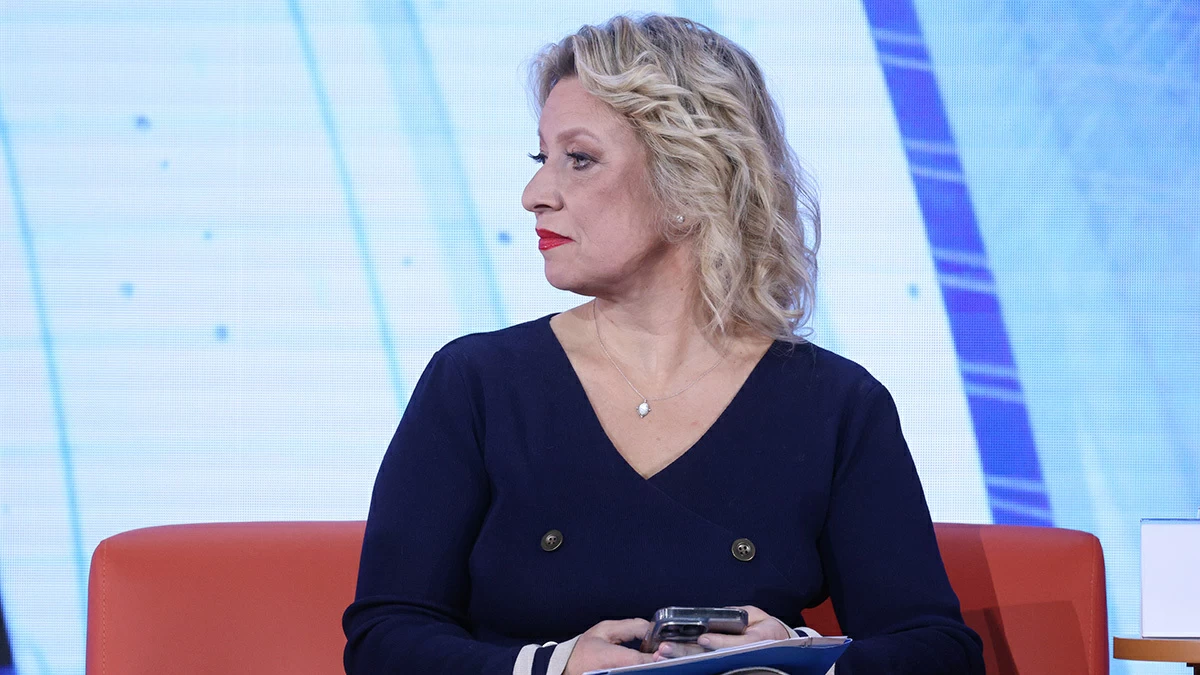
Maria Zakharova, the spokeswoman for the Russian Foreign Ministry, said she found the comments of some Western leaders most surprising in the outgoing year and singled out Finnish politicians for particular criticism. In remarks that are likely to further strain relations between Moscow and Helsinki, she said she was struck not only by what she described as their stupidity but also by an ignorance of historical facts.
Zakharova criticises Finnish politicians
Zakharova spoke to reporters when asked which statements by Western figures had shocked her most during the year. Her choice of Finland reflects an escalation in rhetoric that has accompanied a broader cooling of ties between Russia and several Nordic states since the conflict in Ukraine and Finland’s NATO accession in 2023. The spokeswoman’s comments did not identify individual Finnish politicians or specific remarks, but they underline Moscow’s frustration with what it sees as hostile policies from neighbouring states.
Diplomatic exchanges between Moscow and Helsinki have become more fraught in recent years. Finland’s decision to join NATO ended a long period of military non-alignment and prompted a sharp response from Russia, which has voiced concerns about the alliance’s expansion. Zakharova’s public criticism could be read as part of a wider strategy of pushing back against political narratives in the West that Moscow regards as one-sided or historically inaccurate.

Analysts say that public statements of this kind serve several purposes. They can consolidate domestic political support by projecting firmness abroad, they can signal to foreign audiences that Russia rejects certain interpretations of history and security, and they can test the diplomatic temperature without resorting to more aggressive measures. At the same time, such rhetoric may reduce space for calmer, issue-based dialogue on practical matters such as trade, cross-border cooperation and regional security.
Finnish officials have made a number of pointed statements on security and policy since joining NATO. Helsinki’s shift in posture has included greater cooperation with Western partners and stronger language about the security risks it perceives. Russian criticism of those moves has been consistent, with Moscow frequently warning that further integration of Nordic countries into Western defence structures undermines regional stability.
Observers caution against reading Zakharova’s remarks as a signal of imminent escalation. While public rhetoric has grown sharper, the underlying dynamics of diplomacy often remain pragmatic. Both capitals continue to manage bilateral issues where cooperation is still necessary, including environmental concerns and cross-border trade. Yet the tone of official discourse matters, and mutual accusations about historical interpretation risk hardening positions on both sides.
For now, the exchange highlights the continuing role of historical memory in contemporary diplomacy. Disputes over how history is presented and understood can inflame current tensions, particularly in regions with complicated pasts. Whether Zakharova’s comments prompt a response from Helsinki or are absorbed into the broader pattern of diplomatic disagreement remains to be seen, but they provide a reminder that rhetoric can shape the diplomatic environment as much as formal policy moves.
As the new year begins, diplomats in Moscow and Helsinki will be watching how public commentary evolves and whether it gives way to more constructive engagement or further polarisation.
Key Takeaways:
- Russian Foreign Ministry spokesperson Maria Zakharova said she was most shocked this year by statements from Finnish politicians.
- Zakharova criticises Finnish politicians for what she called both stupidity and a lack of knowledge about historical facts.
- The remarks reflect heightened tension between Moscow and Helsinki following Finland’s NATO accession and strained bilateral relations.








