











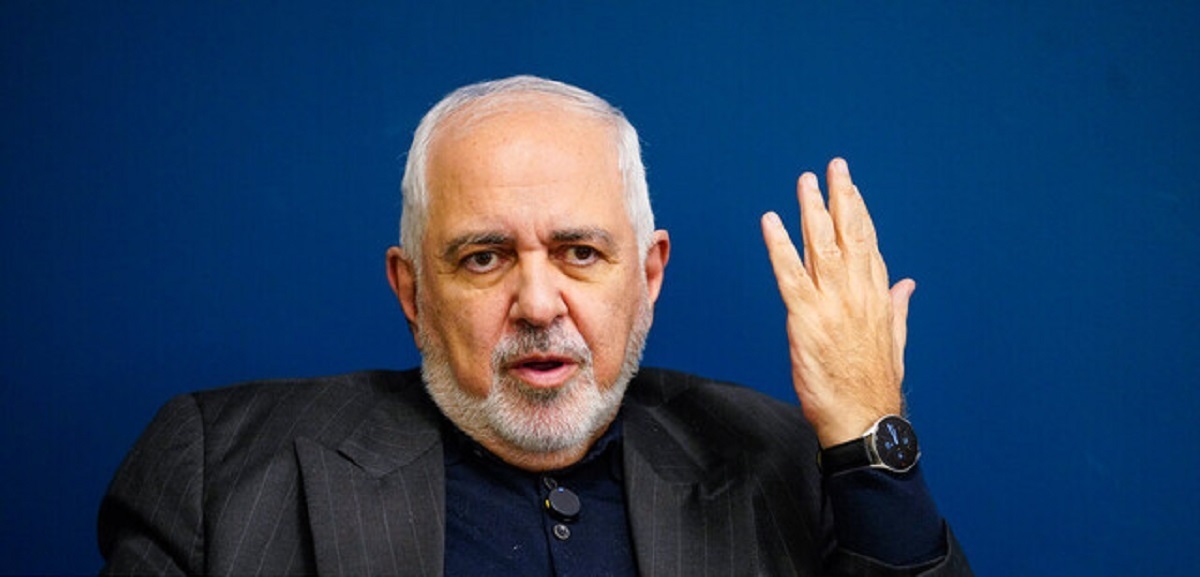
Mohammad Javad Zarif, Iran’s former foreign minister, has said that a policy of coercion by the United States will not force Tehran to change its behaviour. Zarif made the remarks in an interview with Al Jazeera at the Doha Forum and reposted an excerpt on his X account, a statement that coincided with public comments by then US President Donald Trump regarding protests in Iran.
Zarif says Trump’s coercion won’t work on Iran
Speaking to the Qatari broadcaster, Zarif argued that repeated pressure tactics framed as diplomacy are ineffective. He accused Israel of undermining opportunities for regional peace and reconciliation between Iran and the United States. Zarif said the cycle of intimidation and pressure could be broken only if the United States pursued what he characterised as its own interests rather than those of Israel.
“Israel has destroyed every opportunity for peace in the region and for reconciliation between Iran and the United States,” Zarif told Al Jazeera. “It is also clear that the policy of intimidation and pressure that is presented as diplomacy will never work on Iran. Exiting this cycle is possible, but only if the United States decides to follow its own interests, not Israel’s.”

The interview came as US commentary on demonstrations inside Iran intensified. Iranian officials including parliament speaker Mohammad Bagher Ghalibaf, former speaker Ali Larijani, and foreign ministry spokesman Esmail Baghaei publicly responded to those US statements. Tehran typically views external commentary on domestic unrest as interference in its internal affairs.
Analysts say Zarif’s message is consistent with Iran’s long-standing position that coercive measures and slogans of pressure are counterproductive. Supporters of Tehran’s stance argue that sanctions and public threats harden domestic resolve and complicate diplomatic engagement. Critics counter that the lack of diplomatic progress reflects deeper political differences that coercion alone cannot resolve.
Observers also noted the wider geopolitical context. Zarif’s emphasis on Israel’s role in thwarting rapprochement highlights a persistent friction point in regional diplomacy. The former foreign minister has frequently pointed to third party influence as an obstacle to direct talks between Washington and Tehran. His comments at the Doha Forum reaffirmed that line while signalling Tehran’s willingness to hold out for a different diplomatic approach.
Responses from Iranian officials reiterated a firm stance. Mohammad Bagher Ghalibaf and Ali Larijani, both senior figures in Iran’s political establishment, issued statements condemning what they called foreign interference. The Iranian foreign ministry spokesman also criticised external commentary and defended the government’s handling of the protests.
For now, Zarif’s remarks are likely to reinforce existing positions on both sides rather than open an immediate path to talks. Diplomats say any shift would require clear signals from Washington that it intends to engage on issues of bilateral concern and to separate its policy decisions from the influence of regional allies. Until then, Tehran appears set to resist any pressure strategy that it deems coercive.

Key Takeaways:
- Zarif says Trump’s coercion won’t work on Iran, arguing pressure cannot compel Tehran to capitulate.
- The remarks were made during an interview with Al Jazeera at the Doha Forum and posted on X.
- Zarif and other Iranian officials criticised recent US comments on domestic protests, linking US policy to Israeli interests.








