











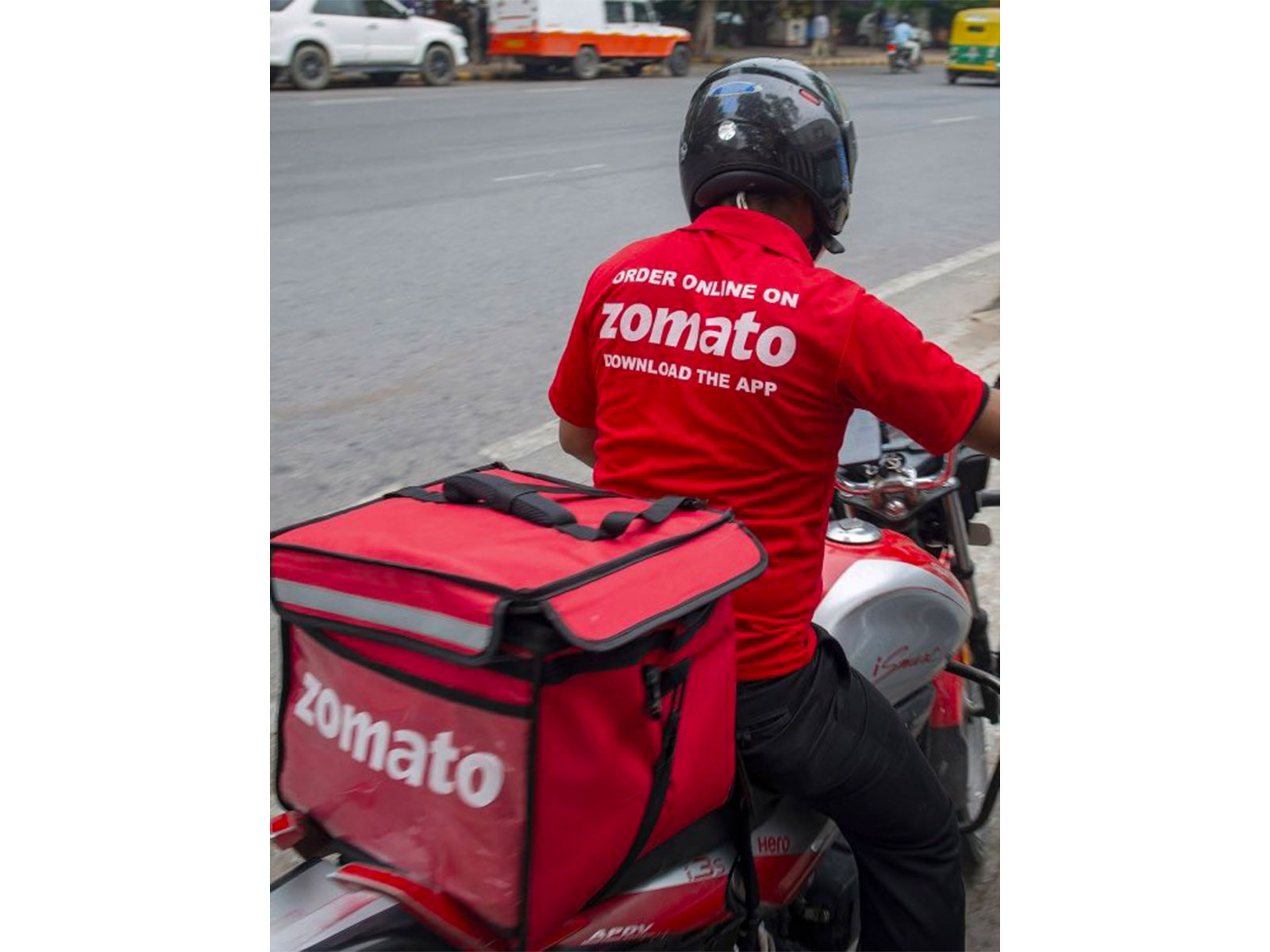
Zomato said average hourly earnings for its delivery partners rose by 10.9 per cent year‑on‑year in 2025, reaching Rs 102 compared with Rs 92 in 2024, figures shared publicly by founder Deepinder Goyal show. The company said these figures exclude tips and reflect logged‑in hours, including waiting time.
Zomato delivery partner earnings and working patterns
Goyal set out a worked example to illustrate how the gig model translates into monthly income. If a partner works ten hours a day for 26 days in a month, gross earnings would amount to about Rs 26,500. After accounting for roughly 20 per cent in fuel and maintenance costs, net earnings come down to around Rs 21,000. Zomato said the calculations are based on total logged‑in hours rather than deliveries completed.
The company described typical working patterns as intermittent rather than full time. In 2025 the average delivery partner on Zomato worked 38 days during the year, averaging seven hours on each working day. Only 2.3 per cent of partners worked more than 250 days in the year, the company added.

Goyal defended the gig model’s flexibility and warned against imposing full‑time employment obligations on roles that are primarily part‑time and have low barriers to entry. He argued that the platform provides a reliable secondary income and that enforcing benefits such as guaranteed salaries or provident fund contributions would be inconsistent with how the model operates.
Safety and quick‑commerce operations were also addressed. Goyal said 10‑minute delivery promises do not force riders to drive unsafely because delivery partners are not shown customer‑facing countdown timers. Rather, the short delivery windows are a function of store proximity. The company noted average distances and speeds to support that point: Blinkit orders averaged 2.03 km per order with average driving speeds of 16 km/h, while Zomato’s average recorded speed was 21 km/h in 2025.
On worker protection, Zomato and Blinkit together reportedly spent more than Rs 100 crore on insurance premiums for partners in 2025. Coverage includes accident insurance up to Rs 10 lakh, medical cover of Rs 1 lakh and loss of pay insurance. The platform also offers two paid rest days per month for women, assistance with income tax filings for 95,000 partners and National Pension Scheme enrolment for 54,000 workers.
The comments come amid heightened public debate after a one‑day strike call by some gig workers. Prominent investor Sanjeev Bikhchandani praised Goyal’s post and drew attention to critics who, he suggested, spoke from positions of privilege. Critics including Aam Aadmi Party MP Raghav Chadha have called for restrictions on ultra‑fast delivery apps, arguing that they pressure workers and primarily benefit companies.
Goyal said the gig economy has made work visible in new ways by bringing delivery partners into direct contact with customers, a change he said has brought discomfort as inequalities become more apparent. He reiterated that the model is intended to offer flexible, stop‑gap earning opportunities rather than long‑term, fully salaried roles.
The debate is likely to continue as regulators, platforms and workers weigh the trade‑offs between flexibility, income stability and safety in India’s expanding app‑based delivery sector.
Key Takeaways:
- Zomato delivery partner earnings increased 10.9% year‑on‑year in 2025 to an average of Rs 102 per hour, excluding tips.
- Founder Deepinder Goyal outlined gross and net monthly pay, plus safety measures and insurance spend exceeding Rs 100 crore.
- Goyal emphasised flexibility as the core of the gig model while critics call for regulatory change over fast‑commerce safety.








